Dry Mouth and Hydration: The Overlooked Link to Oral Health
Saliva is your mouth's built-in defense system, and when it runs low, cavities, bad breath, and gum trouble tend to follow. Here's what causes dry mouth and how to keep saliva flowing.

If your mouth feels sticky by mid-morning, you wake up reaching for water in the middle of the night, or your lips crack no matter how much lip balm you use, you might be dealing with something more specific than "just being thirsty." Dentists have a name for it: xerostomia (pronounced zeer-oh-STOH-mee-uh), the clinical term for chronic dry mouth. It sounds like a minor annoyance, but saliva does so much quiet work in your mouth that losing it changes your risk for cavities, gum disease, and bad breath almost overnight.
Most people never think about saliva until it's gone. That's worth fixing, because the connection between hydration and oral health is one of the most overlooked parts of a dental care routine.
What saliva actually does for your teeth
Saliva isn't just water. It's a mix of water, enzymes, electrolytes, and minerals like calcium and phosphate, and each part plays a role.
- Neutralizes acid. Every time you eat, bacteria in plaque produce acid that softens enamel. Saliva buffers that acid and brings your mouth back to a safe pH.
- Washes away debris. It physically rinses food particles and loose bacteria off your teeth and gums between brushings.
- Delivers minerals for repair. Calcium and phosphate in saliva redeposit into weakened enamel, a process called remineralization. This is your mouth's natural repair system working around the clock.
- Controls bacteria. Saliva contains antibacterial compounds that keep the bacterial population in your mouth from growing unchecked.
- Supports basic function. Chewing, swallowing, and even tasting food properly all depend on having enough saliva to work with.
When saliva production drops, all five of those jobs slow down or stop. That's why dry mouth doesn't just feel unpleasant, it actively raises your risk of dental disease.
How to tell if you have dry mouth (and not just thirst)
Everyone gets a dry mouth occasionally, after a long meeting where you talked too much, or first thing in the morning. Chronic dry mouth is different: it's persistent and it comes with a cluster of symptoms.
Common signs include:
- A sticky or cottony feeling in the mouth that doesn't go away after a glass of water
- Needing to sip water constantly, including at night
- Bad breath that doesn't improve with brushing
- Cracked lips or sores at the corners of the mouth
- Difficulty swallowing dry foods like crackers or bread without water
- A rough, dry-feeling tongue
- Getting more cavities than you used to, especially near the gumline
- A burning sensation in the mouth
If several of these sound familiar and they've been going on for weeks rather than days, it's worth bringing up with a dentist rather than assuming it's normal.
What causes dry mouth
There isn't one single cause, but some are far more common than others.
Medication is the number one cause. Hundreds of prescription and over-the-counter drugs list dry mouth as a side effect, including antihistamines, antidepressants, blood pressure medications, decongestants, and many pain medications. If you started a new medication around the same time your mouth started feeling dry, that's usually not a coincidence.
Dehydration. Simply not drinking enough fluid during the day reduces how much saliva your glands can produce. This is easy to overlook if most of your fluid intake is coffee or soda rather than water.
Mouth breathing. Whether from a stuffy nose, allergies, or a habit of sleeping with your mouth open, breathing through your mouth dries out the oral tissue directly and is a very common reason people wake up with a parched mouth.
Caffeine, alcohol, and tobacco. All three have a drying effect on the mouth. Alcohol-based mouthwashes can make the problem worse rather than better, which surprises a lot of people who use them thinking they're helping.
Aging. Saliva production naturally slows somewhat with age, and older adults are also more likely to be on medications that list dry mouth as a side effect, so the two factors often stack.
Certain health conditions. Diabetes, autoimmune conditions like Sjogren's syndrome, and head or neck radiation treatment can all significantly reduce saliva flow. These cases usually need to be managed alongside a physician, not just a dentist.
Why dry mouth leads to more cavities and bad breath
Without enough saliva to buffer acid and wash away debris, the plaque on your teeth stays more acidic for longer after every meal or snack. That extended acid exposure is exactly when enamel starts to demineralize, which is the first step toward a cavity. People with chronic dry mouth often see decay show up in unusual places, like along the gumline or on the smooth surfaces of teeth, areas that are normally low-risk.
Bad breath follows a similar pattern. Saliva helps clear away the bacteria that produce sulfur compounds (the source of most bad breath). Less saliva means those bacteria stick around longer and multiply, which is why dry mouth breath tends to be persistent no matter how often you brush.
How to keep saliva flowing
The good news is that most causes of dry mouth respond well to a few consistent habits.
- Sip water steadily through the day rather than chugging a large glass occasionally. Small, frequent sips keep oral tissue consistently moist.
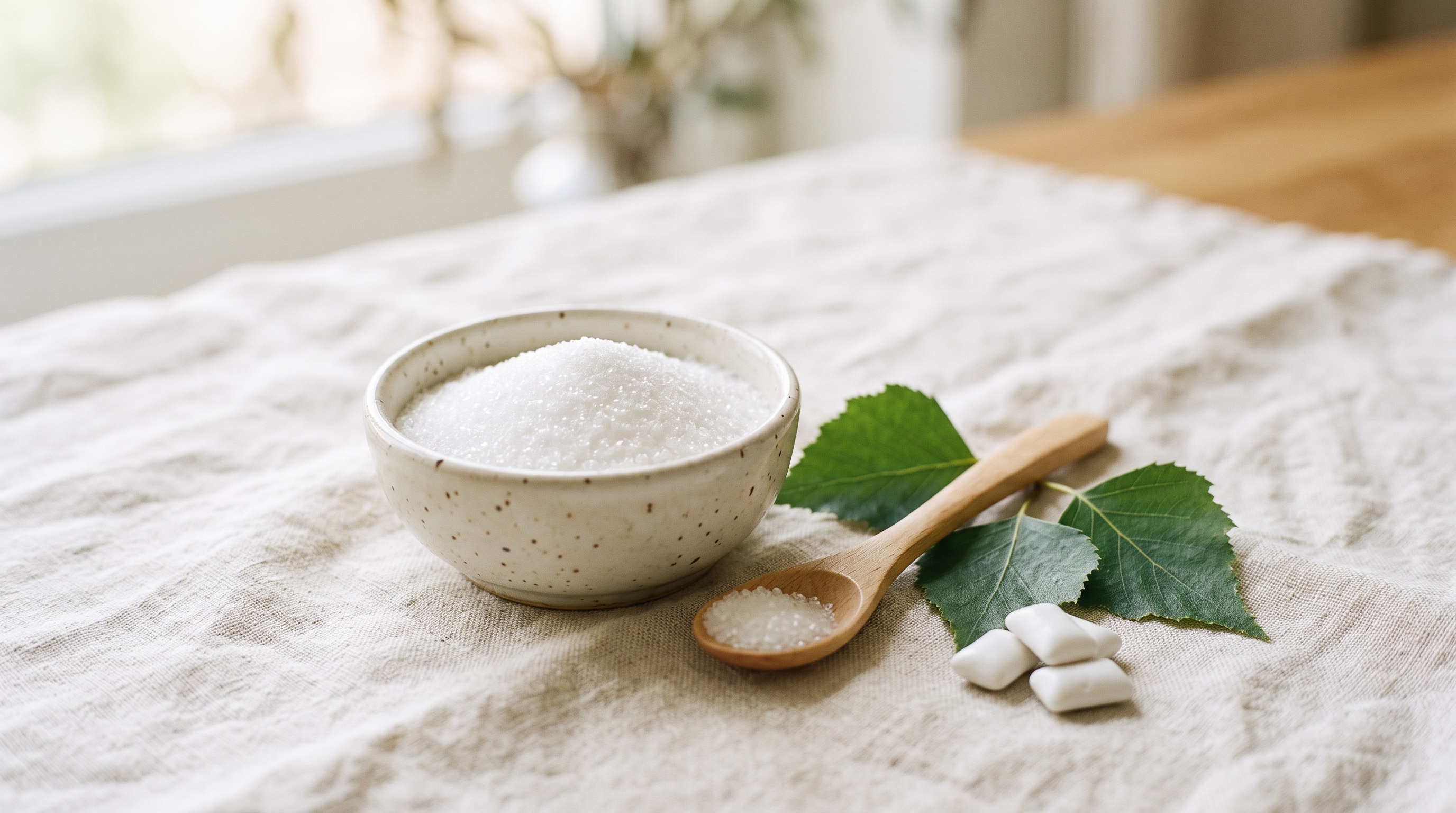
- Chew sugar-free gum with xylitol. Chewing stimulates saliva flow mechanically, and xylitol specifically has been shown to reduce cavity-causing bacteria rather than feeding them the way sugar does.
- Cut back on caffeine, alcohol, and tobacco, or at least follow them with water. If you use mouthwash, look for an alcohol-free formula.
- Run a humidifier in the bedroom, especially if you're a mouth breather or live somewhere dry. This addresses overnight dryness directly.
- Ask your dentist about saliva substitutes or stimulants. There are over-the-counter sprays, gels, and rinses designed specifically for dry mouth, and in more severe cases a dentist or physician may recommend a prescription saliva stimulant.
- Review your medications with your doctor or pharmacist if you suspect they're the cause. Don't stop a prescribed medication on your own, but ask if a dry-mouth side effect is common and whether alternatives exist.
A quick comparison of common remedies
| Remedy | Best for | How it helps |
|---|---|---|
| Frequent water sipping | Mild, general dryness | Keeps tissue moist, dilutes acid |
| Xylitol gum or lozenges | Dryness during the day | Stimulates saliva, reduces bacteria |
| Humidifier | Morning dryness, mouth breathing | Adds moisture to air overnight |
| Alcohol-free mouthwash | Anyone using mouthwash regularly | Avoids further drying the tissue |
| Saliva substitute spray/gel | Moderate to severe dryness | Coats and lubricates the mouth directly |
| Prescription saliva stimulant | Severe, medication or condition related | Increases the gland's own saliva output |
When to see a dentist about dry mouth
Occasional dryness usually isn't a red flag. But if the feeling persists most days for more than a couple of weeks, or you notice new cavities, cracked lips that won't heal, or a burning tongue, it's worth a dental visit. A dentist can check for early decay that dry mouth tends to cause, recommend a stronger fluoride product to compensate for the reduced natural protection, and help you figure out whether a medication, a health condition, or simple dehydration is the underlying driver.
FAQ
Is dry mouth just a minor annoyance or an actual dental problem? It's a real risk factor for dental disease, not just discomfort. Chronic low saliva flow raises your chances of cavities and gum irritation because your mouth loses its natural acid buffer and rinsing action.
Can drinking more water alone fix chronic dry mouth? It helps, especially if dehydration is the main cause, but it won't fully solve dry mouth caused by medication, mouth breathing, or a medical condition. Those causes usually need to be addressed directly alongside better hydration habits.
Does dry mouth get worse with age no matter what I do? Saliva flow does tend to decrease somewhat with age, but a lot of the increase in dry mouth among older adults comes from taking more medications, not aging itself. Reviewing medications with a doctor can make a real difference.
Are dry mouth mouthwashes actually different from regular ones? Yes. Regular mouthwash, especially alcohol-based versions, can dry out oral tissue further. Dry mouth formulas are alcohol-free and often contain moisturizing or saliva-stimulating ingredients instead.
Can dry mouth cause problems besides cavities and bad breath? It can also make it harder to wear dentures comfortably, increase your risk of mouth sores and infections like oral thrush, and make chewing or swallowing certain foods uncomfortable. That's part of why it's worth treating rather than ignoring.
The bottom line
Saliva is doing constant, invisible maintenance work in your mouth, buffering acid, delivering minerals, washing away bacteria. When it dries up, that protection goes with it. Treat ongoing dry mouth as a genuine dental issue worth mentioning at your next checkup, not just a side effect to live with. A few consistent habits, plus the right products if you need them, can keep saliva doing its job.
This article is for general information only and is not a substitute for professional dental advice. Always consult your dentist about your individual needs.