Dental Sealants: Who Needs Them, How Long They Last, What They Cost
Sealants close off the deep grooves in back teeth where a toothbrush cannot reach. What they are, who benefits, how long they last, whether adults qualify, and cost ranges.
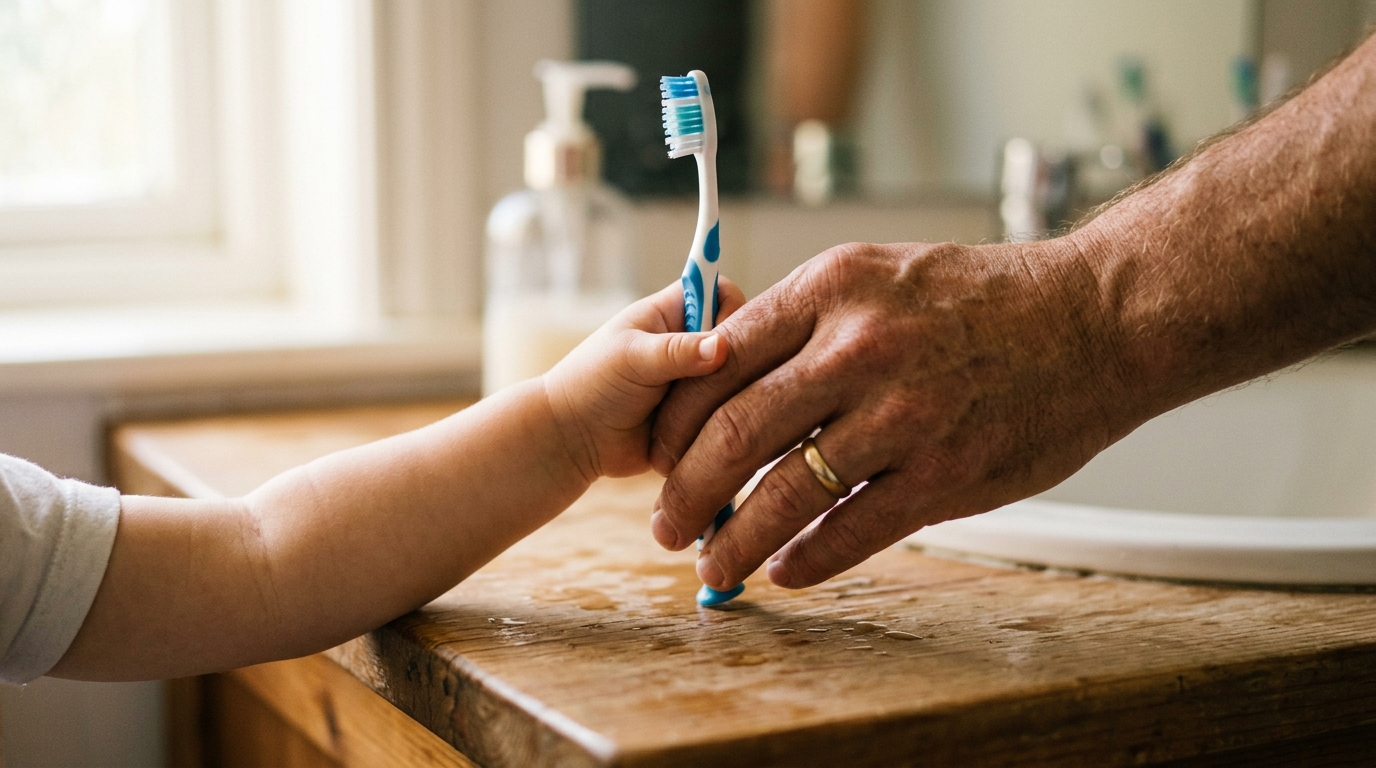
Your child's dentist suggested sealants at the last visit, quoted a number, and you left unsure whether that was genuine prevention or a line item. Or you are an adult who keeps getting fillings in the same back teeth and someone mentioned that sealants are not just for children.
Both questions have clear answers, and neither of them is complicated. Sealants solve one specific problem: the grooves on the chewing surfaces of back teeth are physically too narrow for a toothbrush bristle to enter, so brushing cannot clean them no matter how well you do it.
Here is what a sealant is, who actually benefits, how long they hold up, whether adults can have them, and what the money looks like.
What a Sealant Actually Is
Look at the biting surface of a molar and you will see a landscape of ridges and valleys. Those valleys are the pits and fissures, and in many people they are deep, narrow, and shaped like a flask: a tight opening widening into a chamber underneath.
Food debris and plaque bacteria drop into that space and stay there. A toothbrush bristle is wider than the opening, so it passes straight over the top. Saliva does not flush the bottom of the groove out either. It is, in effect, a place on your tooth where prevention does not reach.
A dental sealant is a thin liquid coating flowed into those grooves and hardened in place, sealing them closed so nothing can accumulate inside. Nothing is drilled and nothing is removed from the tooth. It is not a filling and it is not a treatment for decay that has already broken through. It is a physical lid.
That narrow purpose is worth holding onto, because it explains everything else. Sealants protect chewing surfaces only. They do nothing for the spaces between your teeth or the gumline, which is why they sit alongside flossing and fluoride rather than replacing either.
Which Teeth, and When
The teeth that matter most are the permanent molars, because they carry the deepest grooves and take the heaviest use. First permanent molars typically arrive around age six and second molars around age twelve, and the ideal moment to seal is soon after a tooth has fully erupted, before decay has a chance to start.
Premolars are sealed less often, since their grooves are usually shallower, and baby molars are sometimes sealed if a child has deep anatomy and a history of decay.
Not every tooth needs one. A molar with shallow, smooth, easily cleaned grooves gains little. A good dentist should be able to point at the specific teeth and say why those and not the others, and it is entirely reasonable to ask.
What the Appointment Is Like
This is the part parents are most often surprised by, because there is so little to it.
The tooth is cleaned and then isolated to keep it dry, usually with cotton rolls or a small rubber dam. A mildly acidic etching gel goes on for a few seconds to roughen the enamel microscopically so the sealant grips, then it is rinsed off and the tooth is dried thoroughly. The sealant is flowed into the grooves, hardened with a bright curing light, and the bite is checked so nothing feels high.
No drilling, no injection, no numbness. A few minutes per tooth. The only sensations are a slightly sour taste from the etch and the mild tedium of holding still with your mouth open and dry.
That dryness is not a formality. Moisture contamination is the single biggest reason a sealant fails early, so the fussing with cotton rolls and suction is the part that determines whether it lasts.
Resin or Glass Ionomer
Two material families are in common use, and they suit different situations.
Resin-based sealants are the standard choice. They bond tightly to etched enamel, wear well, and last longest, but they demand a properly dry field during placement.
Glass ionomer sealants release fluoride into the surrounding enamel and, importantly, will bond in damp conditions. They wear away faster, so they are often used as an interim measure: for a molar that is only partly erupted with gum still overlapping it, or for a young or anxious child who genuinely cannot stay dry long enough for resin. The plan is usually to replace it with resin later.
If your dentist chooses glass ionomer, ask whether it is meant to be temporary, because that changes how soon you should expect to redo it.
How Long Do Sealants Last?
Sealants do not usually fail all at once. They wear, chip at the edges, and lose sections over time, most often on the parts taking the heaviest chewing load. Well-placed resin sealants commonly last several years, with a meaningful proportion still intact well beyond that, and partial loss is more common than total loss.
Two practical consequences follow.
First, they need checking. A sealant that has partly worn away leaves the groove underneath exposed again, and the tooth is back to its original risk without anyone noticing. That check takes seconds at a routine exam, which is why sealants and regular visits go together.
Second, repair is easy. Topping up or replacing a worn sealant is a short, inexpensive appointment, not a fresh procedure. Sealants that get maintained keep working for a very long time. Sealants placed once and never looked at again quietly stop counting.
Can Adults Get Sealants?
Yes. Groove anatomy does not change with age, and an adult molar with a deep fissure and no decay in it is exactly as sealable as a twelve year old's.
What changes is insurance. Many plans cover sealants only for children, and only on permanent molars, up to a stated age. That is a coverage rule, not a clinical one, and it is the reason many adults have never been offered them.
Adults most likely to benefit:
- Deep grooves that are still sound, with no filling on that surface yet
- A pattern of repeated cavities on chewing surfaces
- Dry mouth, from medication or medical treatment, which removes much of your natural defense
- Orthodontic treatment, which makes cleaning harder for a while
- Limited dexterity, or reliance on a caregiver for daily cleaning
A tooth that already has a filling covering the grooves is not a candidate, because the surface the sealant would bond to is gone.
What Sealants Cost
| Item | Typical range |
|---|---|
| One sealant, per tooth | About $30 to $75 |
| Sealing four permanent first molars | About $120 to $300 |
| Fluoride varnish added at the same visit | About $25 to $75 |
| Repairing or replacing a worn sealant | About $30 to $75 per tooth |
| A small filling if decay develops instead | About $150 to $400 |
| A larger molar filling | About $250 to $600 |
These are ranges rather than quotes. Location, the materials used, whether a general or pediatric practice does the work, and how many teeth are involved all move them significantly, and your plan's coverage rules will affect what you actually pay far more than the list price does.
The arithmetic is usually the persuasive part. Sealing several molars often costs less than one filling, and a sealed tooth that never needs restoring also never enters the cycle of fillings being replaced every so often across a lifetime.
The BPA Question
Some parents have read that resin sealants can release bisphenol A, and it is a fair thing to ask about rather than something to wave away.
Resin materials can release trace amounts of BPA-related compounds, and the measurable release is concentrated in the short window right after placement rather than continuing indefinitely. The amounts detected have been very small, and dental organizations that have reviewed the question consider the protective benefit to outweigh the exposure.
There is also a simple mitigation that costs nothing: after curing, the dentist wipes or rubs the surface and has the patient rinse and spit, which removes most of the residual surface layer. It is reasonable to ask whether the practice does this, and to ask whether the product they use is one of the BPA-free formulations now available. A dentist who is comfortable with the question will answer it directly.
Sealing Over Early Decay
One thing that has changed in practice, and that confuses people who remember older advice: a sealant can be placed over early decay that has not yet broken through the surface, and doing so can stop it.
The logic is straightforward. Early decay needs a continuing supply of bacteria and fermentable carbohydrate to keep progressing. Seal the groove and that supply is cut off, so the lesion stalls. This is now accepted practice for non-cavitated lesions confined to enamel, and it is one of the least invasive things dentistry does.
What a sealant cannot do is cover an actual hole. Once the surface has collapsed, the decay is beyond the reach of a coating and needs restoring. Our article on whether early tooth decay can be reversed explains exactly where that boundary sits and how a dentist decides.
Frequently Asked Questions
Do sealants hurt?
No. There is no drilling and no injection, so nothing to numb. The etching gel tastes sour and the tooth has to be kept dry for a few minutes, which is the whole of the unpleasantness. Most children handle it easily, and it is often used as a gentle first experience of having something done.
Are sealants worth it if my child brushes really well?
Usually yes, because this is not a hygiene problem. The grooves in a molar can be narrower than a single toothbrush bristle, so brushing technique cannot reach the bottom of them at any skill level. Sealants exist precisely for the surfaces that good brushing cannot fix.
Can a cavity form under a sealant?
Under an intact, well-bonded sealant, decay is cut off from what it needs and does not progress. The risk comes from a sealant that has partly chipped or worn away without being noticed, which leaves an exposed groove. That is the argument for having them checked at every routine visit.
How can I tell if a sealant has come off?
Usually you cannot, which is the honest answer. They are tooth-colored or slightly opaque and the wear is gradual. Occasionally a child reports a rough patch or a piece coming loose while eating. Otherwise this is a job for the exam.
Do sealants mean we can skip fluoride?
No. They protect different surfaces. Sealants cover the chewing grooves, while fluoride protects every surface in the mouth, including between the teeth and at the gumline, where a large share of cavities actually start. The two are complements, not alternatives.
Are sealants only for children?
No, though insurance often behaves as if they are. Any adult with sound, deep grooves on a back tooth can have them, and they are particularly worth asking about if you have a dry mouth or keep getting decay on chewing surfaces.
What to Do Next
If you have a child around six or around twelve, ask at the next visit whether the new molars are fully erupted and whether they have grooves worth sealing. The window right after eruption is when this is most valuable, and it is easy to miss by a year without anyone flagging it.
If you are an adult with repeat fillings on your back teeth, ask directly: are any of my remaining chewing surfaces still sound enough to seal? Expect to pay out of pocket, and weigh that against what a filling on the same tooth costs.
And whoever gets them, put a note in your own calendar to have them checked at each exam. Sealants are one of the few dental things that quietly stop working without telling you.
This article is for general information only and is not a substitute for professional dental advice. Always consult your dentist about your individual needs.