Signs You Might Need a Root Canal
Lingering heat sensitivity, pain on biting, a pimple on the gum, a darkening tooth. What each sign usually means, which ones are urgent, and why some infected teeth never hurt.

Something is wrong with a tooth and you're trying to work out how worried to be. Maybe hot coffee sets off an ache that hangs around long after you've swallowed. Maybe there's a small bump on the gum that comes and goes. Maybe it just hurts to chew on one side and you've been quietly avoiding it for a month.
A root canal becomes necessary when the tissue inside a tooth is inflamed beyond recovery or already infected. The signs that point there are fairly specific, and a few of them are worth acting on quickly rather than waiting to see whether they settle.
Here's what each common symptom usually means, which ones warrant a same day phone call, and the uncomfortable fact that some of the teeth most in need of treatment don't hurt at all.
What Actually Goes Wrong Inside the Tooth
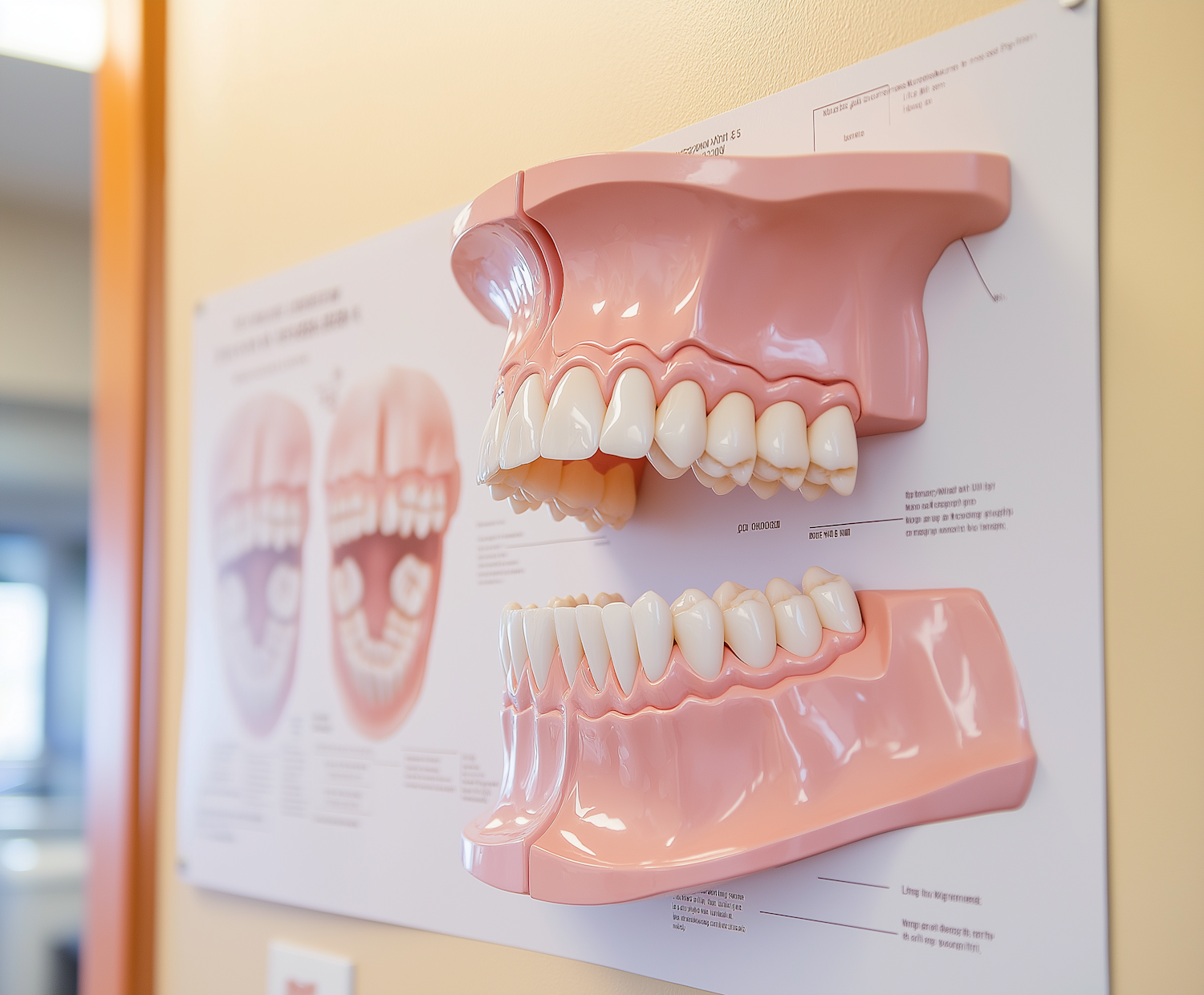
Every tooth has a chamber of soft tissue at its center called the pulp, which holds the nerve and blood vessels. It sits sealed inside hard tooth structure, which is normally a good arrangement and becomes a bad one the moment bacteria get in.
Bacteria reach the pulp through deep decay, a crack, a fractured filling, repeated dental work on the same tooth, or a blow to the mouth. The pulp becomes inflamed. Early on that inflammation can still calm down. Past a certain point it can't, and dentists call that irreversible pulpitis, meaning the tissue will not recover on its own even if the symptoms fade.
That last part matters more than anything else in this article. Pain going away is not the same as a tooth getting better. Once the pulp dies, the nerve stops signaling, the ache stops, and the infection quietly continues into the bone at the root tip.
The Signs Worth Paying Attention To
Sensitivity to heat that lingers
A brief zing from cold that vanishes in a second or two is common and usually harmless. The pattern that points toward the pulp is different: heat sets it off, the ache builds rather than fades, and it hangs around for thirty seconds, a minute, or longer after the cup is down. Some people find cold water actually relieves it, which is a fairly telling sign.
Pain when you bite or press on the tooth
When infection spreads out of the root tip into the surrounding ligament and bone, the tooth becomes tender to pressure. It can feel taller than the ones beside it, or sore when you tap it with a fingernail. This is a different sensation from generalized aching, and it tends to be well localized. You can usually point straight at the tooth.
A pimple on the gum
A small bump on the gum near a tooth, often whitish or yellowish, that swells and then drains and then comes back, is a sinus tract. It's a channel the body has opened so pus from an infection at the root tip can escape. It's the reason some infections stop hurting: the pressure has found an exit.
It is not a gum problem and it will not clear up with better brushing. A sinus tract is one of the more definitive signs that a tooth has an infection at its root, and it needs an appointment even though it rarely hurts much.
A tooth that's changing color
A single tooth turning gray, brown, or darker yellow while its neighbors stay the same usually means the pulp inside has died. Blood breakdown products stain the tooth from the inside out. This often follows an old injury, sometimes years earlier, and it commonly arrives with no pain whatsoever.
Swelling
Swelling of the gum, cheek, or face near a sore tooth means infection has spread beyond the root. Any facial swelling deserves a same day call. Swelling that's spreading toward your eye, under your jaw, or into your neck, or that comes with fever, difficulty swallowing, difficulty opening your mouth, or any trouble breathing, is an emergency. Go to urgent care or an emergency department rather than waiting for a dental appointment.
Pain that wakes you up
Pain that arrives without any trigger, especially at night or when you lie down, is a classic pulp symptom. Lying flat increases blood pressure in the head, and in a chamber that can't expand, that shows up as throbbing. If over the counter pain relief barely touches it, that fits the same picture.
Symptom to Likely Cause
Symptoms overlap, so use this as a map rather than a diagnosis. The right hand column is the part to act on.
| What you're noticing | Most likely explanations | How soon to be seen |
|---|---|---|
| Sharp zing from cold, gone in seconds | Exposed dentin, receding gum, worn enamel, a new filling settling | Routine appointment |
| Ache from hot drinks that lingers a minute or more | Inflamed or dying pulp, often needing a root canal | Within days |
| Cold briefly relieves the ache | Advanced pulp inflammation with gas pressure in the chamber | Within days |
| Sore to bite on one specific tooth | Infection past the root tip, cracked tooth, or a filling sitting high | Within days |
| Sharp pain on release after biting | Cracked tooth, which may or may not need a root canal | Within days |
| Pimple or bump on the gum, drains and returns | Sinus tract from an infected root | Within days, even without pain |
| One tooth darkening over months or years | Dead pulp, frequently from an old knock | Book an assessment |
| Gum swelling around a tooth, tender to touch | Root tip infection or a gum abscess | Same day call |
| Facial or jaw swelling, fever, feeling unwell | Spreading infection | Urgent, same day |
| Swelling toward the eye or neck, trouble swallowing or breathing | Serious spreading infection | Emergency care now |
| Constant dull ache across several upper back teeth, worse bending over | Often a sinus issue rather than a tooth | Doctor first, dentist if it persists |
| Generalized sensitivity across many teeth | Whitening, brushing too hard, grinding, gum recession | Routine appointment |
Some Infected Teeth Never Hurt at All
This trips up a lot of people, and it's worth stating plainly: a tooth can need a root canal and feel completely normal.
Once the pulp has fully died, the nerve endings inside it stop functioning. Whatever pain there was disappears, sometimes over a matter of days, and the tooth feels fine. Meanwhile bacteria continue in the empty canal system and the infection works into the bone at the root tip, where it can form a slow area of destruction that's visible on an x-ray long before you notice anything.
Painless cases usually turn up in one of these ways:
- A routine x-ray shows a dark shadow at the root tip
- A tooth is noticeably darker than its neighbors
- A gum pimple appears and the person assumes it's an ulcer
- A tooth that hurt badly for a week, then stopped, and got filed away as resolved
- Pressure or a vague "different" feeling on chewing without real pain
That last group is the reason regular check ups earn their keep. An infection caught on an x-ray before it flares is a scheduled appointment. The same infection three months later can be a swollen face on a weekend.
When It's Probably Not a Root Canal
Plenty of tooth pain has other causes, and it's fair to want to rule them out.
- Receding gums or worn enamel. Brief cold sensitivity across several teeth, especially near the gum line, points here rather than to the pulp.
- A cracked or lost filling. Food packing into a defect causes sharp, short lived pain that stops when you rinse.
- Sinus pressure. A sinus infection can make several upper back teeth ache at once. The giveaway is that it's diffuse rather than one tooth, and often worse when you bend forward.
- Grinding and clenching. This produces sore, tired teeth and jaw muscles, often worst in the morning, usually on both sides.
- Gum disease. Tenderness, bleeding, and bad taste around a tooth can come from the gum and bone rather than from inside the tooth.
- A wisdom tooth pushing through. Pain at the very back of the jaw with swollen gum tissue over a partly erupted tooth is a different problem entirely.
Some of these still need treatment. None of them need a root canal.
How a Dentist Actually Confirms It
Diagnosis doesn't rest on symptoms alone. Expect some combination of:
- Cold testing. A cold stimulus is applied briefly to the tooth and to its neighbors for comparison. How the tooth responds, and how long the response lasts, says a lot about the state of the pulp.
- Percussion and pressure testing. Gentle tapping to see whether the tissue around the root is inflamed.
- An x-ray. Shows decay depth, previous work, and any dark area at the root tip where bone has been lost to infection.
- A 3D scan. For complicated cases, a cone beam scan gives a fuller picture of the root anatomy and any surrounding bone loss.
- Electric pulp testing. A small current checks whether nerve tissue in the tooth still responds.
It's normal for a dentist to test the teeth on either side too. Pain refers between teeth surprisingly often, and the sore one isn't always the culprit.
When to Call Urgently
Call the same day, or seek emergency care, if you have any of the following:
- Swelling of your face, cheek, or jaw
- Fever alongside tooth pain
- Pain that's severe and not responding to over the counter relief
- A tooth that has been knocked, loosened, or pushed out of position
- Trouble swallowing, opening your mouth, or breathing, which is an emergency department situation
Book within the next few days, without waiting for it to worsen, for lingering heat sensitivity, pain on biting one tooth, a gum pimple, or a tooth that has changed color. None of these are emergencies. All of them tend to become one eventually if left.
Frequently Asked Questions
Can a tooth that needs a root canal heal on its own?
No. Once the pulp is inflamed past the point of recovery or has died, it can't regenerate. Symptoms often fade, which feels like healing but usually means the nerve tissue has died rather than recovered. The treatment options at that point are a root canal or extraction.
My tooth hurt for a week and then stopped. Am I in the clear?
Possibly, if the trigger was something like a new filling settling down. But sudden relief after severe pain is also the pattern of a pulp that has died. If the pain was intense, kept you up, or came with any swelling, get it checked even though it feels fine now.
Will antibiotics fix it instead?
Antibiotics can reduce swelling and control an infection that's spreading, and dentists prescribe them in those situations. They can't reach inside the tooth, because there's no blood supply left in a dead pulp to carry them there. The bacteria in the canal have to be removed mechanically, which is what a root canal does.
Does needing a root canal mean I neglected my teeth?
Not necessarily. Deep decay is one route, but cracks, a knock to the mouth in childhood, and teeth that have had multiple fillings over the years all get there too. Some teeth end up needing treatment despite good care.
How can my dentist tell it's the pulp and not just sensitive teeth?
Mostly by how long the response lasts. Sensitive dentin gives a sharp reaction that stops almost immediately once the stimulus is gone. An inflamed pulp gives an ache that builds and lingers. Combining that with an x-ray and pressure testing usually makes the picture clear.
Is there any way to avoid needing one?
Treating decay early, wearing a night guard if you grind, and getting cracked teeth looked at before they split all help. So does having a deep filling monitored rather than assuming it's settled. Once the pulp is irreversibly damaged, though, prevention has passed and the question becomes treatment.
What to Do Next
If any of the urgent signs apply, particularly facial swelling or fever, make the call today and say those words on the phone. Practices triage by symptom, and swelling moves you up the list.
Otherwise, book an appointment and go in with specifics. Write down what triggers the pain, how long it lasts afterward, whether it wakes you at night, and whether biting makes it worse. Those details do a genuine amount of the diagnostic work, and they're much harder to reconstruct in the chair than they are at your kitchen table.
This article is for general information only and is not a substitute for professional dental advice. Always consult your dentist about your individual needs.