What Really Happens During a Dental Check-Up
Nervous about your next visit? Here's a step-by-step walkthrough of a routine exam, from the first questions at check-in to the final polish.
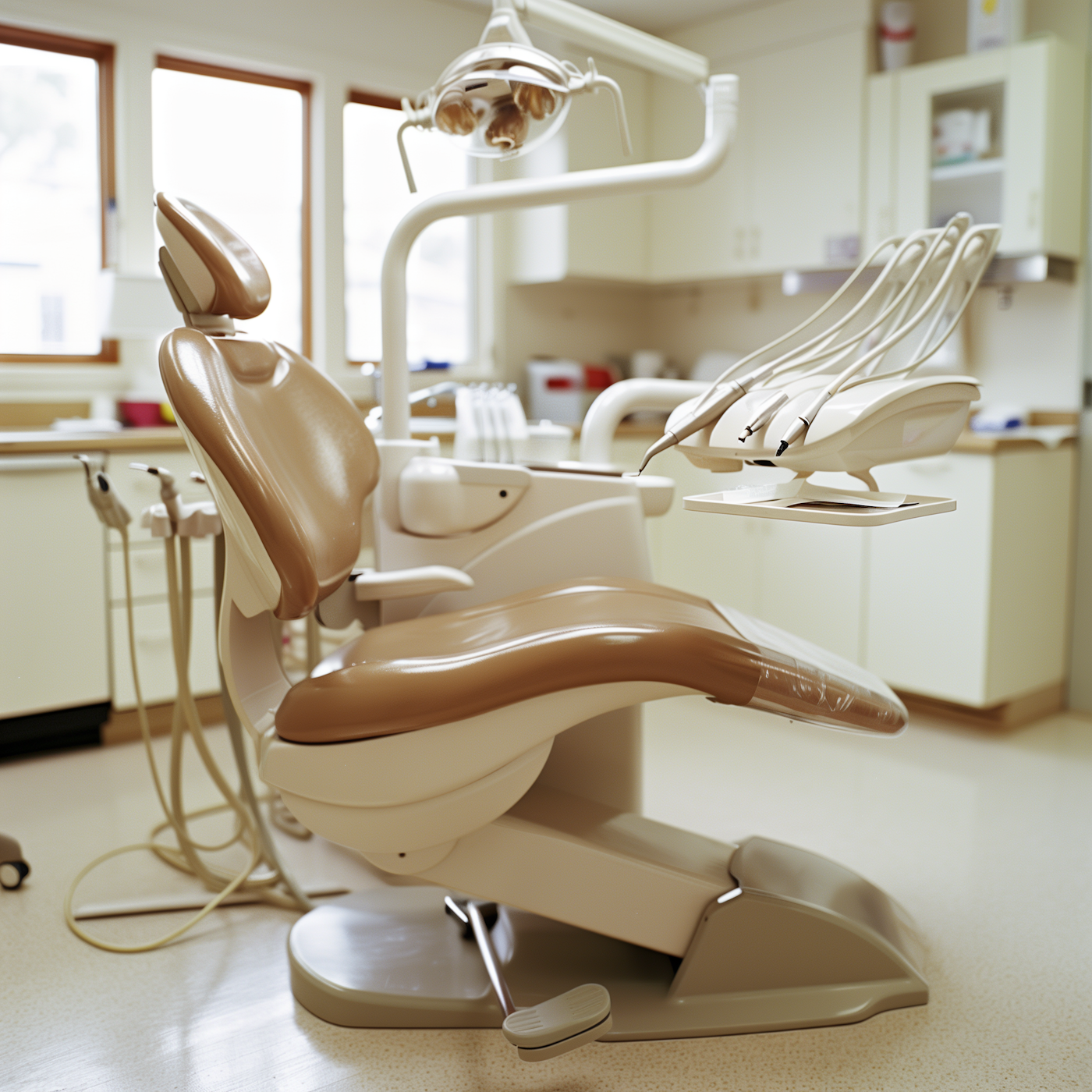
If the sound of a dental drill or the smell of the waiting room makes your stomach tighten, you're not alone. A lot of that anxiety comes down to not knowing exactly what's about to happen. So here's the routine check-up broken down step by step, in the order it usually happens, so there are no surprises waiting for you in the chair.
Before the exam even starts
A typical check-up begins before the dentist walks in. A hygienist or dental assistant usually starts by updating your medical history, asking whether anything has changed since your last visit: new medications, a pregnancy, a new diagnosis, even changes in stress or sleep, since all of these can affect your mouth.
They'll also ask if you have any concerns. This is the moment to mention that twinge near your back molar, the spot that's sensitive to cold, or the fact that your jaw's been clicking. Dentists would much rather know upfront than find it themselves halfway through.
If it's been a while, or if it's just time based on your risk level, they may also check whether you're due for X-rays. Not every visit includes them; it depends on when your last set was taken and what your dentist is watching for.
The visual examination
This is the part most people picture when they think "dental check-up." The dentist uses a small mirror and a thin metal tool called an explorer to look over every tooth, checking for:
- Signs of decay, especially in the grooves of back teeth and between teeth where it's harder to see
- Cracks or chips, some too small to feel with your tongue
- Old fillings or crowns that are wearing down, leaking, or lifting at the edges
- Discoloration or staining that might point to a deeper issue, not just coffee
While they're in there, they're also checking your gums. This often involves a small measurement called probing, where the dentist or hygienist gently checks the depth of the little pocket between your tooth and gum with a tiny ruler-like tool. Healthy pockets are shallow; deeper pockets can be an early sign of gum disease. It might feel like light pressure or a small pinch, but it shouldn't be painful.
Most check-ups also include a quick oral cancer screening: a look and gentle feel of your lips, cheeks, tongue, the floor of your mouth, and sometimes your neck and jaw, checking for anything unusual like sores that won't heal, lumps, or discoloration. It takes less than a minute and is one of the more genuinely important parts of the visit, even though it gets far less attention than the tooth-by-tooth check.
Finally, they'll usually look at your bite and how your jaw moves, checking for signs of teeth grinding, jaw tension, or a bite that's shifted out of alignment.
The clean: scale and polish
Once the exam is done, the hygienist typically moves into cleaning, sometimes called a "scale and polish." This has two parts.
Scaling removes plaque and tartar (hardened plaque that brushing alone can't remove) from around and between your teeth and along the gumline. It's usually done with a small metal hand tool, an ultrasonic scaler that uses vibration and water, or a combination of both. This is the part that makes the scraping sound patients tend to remember. It can feel a little intense, especially along the gumline or if you have a lot of buildup, but it shouldn't hurt. If it does, say something; sensitivity varies a lot from person to person and there are ways to make it more comfortable.
Polishing comes after, using a soft rotating cup with a gritty paste to smooth the tooth surface and buff away surface stains. This part is quick and generally the most pleasant few minutes of the whole appointment.
Some visits also include flossing by the hygienist and a fluoride treatment at the end, especially for patients at higher risk of cavities.
Advice and next steps
Once the cleaning wraps up, the dentist usually comes back for a short conversation. This is where you'll hear:
- Specific feedback on your brushing and flossing, including spots you might be consistently missing
- Whether anything found during the exam needs treatment, and roughly how urgent it is
- A treatment plan if something does need attention, laid out so you can ask questions before agreeing to anything
- A recommended date for your next visit
This is also the best time to ask about anything you're curious about: whitening, a retainer that doesn't fit right anymore, whether you actually need a nightguard. Dentists tend to like these questions since they'd rather explain something now than have it turn into a bigger issue later.
How often should you actually go?
The "every six months" rule is a decent default, but it's not a hard law carved in stone. Your ideal interval depends on your personal risk factors, and dentists increasingly tailor the recommendation instead of applying it evenly:
| Risk level | Typical signs | Suggested interval |
|---|---|---|
| Low risk | No cavities in years, good gum health, consistent home care | Every 9-12 months |
| Average risk | Occasional cavity, generally healthy gums | Every 6 months |
| Higher risk | History of gum disease, frequent cavities, dry mouth, smoking | Every 3-4 months |
| Special circumstances | Pregnancy, diabetes, orthodontic treatment | As advised, often more frequent |
If your dentist suggests a schedule different from six months, it's not a sales tactic; it's usually a genuine reflection of what your mouth needs.
When a check-up turns into something more
Occasionally a routine visit uncovers something that needs follow-up: a cavity that needs filling, a tooth that needs a closer look with an X-ray, or gums that need a deeper cleaning than a standard polish provides. That doesn't mean anything went wrong at home. Some issues, like decay between teeth or below the gumline, are essentially invisible until a dentist looks for them directly. Catching them at a routine visit, rather than after they start hurting, is exactly the point of going regularly.
Tools you'll see (and hear) during the visit
A dental tray can look intimidating if you don't know what's on it. Knowing what each tool actually does tends to take a lot of the mystery, and the dread, out of the sounds you hear during a cleaning.
- Mirror. A small angled mirror lets the dentist see the back and inner surfaces of your teeth without needing to contort themselves to look directly. It's also used to reflect light into darker corners of your mouth.
- Explorer. The thin, slightly hooked metal pick used to feel for soft spots, rough patches, or catches in the grooves of your teeth that might signal early decay. It's not designed to hurt, just to feel texture.
- Periodontal probe. The small ruler-like tool used to measure gum pocket depth. The numbers called out during this step ("3, 3, 2...") are just measurements in millimeters, not a verdict.
- Ultrasonic scaler. A vibrating tip combined with a fine water spray that breaks up tartar. This is usually the source of the buzzing sound and the reason you might need to swallow or use the suction tool more often during cleaning.
- Prophy cup. The small rotating rubber cup on the polishing handpiece, loaded with a gritty paste, that buffs the tooth surface smooth at the end.
None of these tools are unique to a "bad" visit. They show up at every routine cleaning, healthy mouth or not.
What you can do to make check-ups easier on yourself
A few small habits in the days and weeks before your appointment can make the whole visit smoother:
- Floss consistently in the two weeks before your visit, not just the night before. Gums that have been irritated by built-up plaque bleed more easily, and a sudden flossing streak right before an appointment doesn't undo months of buildup.
- Mention anxiety or sensitivity upfront, not partway through a procedure. Dentists can offer numbing gel before probing, a slower pace, or breaks, but only if they know it's needed.
- Bring a list of medications and supplements, especially if anything changed since your last visit. Certain medications affect gum tissue, saliva production, or bleeding, which matters for both diagnosis and treatment planning.
- Avoid scheduling right after a big meal of very sugary or acidic food if you can help it; it won't ruin the visit, but a quick rinse beforehand makes the exam more pleasant for everyone.
FAQ
Why does the hygienist poke around my gums with that little tool? That's called periodontal probing, and it measures the depth of the space between your gum and tooth. Shallow numbers mean healthy gums; deeper numbers can signal early gum disease, which is much easier to manage before it progresses.
Is it normal for my gums to bleed a little during cleaning? Some bleeding during scaling is common, especially if your gums are inflamed or if it's been a while since your last cleaning. Ongoing bleeding when you brush at home, though, is usually a sign of gum inflammation worth mentioning to your dentist.
Do I really need X-rays every single visit? No, and a dentist who's asking every time without reason is worth questioning. X-rays are typically spaced out based on your risk level and how long it's been since your last set, often once a year or even less for low-risk patients.
Why does the cleaning feel rougher some visits than others? It usually comes down to how much tartar has built up since your last cleaning. Longer gaps between visits, or periods where flossing slipped, tend to mean more scraping is needed to catch up.
What if I'm too anxious to get through a normal check-up? Tell the front desk when you book, not just when you sit down. Many practices offer options like numbing gel before probing, breaks during the appointment, or scheduling a shorter visit first to rebuild comfort before a full cleaning.
The bottom line
A dental check-up isn't a test you can fail, and it isn't a punishment for whatever you did or didn't do with your toothbrush this year. It's a fairly quick, routine look under the hood, designed to catch small problems while they're still small and cheap to fix. Once you know what each step actually involves, there's a lot less to brace for.
This article is for general information only and is not a substitute for professional dental advice. Always consult your dentist about your individual needs.