Porcelain Veneers: A Complete Guide to a Flawless Smile
What veneers are, who they suit, how the process actually goes, and what to weigh before you commit, explained without the sales pitch.
A great smile changes the way you speak, laugh, and carry yourself in a room. For a lot of people, porcelain veneers are the fastest route to one. They're also one of the most misunderstood treatments in dentistry, sold hard on social media and rarely explained in plain terms. This guide walks through what veneers actually are, who they're right for, what the appointments look like, and what tends to go wrong when people skip the homework.
What Are Porcelain Veneers, Exactly?
A veneer is a thin shell of dental ceramic, usually somewhere between 0.3 and 0.7 millimeters thick, bonded to the front surface of a tooth. Think of it less like a cap and more like a fingernail-thin facing that sits over the part of the tooth that shows when you smile.
Each veneer is custom made, either by a dental lab or milled in-office from a scan, to match a shape and shade you agree on with your dentist beforehand. Porcelain is used because it handles light almost the way natural enamel (the hard, semi-translucent outer layer of a tooth) does. Cheaper materials look flat and opaque under normal light; well-made porcelain does not, which is why good veneers are genuinely hard to spot even up close.
It's worth being clear that veneers are a cosmetic treatment first. They change how a tooth looks. They don't add strength to a tooth that's structurally compromised, and they're not a substitute for a filling, a crown, or orthodontic treatment when one of those is actually what's needed.
What Veneers Can Fix, and What They Can't
Veneers are a strong option for cosmetic problems that don't respond well to simpler fixes:
- Staining that's gone deep into the tooth and won't lift with whitening (tetracycline staining is the classic example)
- Chipped or worn edges, especially on front teeth
- Small gaps between teeth that aren't worth full orthodontic treatment
- Teeth that are slightly uneven in length, shape, or rotation
- A smile that looks "tired" from years of minor wear
They're a poorer fit when:
- There's a significant bite problem (an overbite or crossbite that affects how teeth meet)
- Gum disease is active and untreated
- Grinding is heavy and unmanaged, since the biting edge of a thin shell takes real punishment
- The tooth already has large fillings or structural damage, where a crown protects far more of what's left
That last point trips a lot of people up. If a tooth is more filling than tooth, or it's cracked, a veneer sitting on top of a weak foundation is asking for trouble. This site has a longer piece specifically comparing veneers and crowns if you're not sure which category your tooth falls into, since the two get recommended for genuinely different reasons.
How a Dentist Decides If You're a Candidate
A proper consultation isn't just "do you want veneers." It usually covers:
- A full exam and x-rays, to rule out decay, gum disease, or old fillings that need attention first.
- A bite check, because veneers change how your front teeth meet, and a dentist wants to know that ahead of time, not after cementation.
- An enamel assessment, since veneers bond most reliably to enamel rather than the softer dentin underneath. Teeth that have been heavily prepped before may not have enough enamel left to bond well.
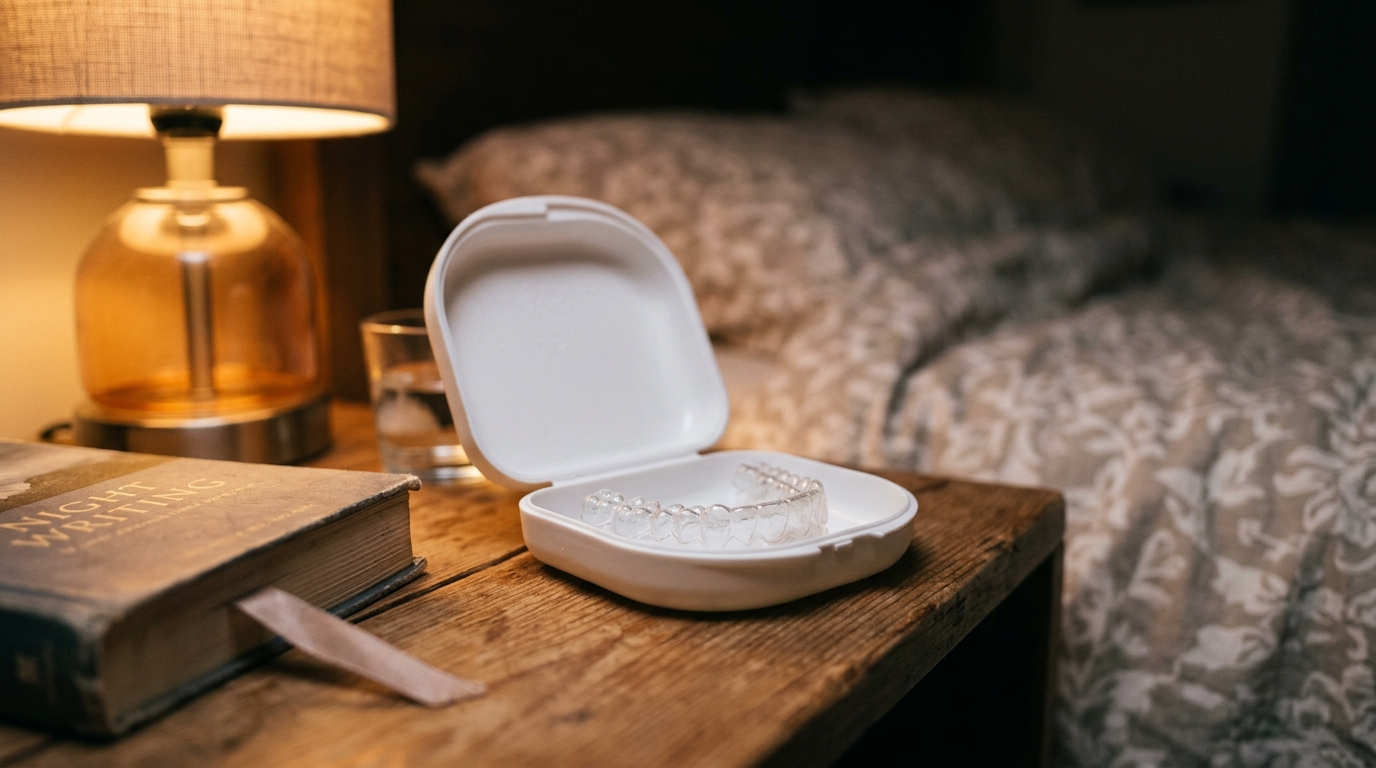
- A conversation about your grinding habits. If you clench or grind at night, a nightguard is usually part of the plan from day one, not an afterthought after a veneer chips.
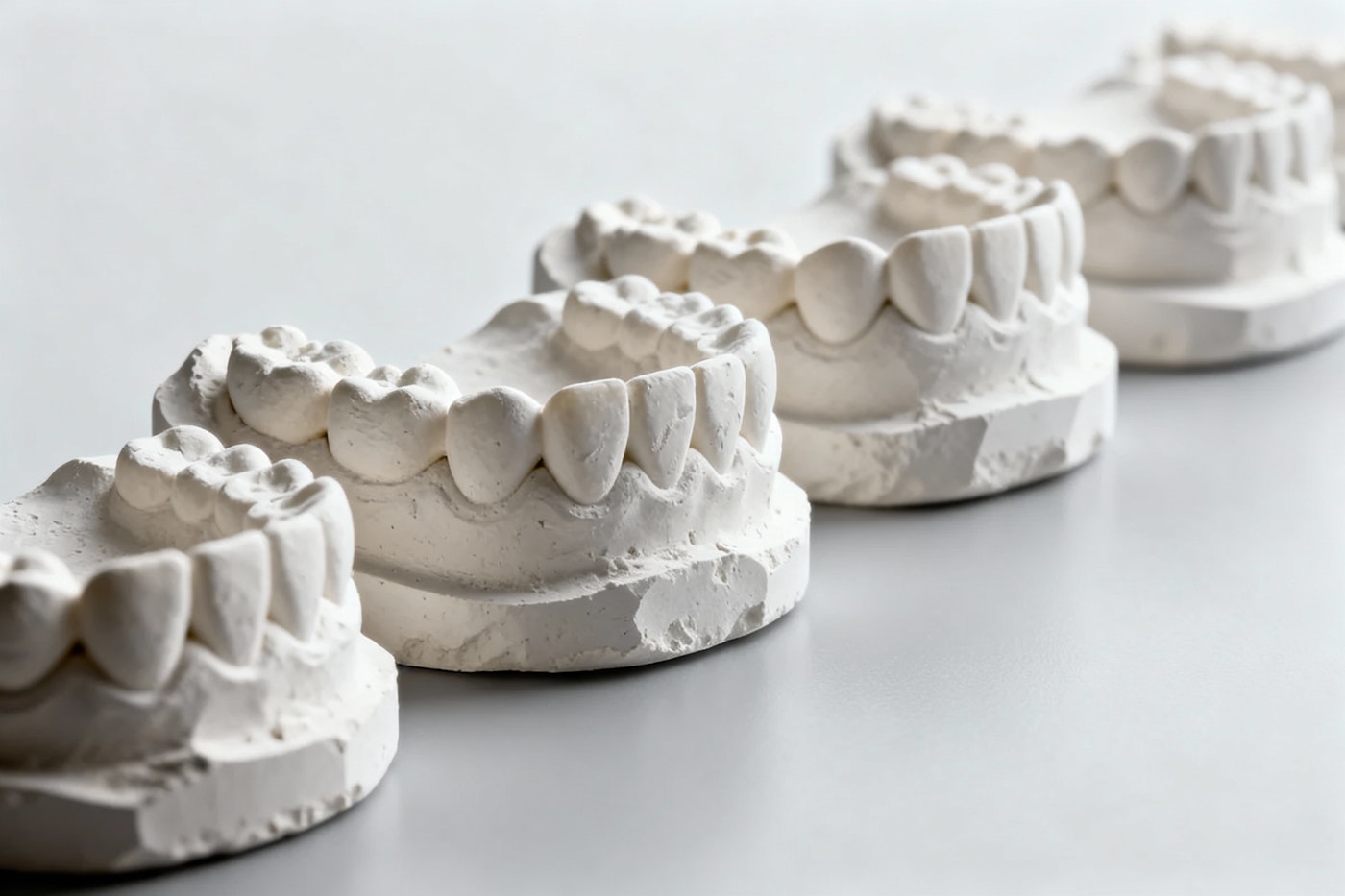
- Smile design. Some dentists use digital mockups or a wax model of your new smile so you can see, and sometimes even wear a trial version of, the shape and length before anything is prepared.
A dentist who skips straight to scheduling prep without any of this is a red flag worth noticing.
The Process, Step by Step
1. Consultation and smile design. You and your dentist agree on shade, shape, and how many teeth are involved. Most smile makeovers cover the upper six to ten front teeth, though a single veneer to match a chipped tooth is also common.
2. Preparation. A thin layer of enamel, roughly the thickness of the veneer going back on, is removed from the front of each tooth. This step is why veneers are generally considered permanent: enamel doesn't grow back, so once it's prepped, the tooth will need something bonded to it going forward. Some patients qualify for minimal-prep or "no-prep" veneers, where very little or no enamel is removed, but that depends on how the teeth already sit and how much change is being asked for.
3. Impressions or a digital scan. This goes to the lab (or the in-office mill) so the final veneers can be fabricated to the agreed shape and shade.
4. Temporaries. Because enamel has been removed, you'll usually wear temporary veneers for one to three weeks while the permanent set is made. Temporaries are more fragile than what's coming, so it's worth being a little careful with them (skip the corn on the cob for a couple of weeks).
5. Bonding. At the final appointment, temporaries come off, the permanent veneers are tried in for fit, shape, and color, and once everyone's happy, they're cemented with a light-cured resin. The dentist checks your bite, trims any high spots, and polishes the edges.
Most straightforward cases take two visits over two to three weeks. More extensive smile makeovers, or cases needing gum recontouring first, can run longer.
How Long Do Veneers Actually Last?
With reasonable care, porcelain veneers typically last 10 to 15 years, and it's not unusual to see well-maintained ones going strong past that. What shortens their lifespan almost always comes down to habits rather than the material itself: grinding without a nightguard, biting into hard objects (ice, pen caps, fingernails), or gum recession over time exposing the edge where the veneer meets the tooth.
When a veneer does fail, it's typically a chip at the edge, a loss of bond causing it to feel loose, or a color mismatch that develops as the surrounding natural teeth change slightly with age (the veneer itself won't discolor the way natural enamel can, which is part of why matching shade at the start matters).
Porcelain vs. Composite: A Quick Note
Porcelain isn't the only veneer material, and it's worth knowing the alternative exists even briefly here. Composite veneers are built directly onto the tooth from tooth-colored resin in a single visit, no lab, no temporaries. They cost less and can often be repaired rather than replaced, but they don't resist staining as well and generally don't last as long as porcelain. This site has a full comparison of porcelain versus composite veneers if that trade-off matters to your decision; the short version is that porcelain wins on longevity and stain resistance, composite wins on cost and speed.
What Influences the Cost
Veneer pricing varies a lot, and for real reasons: the material, the skill and training of the dentist, how much lab work is involved, where you live, and how many teeth are being treated. A single veneer to fix one chipped tooth is a very different cost than an eight-tooth smile makeover with custom shading. This site has a dedicated breakdown of what actually drives veneer pricing if you want the full picture; the practical takeaway here is to get a written quote and ask what's included (temporaries, adjustments, and any warranty on chips in the first year or two).
Comparing Your Main Cosmetic Options
Veneers aren't the only way to improve how your smile looks, and it's worth seeing where they sit relative to the alternatives before committing.
| Treatment | Best for | Tooth structure removed | Typical lifespan | Reversible? |
|---|---|---|---|---|
| Porcelain veneers | Deep stains, chips, shape, small gaps | Thin layer of enamel | 10-15 years | No |
| Composite bonding | Small chips, minor gaps, quick fixes | Little to none | 4-8 years | Mostly |
| Professional whitening | Surface and some internal staining | None | Fades over months to years | Yes |
| Orthodontics (aligners/braces) | Crowding, spacing, bite alignment | None | Permanent with retention | N/A |
| Crowns | Cracked, weak, or heavily filled teeth | Significant, all sides | 10-15+ years | No |
Caring for Veneers Long Term
Veneers don't need exotic maintenance, they need consistency:
- Brush and floss exactly as you would natural teeth; porcelain doesn't decay, but the tooth underneath and the gumline still can.
- Skip biting into genuinely hard things: ice, hard candy, fingernails, the plastic wrap on a package.
- Wear a nightguard if you grind or clench, even if you've never worn one before. This is the single biggest factor in whether a veneer lasts 10 years or 20.
- Keep up with regular checkups so a dentist can catch a hairline chip or a loosening edge before it becomes a bigger repair.
- Use a non-abrasive toothpaste. Whitening toothpastes with high abrasives can dull the polish on porcelain over years of use, ironically making it look less bright, not more.
Frequently Asked Questions
Do veneers stain like natural teeth do?
Porcelain itself resists staining very well, noticeably better than natural enamel. The main color risk isn't the veneer discoloring, it's the surrounding natural teeth shifting shade over years while the veneer stays put, which can eventually create a visible mismatch.
Can veneers be whitened later if my other teeth get brighter?
No. Whitening gel works on natural enamel through a chemical reaction that porcelain doesn't undergo. If you want a brighter overall smile, whiten your natural teeth first and let the color settle for a couple of weeks, then have the veneer shade matched to that result.
Is getting veneers painful?
The prep appointment uses local anesthetic, so most people feel pressure rather than pain. Some mild sensitivity to hot or cold is common for a few days to a couple of weeks afterward while the tooth settles, similar to sensitivity after a filling.
What happens if I don't like how they look?
This is exactly why a good consultation includes a preview, whether that's a digital mockup, a wax-up, or a temporary trial smile you can actually wear around for a few days. Speak up before the final cementation; adjustments after that point mean remaking the veneer.
Can one cracked veneer be fixed without replacing the whole set?
Usually yes, if only one veneer is damaged, only that one needs to be replaced. Matching the new one to veneers that have been in place for years can take a careful eye, since porcelain resists staining but natural teeth nearby may have shifted shade slightly.
The Bottom Line
Porcelain veneers are one of the more durable and transformative options in cosmetic dentistry, but only when the candidacy is right and the dentist doing the work has real experience with them. Get a proper exam first, ask to see a preview of the planned shape and shade, and don't let anyone rush you straight from consultation to prep. Once enamel comes off, there's no undo button, so it's worth taking the extra week to be sure.
This article is for general information only and is not a substitute for professional dental advice. Always consult your dentist about your individual needs.