Gingivitis: The Early Signs and How to Reverse It
Gingivitis is the one stage of gum disease that fully reverses. The early signs, the two week turnaround, exactly what to change, and when it is something more.

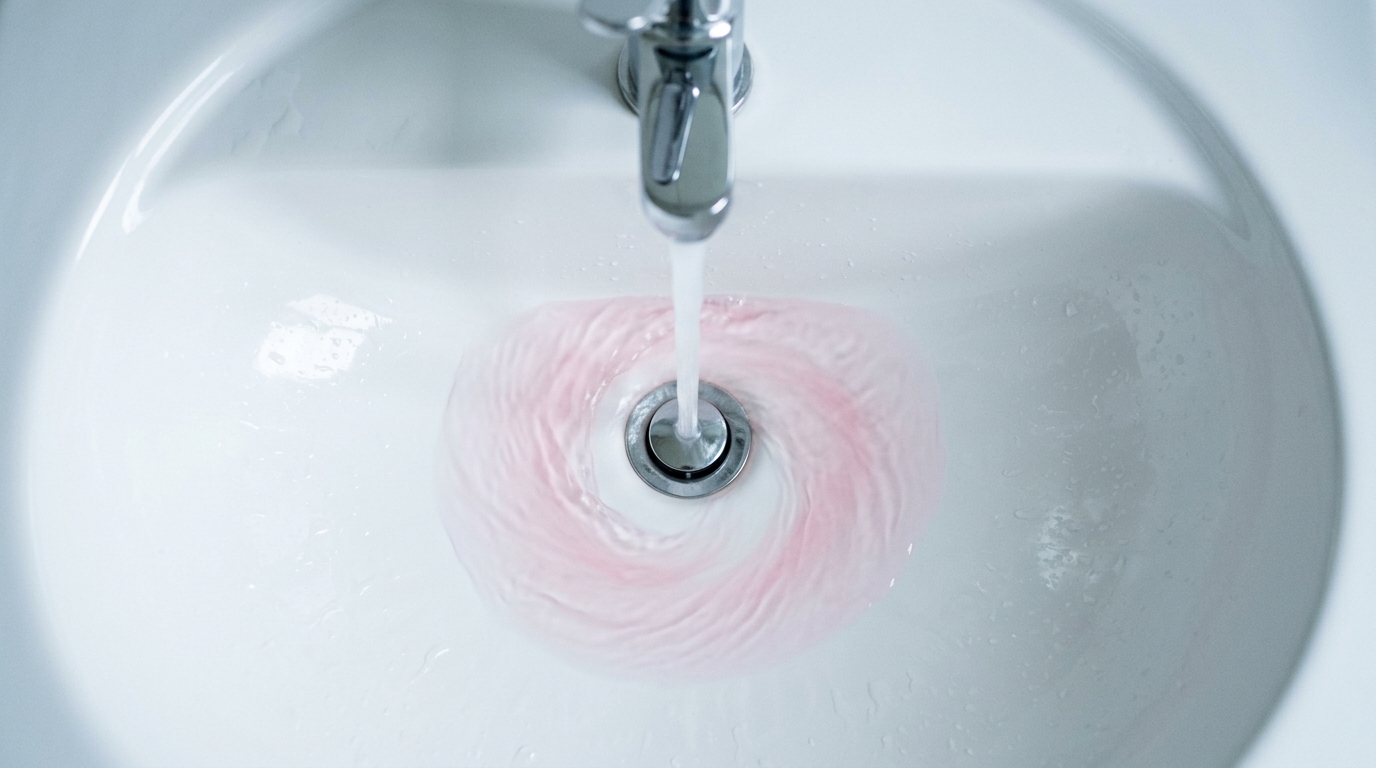
You spat in the sink and there was pink in it. Maybe your gums look a little puffier than they used to, or one spot at the back feels tender when you eat something crunchy. You looked it up, found the phrase "gum disease", and now you're worried.
Here's the part most search results bury: this stage is reversible. Not managed, not slowed down. Genuinely reversible, back to healthy gums, with no lasting damage. That's true of gingivitis and it stops being true later, which is why the early signs are worth knowing.
The catch is that reversing it takes a specific change, not a vague intention to do better. Below is what gingivitis actually is, how to read the signs, what the first two weeks look like, and the situations where it isn't just gingivitis.
What Gingivitis Actually Is
Gingivitis is inflammation of the gums caused by bacteria sitting along the gum line. That's the whole definition. Your gums are red, swollen, and bleed easily because they're reacting to something on the tooth surface right next to them.
That something is plaque, a soft, sticky film of bacteria that forms on teeth constantly. It starts rebuilding within hours of brushing. Leave it undisturbed at the gum line and your immune system responds to it, which is what inflammation is. The bleeding isn't your gums being damaged by the brush. It's inflamed tissue with fragile blood vessels near the surface.
Left alone long enough, plaque hardens into tartar, also called calculus, a crusty mineral deposit that bonds to the tooth. This is the point where home care alone stops being enough. Tartar has a rough surface that holds more plaque against the gum, and you cannot brush it off. It has to be scraped off with instruments.
The line that matters most is this one: in gingivitis, the inflammation sits in the gum tissue only. Nothing has happened to the bone holding your teeth in. Once that bone starts to go, the condition is periodontitis, and bone does not come back. So gingivitis is the stage where the whole problem is still on the reversible side of the line.
The Early Signs and What Each One Means
Gum problems are quiet. There's usually no pain, which is exactly why people miss the window. Here's how to read what you're seeing.
| What you notice | What it usually means | Gingivitis or something more |
|---|---|---|
| Pink in the sink when you brush | Inflamed gum tissue at the brushing line | Classic gingivitis |
| Blood on the floss, especially between back teeth | Plaque sitting where the brush never reaches | Classic gingivitis |
| Gums look red or shiny instead of pale pink | Active inflammation in the tissue | Classic gingivitis |
| Puffy, rolled gum edges around the teeth | Swelling that has been there a while | Gingivitis, likely months old |
| Tenderness when eating crusty or crunchy food | Sensitized, inflamed tissue | Gingivitis |
| Bad breath or a metallic taste that keeps coming back | Bacteria under the gum edge producing sulfur compounds | Gingivitis, sometimes more |
| Hard, gritty build up you can feel with your tongue | Tartar, which brushing cannot remove | Needs a professional clean |
| Gums pulling back so teeth look longer | Recession, which does not grow back on its own | Beyond gingivitis |
| Teeth feel slightly loose or have shifted | Loss of the bone and fibers holding the tooth | Likely periodontitis, see a dentist |
| Pus at the gum edge, or a bad taste from one spot | Active infection in a specific site | Urgent, book an appointment |
| A dull ache and a gum that hurts to touch | Possible abscess | Urgent, book an appointment |
The first six rows describe the version of this that goes away. The last few do not, and they're the reason it's worth reading the whole list rather than stopping at "my gums bleed".
Why Two Weeks Is the Number That Matters
Gum inflammation responds fast once you actually remove what's causing it. If plaque is genuinely being cleared from the gum line every day, most people see bleeding drop off noticeably within about a week, and gums that look and feel normal in around two weeks. Redness fades, the puffy edge tightens back against the tooth, and the sink stays clean.
That timeline is useful for two reasons.
First, it gives you a clear test. If you've made a real change and two weeks later the bleeding has stopped, you had gingivitis and you've dealt with it. Second, and more importantly, it tells you when to stop experimenting. If you've been consistent for two to three weeks and your gums are still bleeding in the same places, something is holding the problem in place. Usually that something is tartar under the gum edge, which no amount of brushing will shift, but it can also be a bite issue, a rough filling edge, a medication, or a health condition. Either way, that's the moment to get it looked at rather than to try harder.
One thing to expect: gums that are already inflamed often bleed more in the first few days of a better routine, not less. That surprises people into stopping. It's the opposite of a warning sign. You're disturbing tissue that was already inflamed, and it settles quickly.
Exactly What to Change
The routine that reverses gingivitis is not the routine that maintains healthy gums. It's more specific and slightly more annoying, and you only need it for a few weeks.
Aim at the gum line, not the teeth. This is the single change that does most of the work. The inflammation lives in a narrow band where tooth meets gum. Angle the bristles into that junction rather than scrubbing across the flat surfaces. Teeth get clean almost incidentally. The gum line is the target.
Clean between the teeth every single day, without exception. Bleeding between the back teeth is the most common pattern there is, because that's the space a toothbrush physically cannot enter. Floss works. So do interdental brushes, which many people find easier to use properly and which suit slightly larger gaps well. The best tool is genuinely the one you'll use daily.
Slow down rather than pressing harder. Pressure does not remove plaque, contact and time do. Hard scrubbing damages gum tissue and can push the gum back permanently, which trades one problem for a worse one.
Get the tartar removed. If you can feel hard deposits, or it's been a long time since a professional clean, home care will not finish the job. A hygienist removing tartar from above and just below the gum line is often the step that makes everything else work. This is a routine scale and polish, not deep cleaning.
Deal with dry mouth and smoking if they apply. Saliva is a natural defense, so anything that dries your mouth makes gum inflammation worse. Smoking is a special case worth knowing about: it constricts blood vessels in the gums, so smokers often bleed less while their gum disease progresses more. Less bleeding is not better gums in that situation.
Use mouthwash as a support, not a solution. An antiseptic rinse can help settle inflammation, and a dentist may prescribe a stronger one for a short period. It doesn't remove plaque from between teeth, so it can't replace the mechanical part. Rinsing instead of flossing is the most common version of trying hard and getting nowhere.
What a Professional Clean Costs at This Stage
A routine cleaning appointment for gingivitis usually means an examination and a scale and polish, roughly $75 to $250 without insurance in most places, often more in major cities. Many dental plans cover routine cleanings at or near full cost twice a year. If tartar has built up under the gum line and pockets have formed, you may be quoted for deep cleaning instead, which is a different and more expensive procedure priced per quadrant.
Those figures are ranges, not quotes. What you pay depends on where you live, the practice, how much build up there is, and whether x rays are taken at the same visit. Ask for the fee in writing before the appointment if cost is a concern.
When It Isn't Just Gingivitis
A few situations look like ordinary gingivitis and aren't.
- Bleeding that ignores a good routine. Three weeks of genuinely consistent cleaning with no improvement means something else is going on.
- Gums receding, teeth loosening, or gaps opening up. These point to lost bone and support, which is periodontitis territory and needs assessment rather than a better toothbrush.
- Pregnancy. Hormonal changes make gums react far more strongly to the same amount of plaque. It's common, it's real, and it's still worth treating rather than waiting it out.
- Medications. Some blood pressure drugs, immune suppressants, and epilepsy medicines cause gum overgrowth, and blood thinners make any bleeding more dramatic. Bring your list to the appointment.
- Diabetes. Blood sugar control and gum inflammation push each other in both directions, so gum disease that won't settle is worth mentioning to your doctor too.
- Sudden, severe, painful gum problems. Rapid onset pain, ulcerated gum tips, and a strong odor are not ordinary gingivitis and need to be seen promptly.
What to Do Next
If your gums bleed and nothing on the "beyond gingivitis" list applies to you, start with two weeks of deliberate gum line cleaning and daily interdental cleaning, then reassess honestly. Most people are done at that point.
Book a cleaning if you can feel tartar, if it's been more than a year since your last visit, or if two to three weeks of real effort changes nothing. And if there's pus, looseness, or a tooth that aches to bite on, don't run the two week experiment at all. Get seen.
The reason to act now rather than in six months is simple. Gingivitis costs you a fortnight of attention and maybe a cleaning appointment. The stage after it costs considerably more, takes longer, and never fully undoes.
Frequently Asked Questions
Can gingivitis really go away completely?
Yes. Because the inflammation is limited to the gum tissue and no bone has been lost, gums return to a genuinely healthy state once the plaque is removed and kept off. That's what makes this stage different from every stage after it.
How long does it take for gums to stop bleeding?
Usually about one to two weeks of consistent daily cleaning at the gum line and between the teeth. Bleeding often increases slightly for the first few days before it drops, which is normal and not a reason to back off.
Should I stop flossing if my gums bleed?
No, and this is the most common wrong turn. The bleeding is coming from inflamed tissue that needs the plaque removed, so stopping makes it worse. Keep going gently and daily, and expect the bleeding to fade rather than the flossing to cause it.
Is bleeding gums an emergency?
Ordinary bleeding while brushing is not urgent, though it does mean something needs to change. Pus, a swollen painful gum, a loose tooth, or bleeding that starts without any brushing at all should be seen quickly rather than watched.
Can mouthwash cure gingivitis on its own?
It can reduce inflammation and it's a useful support, particularly a short course of an antiseptic rinse your dentist recommends. It cannot remove plaque from between your teeth or lift tartar off, so on its own it treats the symptom and leaves the cause in place.
Does gingivitis always turn into periodontitis?
No. Plenty of people have episodes of gingivitis that resolve and never progress. Progression depends on how long the inflammation stays untreated plus factors like smoking, diabetes, and genetics, which is why the honest answer is that it's a risk rather than a certainty.
This article is for general information only and is not a substitute for professional dental advice. Always consult your dentist about your individual needs.