Oral Piercings and Your Teeth: The Real Risks
What tongue, lip and cheek piercings can do to your teeth and gums, from chipped enamel to gum recession, and practical ways to lower the risk if you keep one.
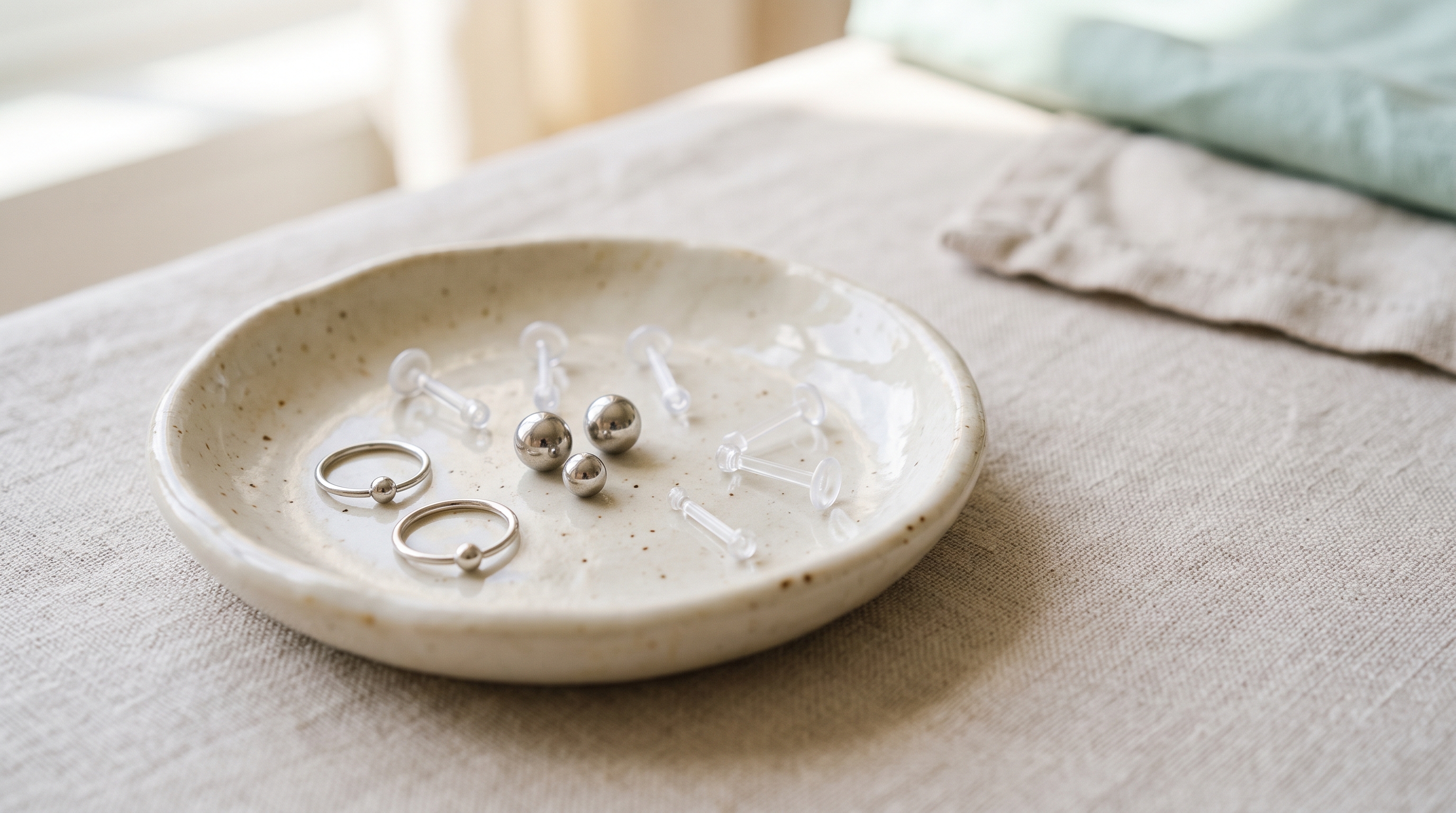
Maybe you already have a tongue bar or a lip stud, or you are thinking about getting one. Either way, you probably want to know what it actually means for your teeth and gums, without a lecture.
Here it is plainly. Oral piercings carry some real risks, mostly to tooth enamel and gums, and most of them build slowly over years rather than showing up straight away. Many people wear them without serious trouble. The ones who run into problems are often those who never knew what to watch for.
This guide covers what can go wrong, which piercing tends to cause which problem, and what you can do to keep your mouth healthy if you decide to keep yours.
Why the Mouth Is a Tricky Place for a Piercing
A piercing anywhere is a small wound that has to heal around a piece of metal. The mouth adds three complications.
First, it is full of bacteria, and it is never dry or still. Second, the tongue and lips move constantly when you talk, eat and swallow, which means the jewellery moves too. Third, the jewellery sits right next to teeth and gums, so every click, bite and rub lands on tissue that does not grow back easily.
Enamel, the hard outer layer of your teeth, does not repair itself once it chips. Gum tissue that has pulled back usually does not return without treatment. That is why the long term effects matter more than the first few weeks.
Chipped and Cracked Teeth
This is the most common dental problem from tongue piercings. A barbell in the tongue is easy to bite down on by accident, and many people develop a habit of clicking it against their teeth or rolling it around without noticing.
Over time that can cause:
- Small chips along the edges of teeth, especially the back teeth and the inside of the lower front teeth.
- Fine cracks in enamel, sometimes called craze lines, which are thin surface lines in the enamel.
- Larger cracks that reach deeper into the tooth and cause pain when chewing.
- Damage to fillings, crowns and veneers, which are no tougher than natural teeth against a metal bar.
A crack that goes deep enough can expose the inner tooth and lead to sensitivity, pain or even the need for a root canal. If you have already chipped something, our guide to cracked or chipped teeth explains what to do next.
Gum Recession Behind Lip and Tongue Jewellery
Gum recession means the gum pulling back from the tooth and exposing part of the root. Roots have no enamel, so they are more sensitive and more prone to decay.
Lip studs and labrets sit against the gum on the inside of the lower lip. With every movement, the disc on the back rubs the gum just below the front teeth. Tongue barbells can do the same to the gum on the inner side of the lower front teeth. Years of that gentle rubbing can wear the gum away.
Recession often happens without pain, so many people do not notice until a dentist points it out or the teeth start to feel sensitive. Once it is significant, it may need a gum graft to cover the root. Our guide to receding gums explains the signs and the treatment options.
Swelling, Infection and Healing
Some swelling is normal after any oral piercing, and a tongue piercing in particular can swell noticeably for the first several days. Piercers usually fit a longer bar at first to make room for this, and then swap to a shorter one once it settles.
Signs that healing is not going well include:
- Swelling that gets worse after the first few days instead of better.
- Increasing pain, heat or redness.
- Yellow or green discharge, or a bad smell.
- Fever or feeling unwell.
These can point to an infection, which needs prompt medical or dental attention. Swelling of the tongue or floor of the mouth that makes it hard to swallow, breathe or speak is an emergency: get care immediately.
Nerve and Bleeding Risks
The tongue has a rich blood supply and many nerves. A skilled piercer knows where to place the needle to avoid the larger blood vessels and nerves, but no placement is risk free. Heavier bleeding than expected, lasting numbness or changes in taste can happen, although they are uncommon.
Choosing an experienced, licensed piercer with good hygiene practices is the single biggest thing you can do to lower these risks. Single use needles and sterile equipment matter for preventing infections carried in blood as well.
Swallowed or Inhaled Jewellery
Balls on barbells can loosen and come off. Most of the time a swallowed ball passes through without harm. Inhaling one, which is rare, is more serious and can cause coughing, choking or breathing problems that need medical attention right away. Checking that the ends are tight is a small habit worth building.
Other Effects You Might Notice
- More plaque. Jewellery gives plaque and bacteria a new surface to cling to, and it can trap food.
- Bad breath. A build up of bacteria on and around the jewellery can cause an unpleasant smell.
- Speech changes. Many people speak slightly differently at first with a tongue bar. This usually settles.
- Extra saliva or drooling early on.
- Problems with dental x-rays. Metal shows up on x-rays, so you may be asked to remove jewellery for some images.
Signs Your Piercing Is Affecting Your Teeth or Gums
Because most of the damage builds quietly, it helps to know what to look for. Every few weeks, check the area closest to your jewellery in a well lit mirror. Things worth noticing:
- Gum that looks lower on one or two teeth than on the teeth next to them, or a tooth that suddenly looks longer.
- A notch or a yellowish band near the gum line, which can be exposed root surface.
- Sensitivity to cold on a tooth near the jewellery, especially if it is new.
- Rough or sharp edges you can feel with your tongue, which can mean a small chip.
- Pain when you bite on one tooth, which can point to a crack.
- Gums that bleed easily or look puffy around the jewellery, a sign of plaque build up and inflammation.
None of these needs panic, but all of them are worth mentioning to your dentist sooner rather than at a checkup months away. Caught early, a chip can often be smoothed or bonded, and recession can be stopped before it reaches the point of needing surgery.
Should You Take It Out?
That is your decision, and many people keep their piercings for years with good habits. It is worth thinking seriously about removal, or at least changing the jewellery, if your dentist has already found recession beside it, if you have chipped more than one tooth, or if you notice you cannot stop clicking it. Removing the jewellery takes the source of the rubbing away, and the hole often closes surprisingly quickly once it is out.
Piercing Type, Main Risk and How to Lower It
| Piercing type | Main risk | How to lower it |
|---|---|---|
| Tongue (midline barbell) | Chipped and cracked teeth, recession behind lower front teeth | Downsize the bar once healed, use softer material, avoid clicking it on teeth |
| Lip stud or labret | Gum recession on the inside of the lower lip | Flat, small back disc; consider a flexible stud; regular gum checks |
| Lip ring (hoop) | Rubbing on teeth and gums, catching on things | Snug fit, smaller diameter, remove for sports |
| Cheek | Rubbing on back teeth and gums, cheek biting | Correct bar length after healing, flat back disc |
| Tongue web (frenulum) | Gum irritation under the tongue, tearing | Keep jewellery small and smooth, stop if it irritates |
How to Lower the Risk if You Keep Yours
You do not have to remove your piercing to protect your teeth. These steps make the biggest difference:
- Downsize once healed. The long first bar is for swelling. Leaving it in means more metal moving around your teeth.
- Choose softer materials. Flexible plastic jewellery such as PTFE or bioplast is generally kinder to teeth than metal. Ask your piercer what suits your piercing.
- Break the clicking habit. Notice when you play with it, especially when concentrating or stressed.
- Take it out for contact sports, and wear a mouthguard.
- Keep it clean. Brush twice daily with fluoride toothpaste, clean between your teeth, and clean the jewellery too. Our guide to brushing properly covers the basics.
- Check the ends are tight every day.
- Tell your dentist and ask them to check the gums and teeth nearest the jewellery at each visit.
If you want a quick sense of your overall cavity and gum risk, the oral health risk quiz takes a few minutes.
Frequently Asked Questions
Will a tongue piercing definitely chip my teeth? No, but it raises the chance, especially with a long metal bar and a clicking habit. Downsizing after healing and switching to softer jewellery lowers the risk a lot.
Can gum recession from a lip piercing be reversed? Gum tissue that has pulled back does not usually grow back on its own. Removing or changing the jewellery stops it getting worse, and a dentist or gum specialist can discuss a graft if the root is exposed.
How long does a tongue piercing take to heal? The initial swelling usually settles within a couple of weeks, and fuller healing takes longer. Your piercer will advise when it is safe to swap to a shorter bar.
Is it safe to keep my piercing in for a dental visit? Usually yes for a checkup, but you may be asked to remove it for x-rays or certain treatment. Bring the case so it is easy to take out and put back.
What should I do if a piece breaks off and I swallow it? A small swallowed ball usually passes without problems. If you have trouble breathing, a persistent cough, or pain, seek medical help straight away.
What to Do Next
If you are thinking about a piercing, choose an experienced, licensed piercer and plan to downsize the jewellery once it heals. If you already have one, take a look at the teeth and gums closest to it in good light, and book a checkup if you see chips, lines, or gum that looks lower than its neighbours. Ask your dentist to keep an eye on those areas at each visit. Small changes caught early are much easier to deal with.
This article is for general information only and is not a substitute for professional dental advice. Always consult your dentist about your individual needs.