Tooth Sensitivity: What Causes It and What Actually Helps
Sensitive teeth are a symptom, not a diagnosis. How to read your own pattern, what desensitizing toothpaste really does, and which kind of sensitivity needs seeing now.
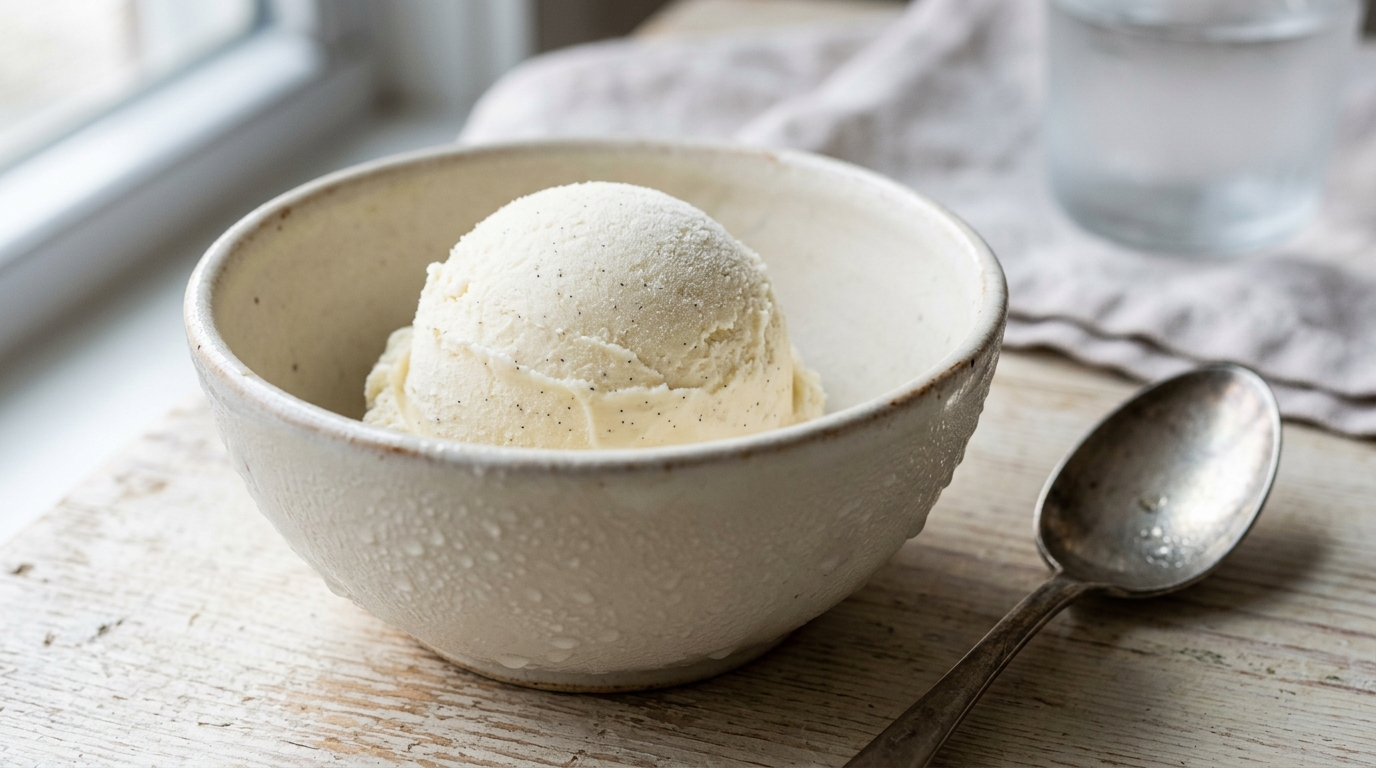
You take a sip of cold water and one tooth flashes, sharp and bright, and then it is gone a second later. Or the cold air on the walk to the car catches you. Or a spoonful of ice cream sends you chewing on the other side for the rest of the bowl.
Sensitivity is one of the most common dental complaints there is, and also one of the most confusing, because the same jolt can come from something completely harmless or from something that needs attention this week. The thing that tells them apart is not how much it hurts. It is the pattern: which teeth, which triggers, and how long the pain hangs around after the trigger is gone.
Here is how to read your own pattern, what desensitizing toothpaste actually does and how long to give it, and the specific kinds of sensitivity that mean you should stop reading and call someone.
Why a Tooth Can Feel Cold at All
Your enamel, the glassy outer shell of the crown, has no nerve supply and feels nothing. Underneath it sits dentin, a living, slightly yellow tissue that makes up the bulk of the tooth. Dentin is not solid. It is threaded with dentinal tubules, microscopic fluid-filled channels running from the outer surface inward toward the nerve.
When dentin is exposed, cold, heat, sweet things, acid, air, or the touch of a brush make the fluid in those tubules move. The nerve endings at the inner end of the channels register that movement, and they have exactly one way of reporting it: a sharp, brief zing. That is why a tooth can feel cold, sweet, and touch all as the same sensation.
So sensitivity comes down to one of two situations. Either dentin has been uncovered somewhere it should be protected, or the nerve inside the tooth is inflamed and is now reacting to stimuli it used to tolerate quietly. Nearly every cause below is a version of one of those two.
What Each Cause Actually Feels Like
Enamel wear and acid erosion. Enamel thins from two directions: mechanical wear from heavy brushing and abrasive pastes, and chemical softening from acid in soda, citrus, sports drinks, wine, vinegar dressings, and reflux. This kind of sensitivity is usually widespread rather than pinpoint. Several teeth on both sides react to cold and to sweet, the jolt is brief, and the front teeth can start to look slightly translucent at the edges.
Gum recession. When the gum margin pulls back, it uncovers root surface, which was never built to sit exposed. The pattern here is much more specific: one or two teeth, a tender band right at the gumline, and a flinch when the toothbrush passes over that exact spot. You can often feel a small notch with a fingernail. Recession has its own set of causes and treatments, and we cover them in the article on receding gums.
A cracked tooth. This is the one people most often miss. The signature is pain on biting, and specifically pain as you release the bite rather than as you press down, usually on something hard or crunchy. Cold can also set it off. It tends to be unpredictable, it can be hard to point to the exact tooth, and unlike most sensitivity it gets worse over months rather than better. Cracks do not heal, and a crack left alone can travel far enough to need a root canal or cost you the tooth.
Whitening. Peroxide moves through enamel and dentin far more easily than most people expect, and it can irritate the pulp temporarily. The result is a mix of dull ache and random zingers across several teeth at once, starting during treatment or within a day of it, and settling within a few days of stopping. It is uncomfortable but it is not damage, and it fades. Spacing out sessions and using a potassium nitrate gel or paste beforehand usually makes the next round much easier.
Grinding and clenching. Bruxism is involuntary grinding or clenching, most often at night. Heavy repeated loading wears the biting surfaces flat, flexes the tooth at the neck, and inflames the ligament that suspends each tooth in its socket. The clue is timing: worse first thing in the morning, easing through the day, alongside a tired jaw, headaches at the temples, and teeth that feel generally tender to bite on rather than sharply cold.
A failing filling or crown. An old restoration can develop a microleak, a gap at the margin where the seal between filling and tooth has broken down, letting fluid and bacteria reach dentin. The pattern is one tooth, near visible dental work, reacting to cold and often strongly to sweet things. Food packing between teeth, floss catching or shredding in the same spot, or a rough edge you can feel with your tongue all point the same way. New decay under an old filling produces exactly this picture too.
Recent dental work. A deep filling can leave a tooth cold-sensitive for a few weeks while the pulp settles, and that is normal. What is not normal is sensitivity that gets stronger week by week, or a tooth that starts hurting on its own. If a new filling also feels high when you bite, call the office, because a restoration sitting even slightly proud keeps getting hammered and stays sore until it is adjusted.
Sinus pressure. Worth knowing because it fools people. The roots of upper back teeth sit close to the sinus floor, so congestion can make several upper molars ache at once, usually with a stuffy nose and usually worse when you bend forward. Individual teeth are fine. It is the whole neighborhood that hurts.
Matching Your Sensitivity to Its Cause
| What you notice | Most likely cause | What usually helps |
|---|---|---|
| Brief cold and sweet zings on several teeth, both sides | Enamel wear or acid erosion | Desensitizing paste, cutting acid exposure, soft brush, low-abrasion paste |
| A tender band at the gumline of one or two teeth, brush touch sets it off | Gum recession with exposed root | Desensitizing paste, fluoride varnish, sometimes bonding the notch |
| Sharp pain when you release a bite, worse on hard food | A cracked tooth | Prompt examination, often a crown, sometimes a root canal |
| Dull ache plus random zingers across many teeth after bleaching | Whitening sensitivity | Pause treatment, potassium nitrate paste or gel, longer gaps between sessions |
| Widespread tenderness worst in the morning, tired jaw, flat worn edges | Grinding or clenching | Night guard, plus addressing the clenching itself |
| One tooth beside an old filling, strong reaction to sweet, floss shreds there | Leaking or failed restoration, or decay underneath | Replacing the restoration after checking for decay |
| Several upper back teeth aching together with congestion | Sinus involvement, not the teeth | Treat the congestion, reassess once it clears |
| Pain that lingers well after the trigger, or starts on its own | Inflamed or dying pulp | Same-week dental assessment, often a root canal |
More than one row can be true at once, and often is. Use this to sharpen the conversation with your dentist rather than to settle it yourself.
What Desensitizing Toothpaste Does, and How Long It Takes
There are two different mechanisms sold under the same shelf label, and knowing which you bought tells you how long to wait.
Potassium nitrate works on the nerve rather than the tooth. Potassium ions build up around the nerve endings and make them less quick to fire. It does not seal anything, so nothing changes overnight. Expect to use it consistently for two to four weeks before judging it, and expect the benefit to fade if you stop.
Tubule-blocking agents work on the tooth surface, physically plugging the open ends of the dentinal tubules so fluid cannot move. Stannous fluoride, arginine with calcium carbonate, calcium phosphate compounds, and hydroxyapatite pastes all take this route. These tend to give a little relief sooner, often within days, and keep building over several weeks.
How you use it matters more than which one you pick:
- Twice a day, every day. Occasional use does very little.
- Spit, do not rinse. Rinsing washes the active ingredient straight off the tooth.
- Rub a smear directly onto the sensitive spot with a clean fingertip before bed and leave it there.
- Do not pair it with a whitening or heavily abrasive paste, which works against you.
- Give it four full weeks before you decide it failed.
That four week mark is genuinely useful information. If nothing has changed after a month of consistent use, that points away from ordinary exposed dentin and toward a crack, a leaking restoration, or an inflamed pulp, none of which a tube can fix.
What a Dentist Can Do That a Tube Cannot
If home care is not enough, the next steps are quick and mostly undramatic. A desensitizing varnish is a fluoride-rich coating painted onto the sensitive area in a couple of minutes and lasting weeks to months. A prescription high-fluoride toothpaste raises the strength well above anything on the shelf. Bonding a notch at the gumline with tooth-colored resin seals exposed dentin and usually ends that particular sensitivity the same day.
Beyond that, treatment follows the cause: a night guard for grinding, replacing a leaking filling, treating gum inflammation, a crown for a cracked tooth, or, if the pulp is too inflamed to recover, a root canal.
Sensitivity That Means See Someone Now
Most sensitivity is a nuisance you can work on over weeks. These signs are different, and they are worth a call rather than a wait:
- Pain that lingers more than about thirty seconds after the cold or hot is gone
- Heat setting it off, especially when cold water relieves it
- Pain that starts on its own, wakes you at night, or throbs
- Sharp pain when you release a bite
- Swelling of the gum or face, a pimple on the gum, or a bad taste that keeps coming back
- A tooth that has visibly darkened compared with its neighbors
- Sensitivity alongside a hole you can see or feel, or a broken cusp
- Severe sensitivity that suddenly stopped, which can mean the nerve has died rather than recovered
Lingering pain and spontaneous pain in particular are the classic signals that the pulp is irreversibly inflamed. Our article on the signs you might need a root canal goes through those in detail.
Frequently Asked Questions
Why is only one tooth sensitive?
Single-tooth sensitivity almost always has a local cause: a crack, a leaking or decayed filling, a spot of recession, or a pulp that is inflamed. Generalized sensitivity across many teeth is more often erosion, wear, whitening, or grinding. That distinction alone narrows the list quickly.
How long does sensitivity after whitening last?
Usually a few days after you stop. It comes from peroxide temporarily irritating the pulp, not from damage to the tooth. If it is still going strong a couple of weeks after your last session, something else is contributing.
Does sensitive toothpaste actually work, or is it marketing?
It genuinely works for the most common cause, which is exposed dentin. What defeats people is expecting it to work in three days, rinsing it straight off, or using it only when the tooth complains. Twice daily for a month, spitting rather than rinsing, is a fair test.
Can tooth sensitivity go away on its own?
Sometimes. Sensitivity after a filling, after whitening, or after a deep cleaning usually settles by itself. Sensitivity from recession, erosion, a crack, or a failing restoration will not, because the underlying cause is still there.
Is cold sensitivity a sign of a cavity?
It can be, but it is not the usual first sign. Early decay is often silent. A cavity tends to announce itself with sensitivity to sweet things and to cold in one specific tooth, sometimes with food catching in the same spot. Widespread cold sensitivity across many teeth is more likely to be wear or recession.
What to Do Next
Spend a few days paying attention rather than guessing. Note which teeth react, what sets them off, whether the pain stops the moment the trigger is removed, and whether biting is involved. That short list is the most useful thing you can bring to an appointment.
Then start a desensitizing toothpaste properly, twice a day, spitting rather than rinsing, and give it a month. Meanwhile, ease off acidic drinks and do not brush straight after them, switch to a soft brush and a lighter grip, and raise a night guard with your dentist if you wake with a tight jaw.
If your pain lingers after the trigger, starts on its own, or spikes when you release a bite, skip all of that and book. Those three patterns are the ones where waiting costs you the most.
This article is for general information only and is not a substitute for professional dental advice. Always consult your dentist about your individual needs.