How Long Do Dental Implants Last? The Honest Answer
An implant is two parts with two lifespans. Here is what the post in your jaw can realistically do, what the crown on top cannot, and what makes an implant fail early.
You're about to spend several thousand dollars on one tooth, and the salesy version of the answer is "a lifetime." You want to know whether that's true, and if it isn't, what you'll actually be paying for again in ten or fifteen years.
Here's the honest framing. An implant is not one object with one lifespan. It's a titanium post in your jaw, and a crown sitting on top of it, and those two things fail for completely different reasons on completely different schedules. Mixing them up is why the numbers people quote sound so contradictory.
The post is the part with the long track record. The crown is a wearing part, closer to the tires on a car than to the car itself. So the useful question isn't "how long do implants last," it's "which piece am I likely to replace, and when."
The Implant Is Two Things That Wear Out at Different Rates
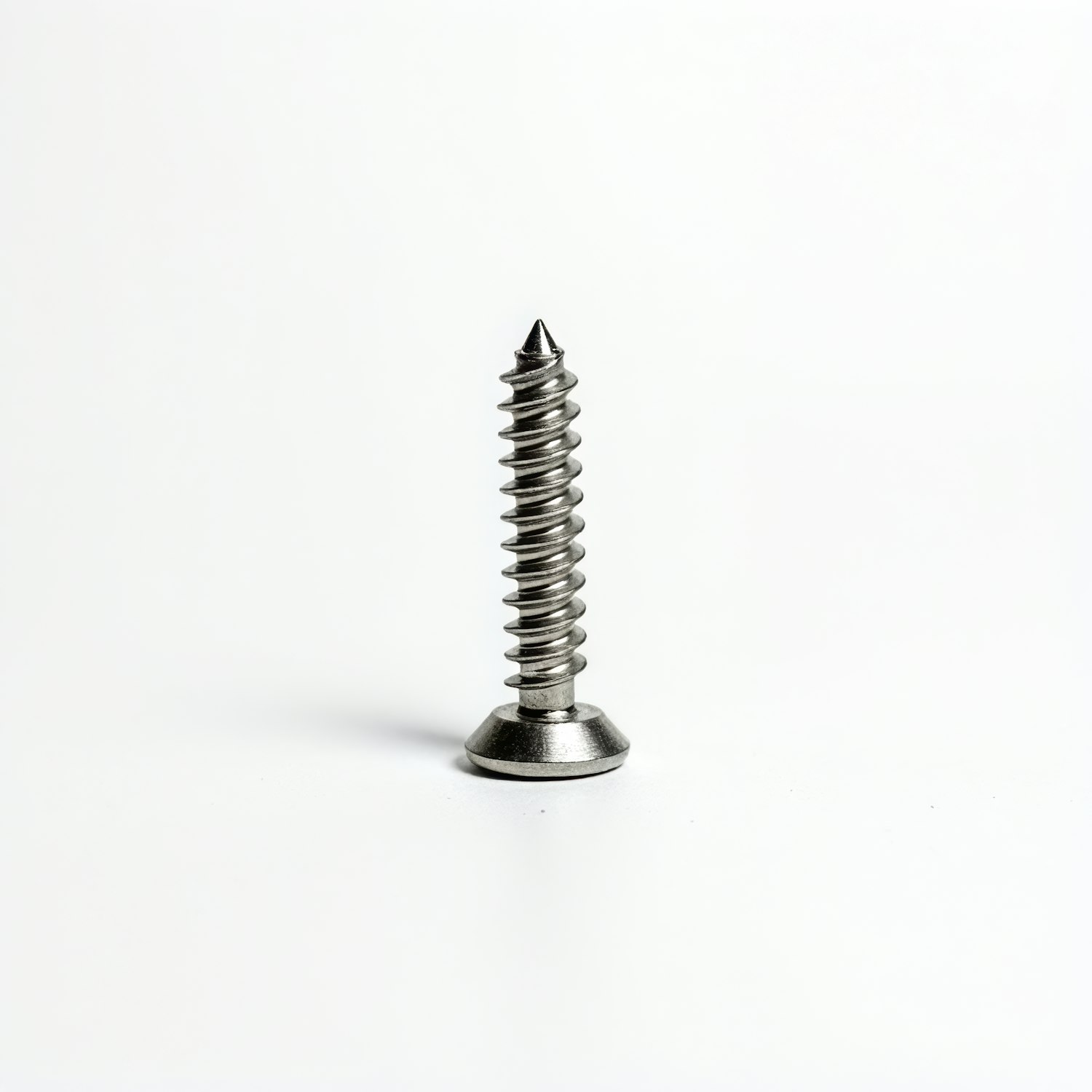
The fixture is the screw-shaped titanium post placed into your jawbone where the root used to be. Bone grows onto its surface and locks it in place. Once that bond has formed and stayed healthy, the fixture is not really wearing out in any ordinary sense. It doesn't decay, it doesn't crack under normal chewing, and it isn't being consumed by use. What ends a fixture's life is almost always the bone around it being lost, not the metal failing.
The crown is the visible tooth on top, usually porcelain or zirconia. It sits in your mouth, gets chewed on thousands of times a day, and takes hot, cold, acid, and the occasional olive pit. Ceramic chips. Cement washes out. Shades drift as the natural teeth beside it age. This is the part with a normal, finite service life.
Between them sits the abutment, the connector that screws into the fixture and passes through the gum, held by a small screw of its own. Screws loosen. That's a nuisance, not a disaster, and it's usually a fifteen minute fix if you report it early.
Understanding that split changes the budgeting question. You are not buying a tooth that lasts forever or fails completely. You are buying a foundation that can plausibly outlast most of your other dental work, with a replaceable top that you should expect to renew at least once.
Part by Part: What Lasts, What Breaks, and What It Takes to Fix
| Part | Realistic service life | What usually ends it | Fixing it means | Typical cost |
|---|---|---|---|---|
| Fixture in the bone | Decades, often the rest of your life if the gum and bone stay healthy | Bone loss from peri-implantitis, or failure to integrate in the first months | Removal, healing, often grafting, then a new implant | $2,000 to $5,000 to redo the site |
| Abutment screw | Years, but the most common thing to need attention | Loosening under heavy or uneven bite force | Retightening, sometimes a new screw | $0 to $300, often included in a recall visit |
| Abutment | Usually as long as the fixture | Fracture under heavy grinding, rare | New abutment, new crown fitted to it | $300 to $900 |
| Crown | Commonly ten to twenty years | Chipping, cement washout, wear, shade mismatch as you age | New crown made and fitted onto the existing implant | $1,000 to $3,000 |
| Screw-retained full arch bridge | Ten to twenty years for the prosthesis | Wear and fracture of the teeth or the acrylic holding them | Repair, or a new prosthesis on the same implants | $3,000 to $15,000 per arch |
Those are ranges rather than quotes. Where you live, the materials chosen, the implant system your dentist uses, and how complicated your case is will all move them, and only a written plan from your own dentist means anything for your mouth. The wider point of the table is the middle column: the crown is where routine replacement lives, and the fixture is where the real risk lives.
Early Failure Versus Late Failure
Implants fail in two distinct windows, and knowing which one you're in tells you what went wrong.
Early failure happens in the first weeks and months, before or just after the bone has bonded to the fixture. The implant never integrates in the first place, or lets go shortly after. Causes cluster around healing: smoking, poorly controlled blood sugar, infection at the site, bone that was too soft to hold the fixture stable, or loading the implant with chewing force before it was ready. Early failure is disappointing but usually straightforward to handle. The fixture comes out, the site heals, and after a few months another attempt is often successful.
Late failure happens years later, in an implant that worked perfectly the whole time. The overwhelming cause is loss of the bone around the fixture, and the second cause is mechanical: fracture of a component, or an implant that was overloaded by a bite it was never designed to take.
Late failure is the one worth actively preventing, because it's slow, quiet, and largely driven by things you can influence.
Peri-Implantitis: Why a Good Implant Goes Bad
This is the single biggest threat to a well placed implant, and most people have never heard the word before someone says it to them in a chair.
Peri-implant mucositis is inflammation of the gum around an implant, caused by plaque, with no bone lost yet. It looks like gum disease around a natural tooth: red, puffy tissue that bleeds when you clean it. At this stage it is reversible with better cleaning and a professional clean.
Peri-implantitis is what it becomes when it's left alone. The inflammation reaches the bone, and the bone around the fixture starts to disappear. That bone does not come back on its own. Treatment can slow or halt it, but the height you've lost is lost.
Two features of implants make this worse than it sounds. First, an implant has no periodontal ligament, the thin cushion of fibers that suspends a natural tooth in its socket. That ligament carries a rich blood supply and a lot of nerve endings. Without it, the tissue around an implant defends itself less well and warns you less clearly, so bone loss can progress a long way before anything hurts. Second, an implant can't get a cavity, which lulls people into thinking it needs less attention rather than more.
Signs worth reporting quickly:
- Bleeding when you brush or floss around the implant
- Gum that looks red, swollen, or has pulled back enough to show metal
- A persistent bad taste or a small amount of pus at the gumline
- The crown feeling loose, or clicking when you bite
- Any change in how food packs around that tooth
The last one matters more than people expect. Food starting to trap in a spot where it never used to is often the first sign that something has shifted.
If the fixture itself feels loose, that is different and urgent. A loose crown is fixable. A loose fixture usually means integration has been lost, and it needs to be looked at promptly.
What Actually Shortens an Implant's Life
- Smoking. The most consistently damaging habit for implants. It reduces blood flow to healing tissue, raises the chance the implant never integrates, and raises the chance of losing bone later. If you're going to quit around any dental event, this is the one.
- A history of gum disease. If you lost teeth to periodontal disease, the same bacteria and the same immune response are still in your mouth. Implants placed in that mouth need closer monitoring, not less.
- Grinding and clenching. Also called bruxism, grinding your teeth in your sleep or clenching under stress. An implant can't feel a heavy contact the way a natural tooth can, so it just absorbs the load. Grinding is a leading cause of fractured crowns and loosened screws. A night guard is cheap insurance.
- Uncontrolled diabetes. Well managed blood sugar is generally fine. Poorly controlled blood sugar impairs healing and increases infection risk on both timelines.
- Poor placement. An implant put in at the wrong angle, too close to a neighbor, or in bone that couldn't support it is set up to fail from day one. This is largely down to planning and imaging, which is a reason to ask what scan will be taken and how placement will be guided.
- Cement left behind. If your crown is cemented rather than screwed on, excess cement squeezed below the gum and not fully removed can drive inflammation for years. Screw retained crowns avoid this entirely and are easier to take off if something needs fixing.
- Skipping maintenance. Implants need professional cleaning on a schedule, with instruments chosen not to scratch the surface. An implant left unchecked for five years is the classic peri-implantitis story.
Frequently Asked Questions
Do dental implants really last a lifetime?
The fixture can, and often does, if the gum and bone around it stay healthy. The crown on top almost certainly won't. A realistic expectation is one foundation that lasts decades and one or two crown replacements along the way.
How often do implants fail?
Failure is uncommon in healthy patients with enough bone and good maintenance, and it becomes considerably more likely with smoking, uncontrolled diabetes, active gum disease, or heavy grinding. Ask your dentist to be specific about which of those apply to you rather than quoting an average.
Can a failed implant be replaced?
Usually yes. The fixture is removed, the site heals for a few months, and grafting is often needed to rebuild bone before a second attempt. Success rates for a second implant in the same site are good, but the cause of the first failure needs addressing or you're rebuilding the same problem.
My implant crown feels loose. Is the implant failing?
Most often it's the abutment screw loosening, which is a quick fix and much better caught early. A loose screw that keeps getting chewed on can fracture, and a fractured screw inside the fixture is a far bigger job. Call rather than waiting for the next recall.
Do I need to floss around an implant?
Yes, and it matters more than around a natural tooth, not less. Interdental brushes, floss designed for implants, and a water flosser all work well. What you're preventing is bone loss, and bone loss around an implant doesn't announce itself with pain.
What to Do Next
If you already have an implant, put it on a real recall schedule: every three to six months depending on your gum history, with x-rays at intervals your dentist sets so bone levels can be compared over time. That comparison is the whole game, because it catches bone loss while it's still small.
If you're deciding whether to get one, ask three specific questions before you commit. Which implant system will be used, and will parts still be available in fifteen years? Will the crown be screw retained or cemented? And what does the practice cover if the fixture fails within the first few years? The answers tell you a lot about whether you're buying something maintainable or something disposable.
This article is for general information only and is not a substitute for professional dental advice. Always consult your dentist about your individual needs.