Invisalign vs ClearCorrect: How the Brands Actually Compare
Invisalign and ClearCorrect are both dentist-prescribed clear aligners. How material, trim, attachments, refinements, availability and price compare, and why your clinician matters more.
Your dentist or orthodontist has suggested clear aligners, and either they have mentioned ClearCorrect when you expected Invisalign, or you have seen both names and want to know whether one is genuinely better. It is a reasonable thing to check before committing several thousand dollars and a year or so of your life.
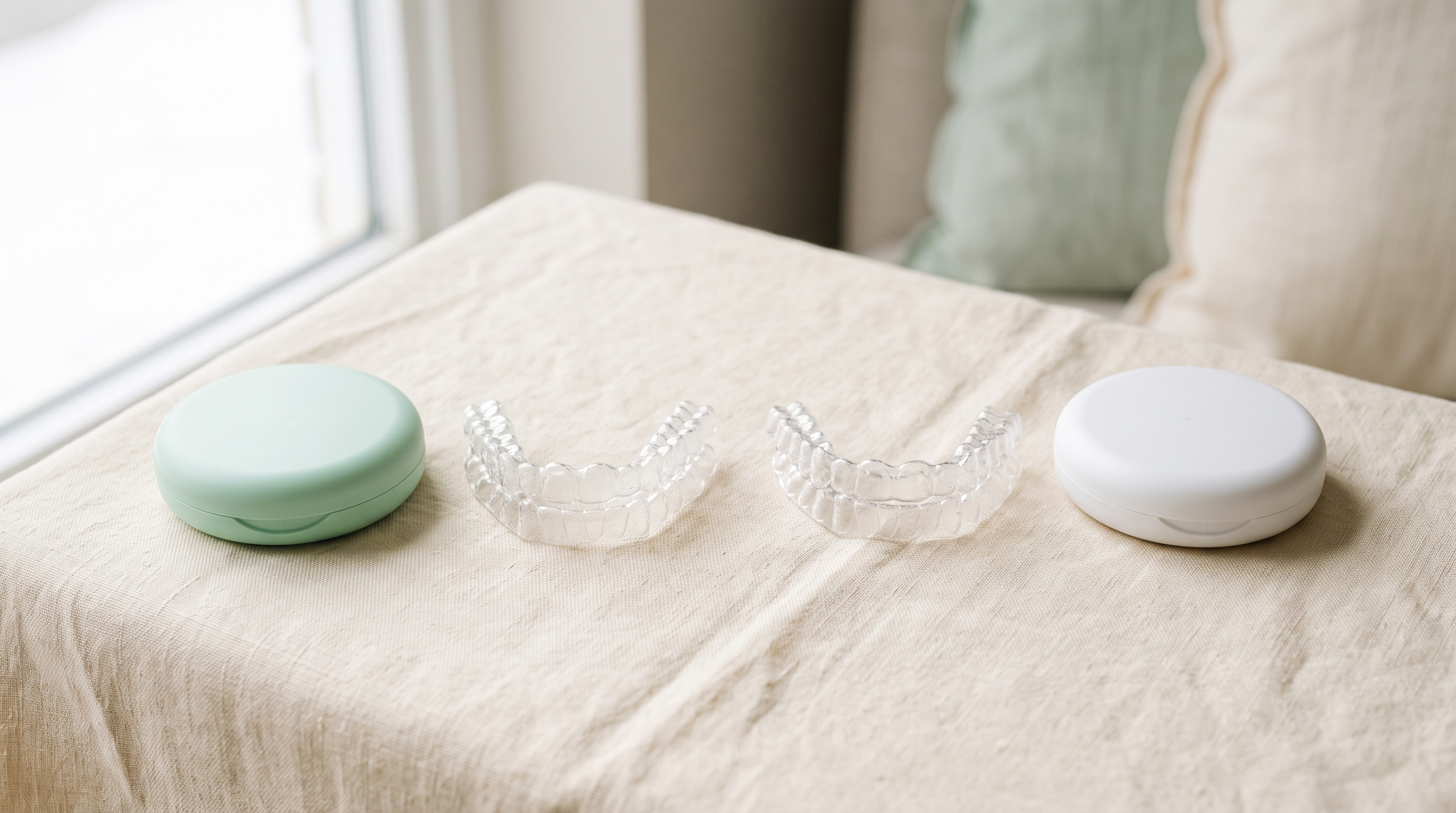
Here is the short version. Both are established, dentist-prescribed clear aligner systems. Invisalign is made by Align Technology, which created the category. ClearCorrect is owned by Straumann, a large dental company best known for implants. Both use a series of custom plastic trays, both rely on a clinician to plan and supervise the treatment, and both can treat a wide range of cases.
The real differences are smaller than the marketing suggests. What matters far more is who is planning your treatment and how closely they follow it.
What the Two Systems Have in Common
Before comparing details, it helps to see how much is shared:
- Prescribed and supervised by a dentist or orthodontist. Neither is a mail-order product. You have an exam, x-rays and a digital scan or impressions before anything is made.
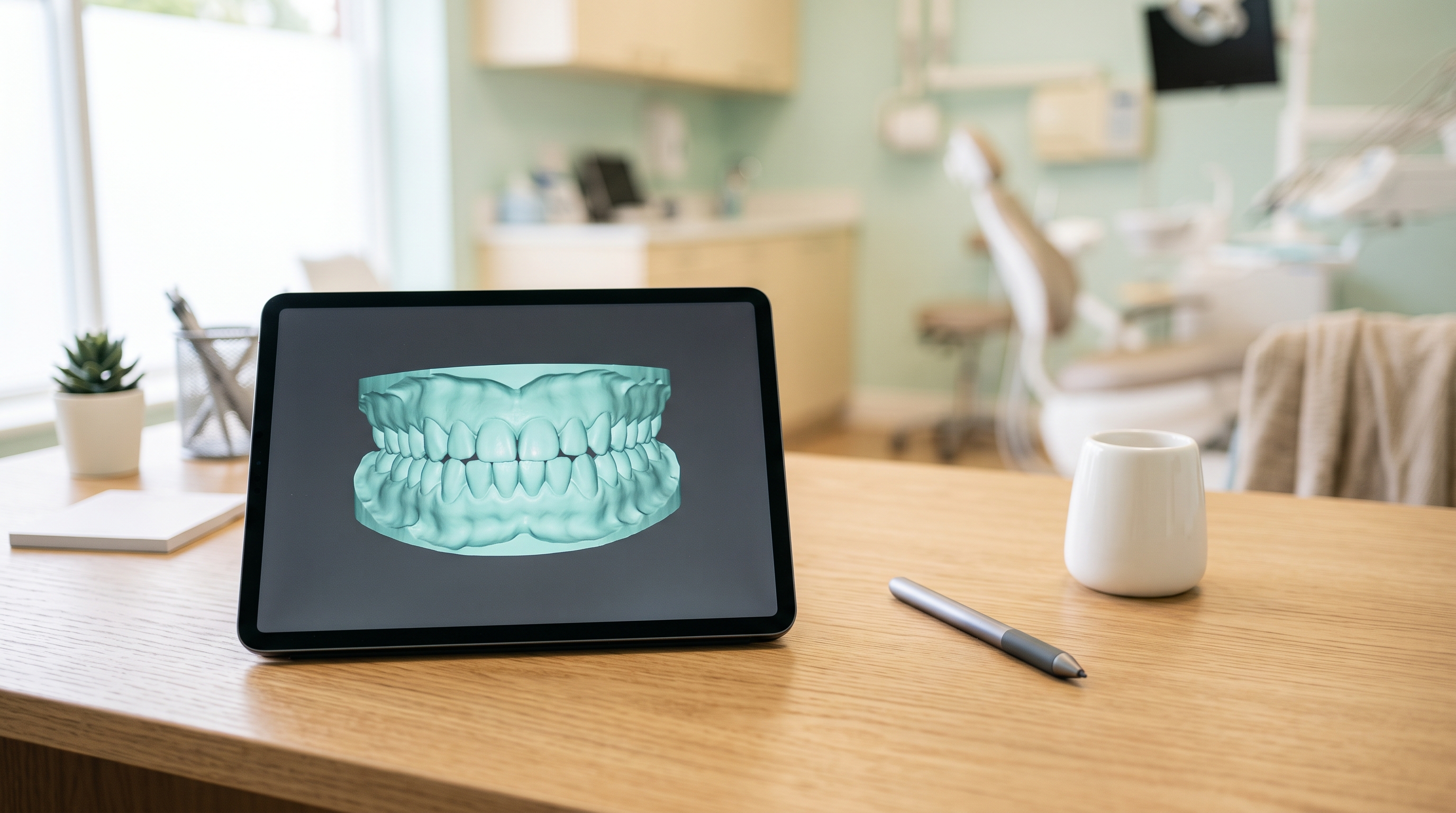
- Digitally planned. Your clinician uses the company's software to plan how each tooth should move, stage by stage, and can adjust that plan before the trays are made.
- A series of trays. You wear each set for a set period, commonly one to two weeks, for most of the day and night, usually around 20 to 22 hours.
- Attachments. Both systems use attachments, small tooth-coloured bumps of composite bonded to some teeth so the aligner can grip and push them more effectively.
- Refinements. If teeth have not tracked exactly to plan, the clinician can rescan and order additional trays, called refinements, to finish the job.
- Retainers at the end. Teeth tend to drift back after any orthodontic treatment, so you will need retainers either way.
If a practice offers either system properly, with an exam, a real treatment plan and regular check-ins, you are getting the same type of care.
Where Invisalign and ClearCorrect Differ
Material
Each company uses its own proprietary plastic. Invisalign trays are made from a material Align calls SmartTrack, designed to deliver gentle, steady force. ClearCorrect uses its own multi-layer material. Both companies say their plastics resist staining, fit closely and move teeth effectively. Independent head-to-head evidence on whether one material produces better outcomes is limited, so treat strong claims either way with caution.
Trim style
The edge of the aligner, where it meets your gums, can be cut differently. Invisalign trays have traditionally been trimmed along the scalloped line of the gums. ClearCorrect has offered trays that extend a little higher, past the gum line, which some clinicians feel gives extra grip and others find less comfortable or slightly more visible. Trim options have changed over time, so ask your provider which style your trays will have.
Attachments and features
Both systems offer a range of attachment shapes and features, such as small ridges or bite ramps, to help with particular movements. Align has a long history of developing these features and has a large library of them. ClearCorrect has been expanding its own. In practice, what matters is whether your clinician uses the features well for your specific case.
Refinements and replacement terms
This is where you most need to ask questions. Each brand sells several plan levels, from limited plans for minor movements to comprehensive plans with more trays and refinements included. What is included, such as how many refinements, for how long, and whether lost or broken trays are replaced free, depends on the plan level your provider chooses and on the practice's own policies. Two people with the same brand can have very different terms.
Provider availability
Invisalign is the more widely recognised name, and it is offered by a very large number of dentists and orthodontists. ClearCorrect is also widely available, but you may find fewer providers in some areas. If you might move during treatment, a brand with more providers can make transferring your care easier, though transfers are never seamless with either.
Price
Pricing is set by the practice, not the brand. Clinicians pay the manufacturer a lab fee and then build their own costs on top: exams, scans, appointments, refinements, retainers. ClearCorrect is sometimes priced a little lower, but not always, and a lower lab fee does not always reach your bill. Compare complete quotes, not brand names.
Head to Head
| Feature | Invisalign | ClearCorrect |
|---|---|---|
| Company | Align Technology | Straumann |
| Prescribed by a dentist or orthodontist | Yes | Yes |
| Planning | Digital, approved by your clinician | Digital, approved by your clinician |
| Tray material | Proprietary SmartTrack plastic | Proprietary multi-layer plastic |
| Trim style | Traditionally scalloped along the gum line | Has offered trays extending past the gum line; ask your provider |
| Attachments and auxiliary features | Yes, large library | Yes |
| Refinements included | Depends on plan level and provider | Depends on plan level and provider |
| Provider availability | Very wide | Wide, varies by area |
| Typical comprehensive cost | $4,000 to $8,000 | Similar range, sometimes lower |
| Typical limited or express cost | $1,800 to $3,500 | Similar range, sometimes lower |
| Retainers after treatment | Needed, $100 to $500 | Needed, $100 to $500 |
These are ranges, not quotes. Your location, the complexity of your case, how many refinements are included and what retainers are bundled all move them. For context, mail-order aligners run around $1,200 to $2,500 and traditional metal braces around $3,000 to $7,000. The aligners vs braces tool puts these side by side for your situation, and our Invisalign cost guide breaks down the main price drivers.
If you have dental insurance with an orthodontic benefit, it usually applies to either brand in the same way, often as a separate lifetime maximum.
Why the Clinician Matters More Than the Brand
Clear aligners only move teeth the way the plan tells them to. The software proposes a sequence, but it is your dentist or orthodontist who decides whether that sequence is realistic, where attachments go, whether teeth need a little space made between them, how to correct the bite, and when to step in if something is not tracking.
A skilled, experienced clinician with either brand will usually get a better result than a less experienced one with the other. Questions that tell you more than the brand name:
- How many aligner cases do you treat each year, and with which systems?
- Are you a general dentist or an orthodontist, and would you refer a case like mine?
- Will you show me the digital plan and explain what moves and why?
- How often will I come in for check-ins?
- How many refinements are included, and for how long?
- What happens if I lose or break a tray?
- Which retainers are included, and what do replacements cost?
- What happens if my teeth do not finish as planned?
Practices that answer these clearly and without pressure are usually the ones that plan carefully.
Complex cases
For crowding, spacing and mild bite issues, both systems are commonly used with good results. For more complex problems, such as significant bite discrepancies, large rotations or cases needing teeth to be pulled up or pushed down a lot, the clinician's judgement becomes even more important. Some cases are better treated with braces, or with a combination. An orthodontist is often the right person to assess these.
How to Choose Between Them
In most cases, you are really choosing a provider, not a plastic:
- Get an exam and a plan. Ask the practice which system it recommends for you and why.
- Compare complete quotes. Include exams, attachments, refinements, retainers and any replacement trays.
- Ask about terms. Refinement limits and treatment windows differ by plan level.
- Think about logistics. If you might move, check how easy it is to find another provider of that brand.
- Trust your sense of the practice. Clear explanations and realistic expectations matter more than the logo on the box.
If one practice offers Invisalign and another offers ClearCorrect, choose the clinician whose planning and follow-up you trust more.
Frequently Asked Questions
Is ClearCorrect as good as Invisalign? Both are established, clinician-prescribed systems that can treat a wide range of cases. Independent evidence clearly favouring one over the other is limited. The quality of the treatment plan and supervision usually makes the bigger difference.
Is ClearCorrect cheaper than Invisalign? Sometimes, but not reliably. The practice sets the price, and the lab fee is only part of it. Compare full quotes that include refinements and retainers rather than assuming one brand is cheaper.
Can I switch from Invisalign to ClearCorrect mid-treatment? It is possible in some cases, but it usually means a new scan, a new plan and new costs. Switching is normally only worth considering if you move or change providers. Talk to your clinician before deciding.
Do both systems use attachments? Yes. Both use small tooth-coloured bumps bonded to certain teeth to help the aligners grip and move them. They are removed and polished off at the end of treatment.
How long does treatment take with each brand? Treatment time depends on your case and how consistently you wear the trays, not on the brand. Mild cases may take a few months, more comprehensive cases often a year or more. Our guide on how long Invisalign takes covers what moves the timeline.
What to Do Next
Do not choose by brand. Book a consultation with a dentist or orthodontist who does a lot of aligner treatment, ask to see your digital plan, and get a written quote that lists what is included, especially refinements, replacement trays and retainers.
If you are still weighing up aligners against braces or mail-order options, run your situation through the aligners vs braces tool first. Then take your questions to the appointment and pick the clinician whose plan and follow-up make the most sense to you.
This article is for general information only and is not a substitute for professional dental advice. Always consult your dentist about your individual needs.