Why Do Teeth Turn Yellow With Age?
Why teeth yellow as you get older, which changes are normal, which ones point to something a dentist should look at, and what actually helps.
You catch your reflection in a photo from ten years ago and the difference is hard to unsee. Your teeth aren't dirty, you haven't changed how you brush, and yet the color has drifted. That drift is one of the most predictable changes in the human mouth, and most of it comes down to a structural shift that has nothing to do with hygiene. Here's what's actually happening, which changes are normal, which ones deserve a dentist's attention, and what genuinely helps.
Why Teeth Get Yellower as You Get Older
A tooth is not one solid material. The outer shell is enamel, the hardest substance in your body, and it's slightly translucent, like frosted glass. Underneath sits dentin, a softer layer that is naturally yellow.
Two things happen over the decades, and they push in the same direction.
Enamel gets thinner. Chewing, brushing, and acid from food and drink wear it down a little at a time. Thinner enamel is more see-through, so more of the yellow underneath shows.
Dentin gets thicker and darker. Teeth keep laying down new dentin on the inside throughout life, a process that continues quietly for decades. More dentin, less enamel covering it, and the tooth reads as yellower even though nothing has gone wrong.
That's the baseline. Everything else stacks on top of it.
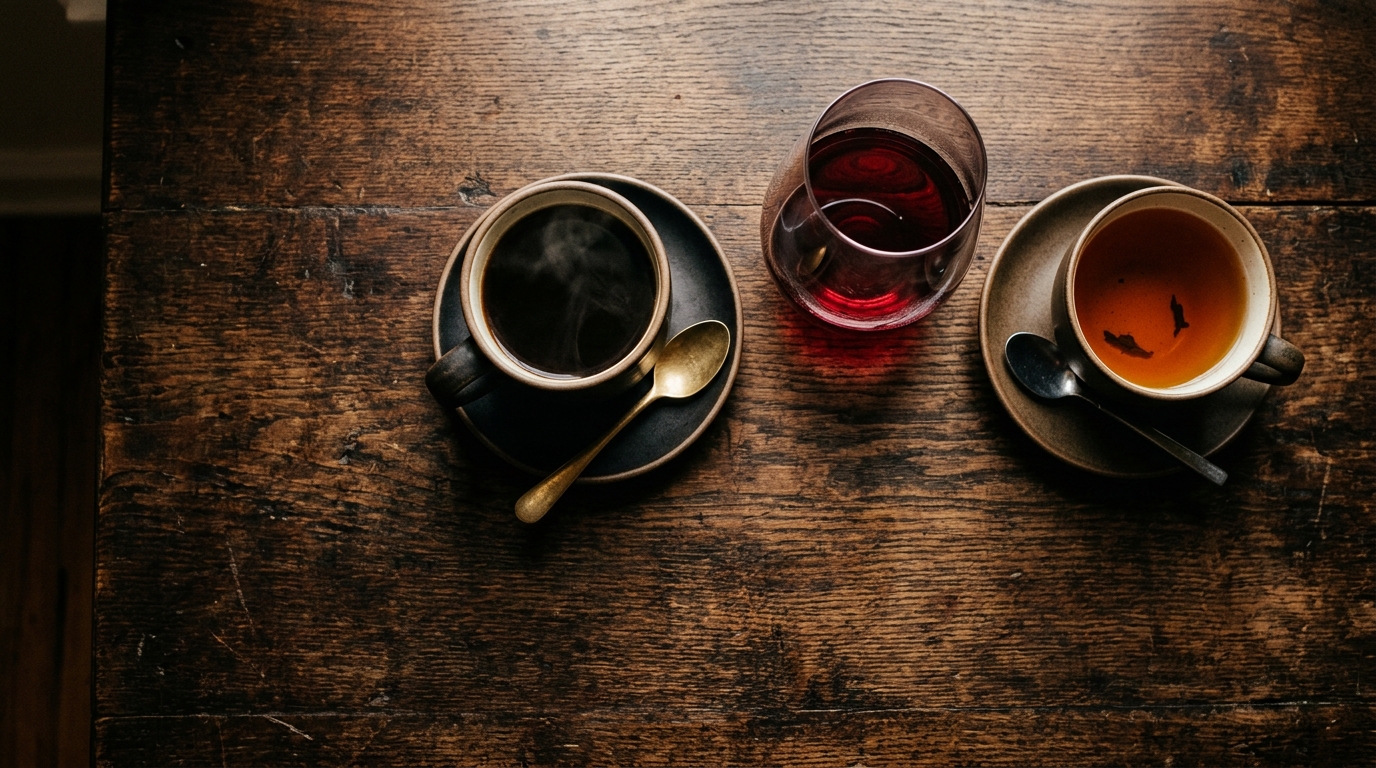
Surface staining builds up from coffee, black tea, red wine, dark sodas, tomato sauces, curry spices, and tobacco. These leave color on the thin protein film that coats enamel and settle into the microscopic grooves in the surface. Fifty years of morning coffee adds up.
Gum recession matters more than most people realize. As gums pull back with age or gum disease, they expose the root of the tooth. Root surface has no enamel on it at all, so it's naturally darker and yellower, and it stains more easily. This is often why the color looks worse near the gumline.
Grinding and clenching wear enamel at the biting edges. Worn edges look translucent or greyish while the body of the tooth looks yellower by contrast.
Acid from reflux, frequent citrus, sparkling water, sodas, or vomiting softens and thins enamel faster than normal chewing does.
Old dental work ages differently than teeth do. Tooth-colored fillings pick up stain and darken over the years. Crowns and veneers stay exactly the shade they were made, which can start to look off as the teeth around them change.
Medications and dry mouth. Some medicines reduce saliva, and saliva is what rinses and buffers your teeth all day. Less of it means more staining and more decay risk. Certain mouth rinses containing chlorhexidine cause brown staining with extended use, and some antibiotics taken during childhood, while teeth were still forming, cause a deep discoloration built into the tooth itself.
One thing worth saying plainly: naturally white teeth aren't the default. Healthy adult enamel has warm undertones, and shade varies between people the same way eye color does. A tooth can be perfectly healthy and not be bright white.
Common Signs to Watch For
Not all yellowing is the same, and the difference matters. Use this to compare against what you're actually seeing, not as a diagnosis of your own mouth.
| What you notice | Likely cause | Urgency | Home care or dentist? |
|---|---|---|---|
| Slow, even yellowing across all teeth | Thinning enamel, thicker dentin | Low | Home care, ask at next checkup |
| Brown or grey film on the fronts | Coffee, tea, wine, tobacco stain | Low | Home care plus a cleaning |
| Yellow band right at the gumline | Tartar buildup or exposed root | Moderate | See a dentist for cleaning |
| Teeth look yellower and gums bleed | Gum inflammation or gum disease | Moderate | See a dentist |
| One tooth darker than its neighbors | Nerve changes inside that tooth | Moderate to high | See a dentist |
| Yellowing plus cold or sweet sensitivity | Exposed dentin, erosion, recession | Moderate | See a dentist |
| Dark spot that catches floss or a toothpick | Possible decay | High | See a dentist promptly |
| Translucent, chipping edges | Grinding or acid erosion | Moderate | See a dentist |
| Fillings darker than the teeth around them | Aging composite material | Low | Discuss at next visit |
| Yellowing with pain, swelling, or bad taste | Infection | Urgent | Same-day dental care |
The pattern to hold on to: gradual, even, and painless is usually ordinary aging. Sudden, uneven, or accompanied by any symptom is the version that earns a phone call.
When to Stop Managing It at Home and Book a Visit
Yellowing on its own rarely counts as an emergency. What matters is whether it's traveling with something else. Book an appointment if any of these describe you.
- One tooth has darkened on its own, particularly if that tooth was ever knocked or injured, even years ago. A tooth that changes color independently of its neighbors can mean the nerve inside has been damaged. Whitening won't touch it, and it doesn't improve with waiting.
- The color change happened over weeks, not years. Age-related yellowing is slow. Anything fast has a different cause behind it.
- Your gums bleed, look puffy, or have pulled back. Gum disease and the root exposure that follows it change how your teeth look, and the underlying problem keeps progressing without treatment.
- A brown or black spot won't brush off, or floss keeps catching in one place. That combination points toward decay rather than staining.
- You have ongoing sensitivity to cold, heat, or sweet. Discoloration plus sensitivity often means dentin is exposed somewhere.
- Your teeth are chipping at the edges or look see-through at the tips. That's wear, and identifying the source matters before more enamel is lost.
- You've whitened repeatedly with no change. Discoloration that doesn't respond to bleaching is usually built into the tooth, and there are other approaches for it.
Treat these as urgent and seek care the same day: facial swelling, throbbing pain that keeps you awake, a bad taste or smell that won't clear, or a tooth that suddenly feels loose. Also worth prompt attention, and unrelated to color, is any sore, lump, or white or red patch anywhere in your mouth that hasn't healed in two weeks. That's a standard checkpoint dentists use, and getting it looked at early is straightforward.
What Actually Helps at Home
Plenty of everyday habits make a real difference, and a few popular ones quietly make things worse.
Worth doing:
- Brush twice daily with a fluoride toothpaste and a soft brush. Fluoride strengthens enamel, and soft bristles clean just as well as hard ones without scrubbing enamel away.
- Ease off the pressure. Aggressive brushing wears enamel and pushes gums back, both of which make teeth look yellower. Let the bristles do the work.
- Wait after anything acidic. Enamel is temporarily softened after citrus, soda, wine, or sparkling water. Rinse with plain water and give it 30 to 60 minutes before brushing.
- Rinse or sip water after staining drinks. It costs nothing and it stops color from settling in.
- Use a straw for iced coffee and dark sodas. Less contact with the front of your teeth.
- Clean between your teeth daily. Stain and plaque collect where a brush never reaches, and those shadowed gaps darken the overall look.
- Keep up professional cleanings. Tartar can't be brushed off once it hardens, and a scale and polish sometimes removes enough surface stain that nothing else is needed.
- Deal with dry mouth. Sip water, chew sugar-free gum, and mention it to your dentist or doctor if a medication seems to be the cause.
- Stop smoking and vaping. Tobacco staining is stubborn, and it affects gum health as well as color.
Worth skipping:
- Abrasive DIY pastes. Baking soda mixed with lemon juice, crushed charcoal, and similar recipes scrub the surface while acid softens it. They can lighten things briefly and thin the enamel permanently, which leaves teeth yellower in the long run.
- Random hydrogen peroxide swishing. Concentration matters, and guessing at it irritates gums.
- Back-to-back whitening kits. Overuse causes sensitivity and gum irritation without adding much brightness.
On whitening toothpaste: most of it works by mild polishing, so it lifts surface stain reasonably well and does nothing to the underlying color. That's a fair result for the price, as long as you know what you're buying. The ADA Seal of Acceptance on the box is a useful filter.
What a Dentist Might Suggest
The right option depends entirely on why your teeth are yellow, which is the real reason an exam comes before any treatment.
- A professional cleaning. For stain and tartar, this alone sometimes handles it, and it's the cheapest thing on the list.
- Take-home whitening trays. Custom trays plus gel worn over one to two weeks. Effective on general age-related yellowing, and the trays get reused for touch-ups for years.
- In-office whitening. Stronger gel, gum protection, results in a single visit. Useful when there's a deadline or when home kits haven't done enough.
- Internal whitening. For a single dark tooth that has had a root canal, gel can be placed inside the tooth rather than on the outside.
- Bonding. Tooth-colored resin shaped over worn or discolored areas, often used at the gumline where roots are exposed.
- Veneers. Thin ceramic facings for discoloration that's built into the tooth and doesn't respond to bleaching.
- Replacing old fillings or crowns. Once natural teeth are lightened, mismatched restorations often need remaking to match.
- A night guard. If grinding is wearing the edges thin, protecting what's left comes before any cosmetic work.
- Fluoride varnish or desensitizing treatment. For exposed roots that are sensitive as well as darker.
- A referral. Persistent reflux is a medical issue as much as a dental one, and treating it protects enamel.
Two honest expectations. Whitening does not change crowns, veneers, bonding, or tooth-colored fillings at all. And age-related yellowing usually lightens partially rather than completely, because part of it comes from the tooth's structure rather than from stain sitting on it.
Keeping It From Getting Worse
You can't stop your teeth from laying down dentin, and you can't undo enamel that's already gone. What you can do is slow the process from here.
- Protect enamel from acid: limit how often acidic drinks touch your teeth, and drink them with meals rather than sipping all afternoon.
- Keep your gums healthy so roots stay covered. Daily cleaning between teeth does more for this than any product.
- Get grinding assessed if you wake with a sore jaw or notice flattening edges.
- Space out whitening. Touch-ups every 6 to 12 months hold a result better than binge cycles.
- Keep regular checkups and cleanings, which catch wear, recession, and decay while they're small.
- Have old restorations reviewed periodically rather than waiting until they look obviously off.
None of that returns your teeth to the shade in a twenty-year-old photo, and that's a reasonable thing to accept. Slowing the drift and lifting the stain that sits on top of it usually gets people most of the way to what they wanted.
Frequently Asked Questions
Is it normal for teeth to yellow as you age?
Yes, and it happens to nearly everyone. Enamel thins with decades of use while the yellow dentin underneath gets thicker, so more of that color shows through. Gradual, even yellowing across all your teeth with no pain and no bleeding gums is the ordinary version. Sudden changes, single dark teeth, or color changes with symptoms are the ones worth having checked.
Can yellow teeth be a sign of something serious?
Yellowing by itself usually isn't. The concern is what comes with it. Bleeding or receding gums, a tooth that darkens on its own, a spot that catches floss, ongoing sensitivity, or pain and swelling all point to problems that need treatment rather than cosmetic attention. Color change plus any symptom is the signal to book a visit.
Will whitening work on age-related yellowing?
Usually yes, but partially. Whitening gel breaks down stain molecules inside the tooth, and it does that well. What it can't do is add back enamel thickness or reverse the dentin changes underneath, so the result is a lighter version of your natural color rather than a reset. A dentist can look at your teeth and tell you roughly how much movement to expect before you spend anything.
Why are my teeth yellow near the gumline but not at the tips?
Two common reasons. Tartar and stain collect along the gumline where brushing is least thorough, and that band can be cleaned off professionally. The other reason is gum recession exposing the root, which has no enamel and is naturally darker. If gums have pulled back, whitening won't even out that area, so it's worth having someone look at it before you start.
Does whitening toothpaste actually work on yellow teeth?
It removes surface stain through gentle polishing, so teeth often look cleaner and slightly brighter after a few weeks. It doesn't change the underlying color of the tooth, which is what's driving most age-related yellowing. It's a decent maintenance product and a poor substitute for whitening gel if you want a real shade change.
This article is for general information only and is not a substitute for professional dental advice. Always consult your dentist about your individual needs.