Why One Tooth Has Turned Dark, and How It's Fixed
Why a single tooth turns grey, brown or pink while the rest stay the same, what each colour usually means, and why whitening alone will not fix a tooth that has died.
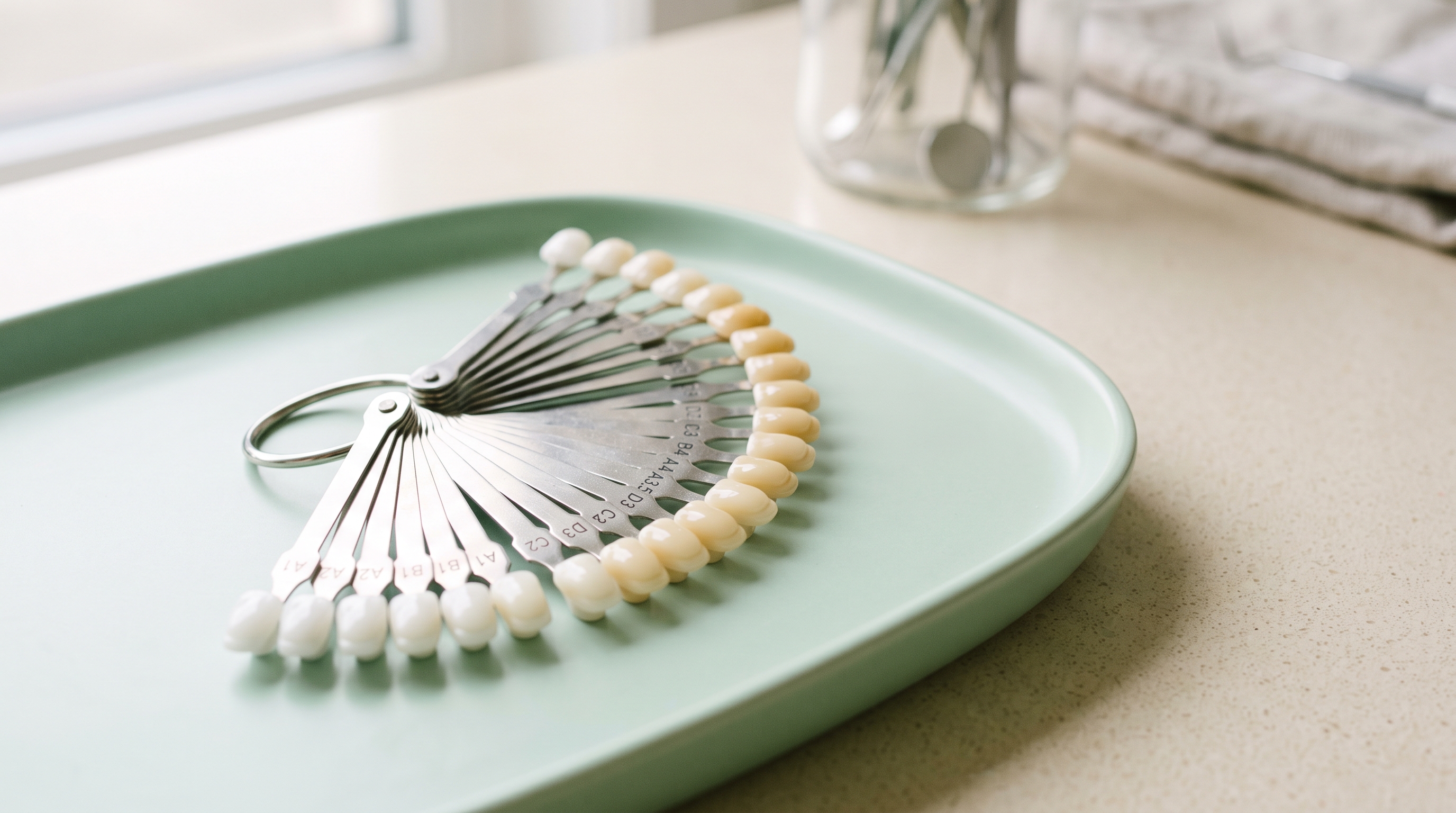
You catch sight of it in a photo or the bathroom mirror: one tooth that looks greyer, browner or duller than the ones beside it. The rest of your smile is fine. It is just that one.
A single dark tooth is a different problem from a whole smile slowly turning yellow. General yellowing usually comes from surface stain and thinning enamel, and it affects every tooth a little. When only one tooth changes colour, the cause is almost always something that happened to that tooth specifically, and often something happening inside it.
The good news is that nearly every cause can be treated, and many dark teeth can be brought back close to their neighbours. The important part is finding out why it changed first, because the right fix depends entirely on the cause.
The Most Common Reason: An Old Knock
The most frequent cause of one tooth turning grey is an injury, sometimes one you barely remember. A fall as a child, a ball to the face, a bump on a glass, a sports collision years ago. The tooth may not have chipped or hurt much at the time.
Inside every tooth is the pulp, the soft core of nerve and blood vessels that keeps the tooth alive. A hard knock can damage those blood vessels. Sometimes they recover. Sometimes the pulp slowly dies over months or even years, and the tooth gradually turns grey, dark yellow or almost black.
There are two related processes here:
- Bleeding inside the tooth. Right after an injury, blood can leak into the tiny tubes that run through the tooth. As it breaks down, it stains the tooth from the inside, a bit like a bruise that cannot fade. Sometimes this goes pinkish at first and then grey.
- A dying or dead nerve. When the pulp dies, the tissue breaks down inside the tooth and the colour shifts toward grey or brown. Dentists call this pulp necrosis, which simply means the nerve has died.
A tooth with a dead nerve may never hurt. Some do, and some later develop an infection at the root tip, which can cause swelling, a bad taste or a pimple on the gum. That is why a tooth that darkens after an injury needs checking even when it feels completely fine.
Other Causes of a Single Dark Tooth
A tooth that has had a root canal
Root canal treatment removes the pulp and seals the inside of the tooth. Teeth treated this way can darken over the years, especially if some pulp tissue or blood was left in the crown of the tooth, or if certain older filling materials were used. A treated tooth also loses some of its translucency, so it can look duller even without a strong colour change.
Old metal fillings
Silver coloured amalgam fillings can show through the enamel, giving a tooth a grey or blue grey tinge, particularly on thinner teeth. Over time the metal can also stain the tooth around the filling. This is usually cosmetic rather than a sign of anything wrong.
Decay
A cavity can show as a brown or dark spot, or as a shadow beneath the enamel. Decay under an existing filling can make the whole tooth look darker around the edges. Unlike the causes above, decay is an active problem that keeps getting worse until it is treated.
Stain in a crack or worn filling edge
Fine cracks and the edges of old tooth coloured fillings can pick up stain from coffee, tea, red wine or smoking. This usually looks like a dark line rather than a whole tooth changing colour.
Internal resorption, the rare pink tooth
Very occasionally, the body starts breaking down the tooth from the inside, a process called internal resorption. As the tooth wall thins, the pulp tissue shows through and gives the tooth a pink tinge. It is uncommon, often painless and needs prompt assessment, because the earlier it is caught the more likely the tooth can be saved.
What the Colour Usually Tells You
Colour alone cannot diagnose a tooth, and only an exam and x-ray can confirm the cause. But it gives a useful first clue.
| Colour clue | Likely cause | Usual fix |
|---|---|---|
| Grey, darkening slowly over months | Dying or dead nerve after an old injury | Root canal treatment, then internal bleaching, a veneer or a crown |
| Pinkish, then grey, soon after a knock | Bleeding inside the tooth | Monitoring with x-rays; root canal if the nerve does not recover |
| Grey or brown on a tooth with a past root canal | Discoloration of a treated tooth | Internal bleaching, veneer or crown |
| Grey or blue grey near a filling | Metal filling showing through | Replacing the filling with tooth coloured material |
| Brown or dark spot, or a shadow | Decay | Filling, or more if the decay is deep |
| Thin dark line | Stain in a crack or filling edge | Polishing, bonding, or checking the crack |
| Pink patch in the middle of the tooth | Internal resorption (rare) | Prompt assessment, usually root canal treatment |
Why Normal Whitening Will Not Fix It
It is natural to reach for a whitening kit. For a single dark tooth, this usually disappoints.
Ordinary whitening, whether strips, trays or an in-office session, works on the outside of the tooth. It lightens stain in the enamel and the layer just below it. When the colour is coming from inside the tooth, from old blood or a dead pulp, a surface gel cannot reach it well enough. Worse, whitening the rest of your teeth can make the dark one stand out even more.
If the cause is a filling, whitening will not change the filling either: fillings, crowns and veneers do not bleach. If you want the background on how whitening works and what it can realistically do, our guide to teeth whitening that works covers it.
How a Single Dark Tooth Is Fixed
Step one: check the tooth is healthy
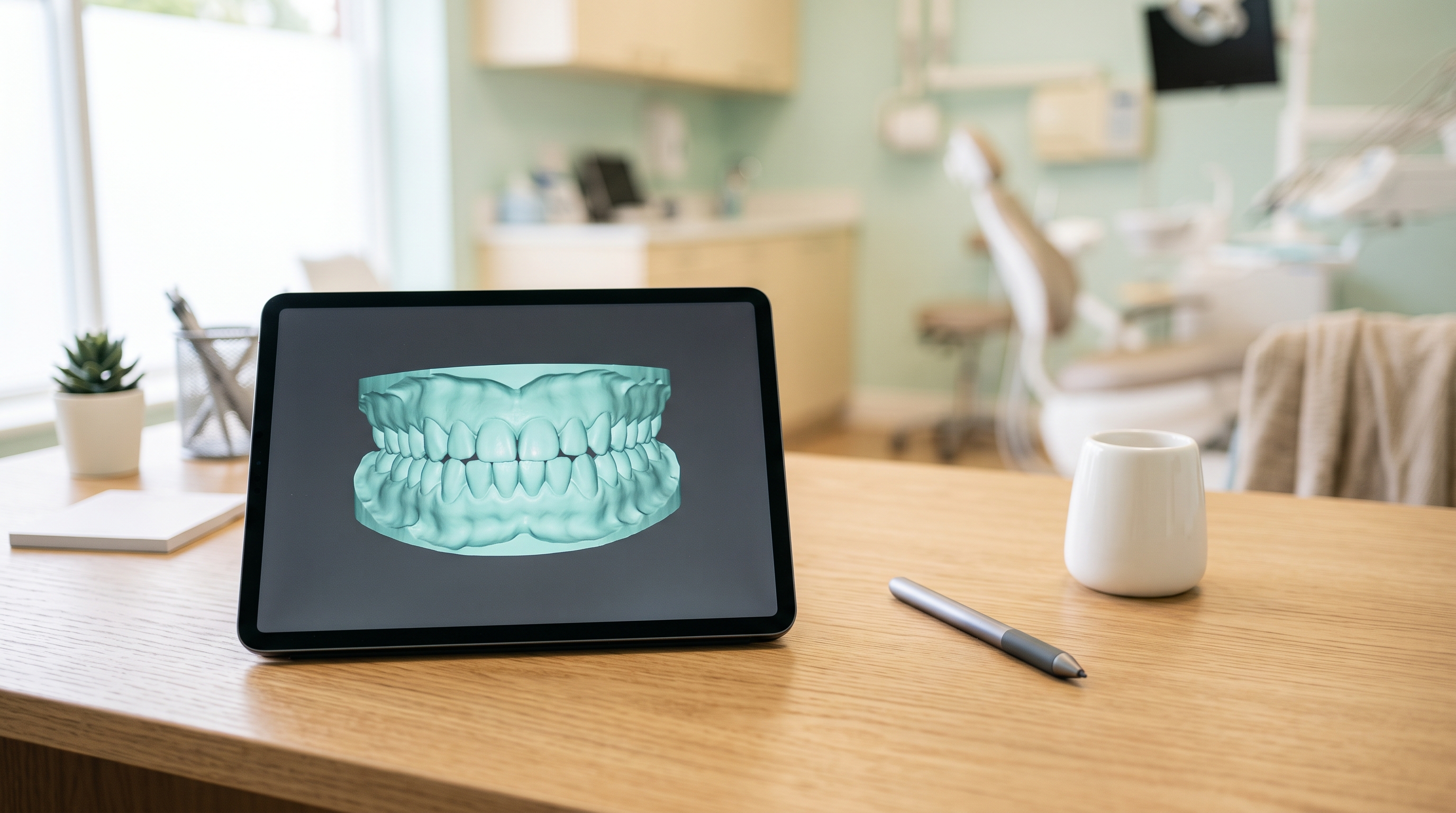
Before anything cosmetic, your dentist will want to know whether the nerve is alive. This usually means an x-ray and simple tests of how the tooth responds to cold or a gentle electric stimulus. If the nerve has died, or there is infection at the root, a root canal comes first. Bleaching or covering an infected tooth only hides the problem.
Internal bleaching
For a tooth that has had a root canal, internal bleaching (sometimes called walking bleach) can work very well. The dentist places a whitening agent inside the tooth, through a small opening at the back, and seals it in. It is changed over a few visits until the colour matches. This lightens the tooth from where the stain actually is, and it keeps all of your natural tooth.
It does not work for every tooth, the colour can drift back a little over the years, and it can be repeated. Ask your dentist whether it suits your tooth before moving to anything that removes enamel.
Bonding or a veneer
When bleaching cannot lift the colour enough, or the tooth also has chips or old fillings, it can be covered. Composite bonding adds tooth coloured resin to the front. A veneer is a thin shell bonded to the front surface. Very dark teeth can be tricky to mask with a thin layer, so the dentist may combine internal bleaching first with a veneer afterward.
| Option | Typical US range |
|---|---|
| Direct composite veneer | $250 to $1,500 per tooth |
| Lab-made composite veneer | $400 to $1,800 per tooth |
| Traditional porcelain veneer | $900 to $2,500 per tooth |
| Single crown | $1,000 to $2,500 per tooth |
| Root canal, front tooth | $700 to $1,300 per tooth |
These are ranges, not quotes. Location, materials, the complexity of your tooth and whether a specialist is involved all move the figure. You can run your own numbers in the dental cost calculator.
A crown
A crown covers the whole tooth. It is usually the choice when a darkened tooth is also heavily filled, weakened or cracked, which is common for back teeth after a root canal. For a front tooth with plenty of healthy structure left, a less invasive option is usually tried first. Our comparison of veneers and crowns explains how dentists choose between them.
Replacing a filling
If the grey comes from an old metal filling, replacing it with a tooth coloured one may be all that is needed, as long as the tooth beneath is sound.
When a Dark Tooth Needs Seeing Soon
Most dark teeth are not emergencies, but some signs mean you should book promptly rather than waiting for your next checkup:
- The tooth darkened after a recent knock, even if it does not hurt.
- There is swelling in the gum, face or jaw.
- You have a bad taste, or a small pimple on the gum near the tooth.
- The tooth hurts when you bite, or throbs on its own.
- You notice a pink patch.
Facial swelling that is spreading, or swelling with a fever, needs care the same day. If you are not sure how urgent your symptoms are, the tooth pain checker screens for emergency signs first.
Frequently Asked Questions
Can a dead tooth turn white again on its own? No. Once the colour comes from breakdown inside the tooth, it does not reverse by itself. A tooth that has gone slightly pink or grey straight after an injury can sometimes recover if the nerve survives, which is why dentists often monitor these teeth for a while.
Does a grey tooth always mean it is dead? Not always. A metal filling showing through, or a tooth that has had a root canal, can look grey too. Only tests and an x-ray can tell whether the nerve is alive.
Is a dead tooth dangerous if it does not hurt? It can become infected without warning, and infection at the root can damage the bone around it. That is the main reason to have it checked even when it is comfortable.
Will whitening strips help one dark tooth? Usually very little, because the stain sits inside the tooth. They can also brighten the teeth around it and make the difference more obvious.
How long does internal bleaching last? It often holds well for years, though the colour can slowly drift darker again. When it does, it can usually be repeated, or the tooth can be covered with a veneer at that point.
What to Do Next
Book an exam rather than trying to fix the colour at home. Mention when you first noticed the change, and any knock to your mouth you can remember, even from years ago. Ask your dentist whether the nerve is alive, what is causing the colour, and whether internal bleaching is an option before anything that removes enamel. Once you know the cause, compare the cosmetic options and their costs at your own pace.
This article is for general information only and is not a substitute for professional dental advice. Always consult your dentist about your individual needs.