Mouthwash Guide: Which Type, and When to Use It
Cosmetic rinses mask, therapeutic rinses do something. Here is what fluoride, chlorhexidine, and alcohol free mouthwashes are actually for, and when a rinse is the wrong answer.
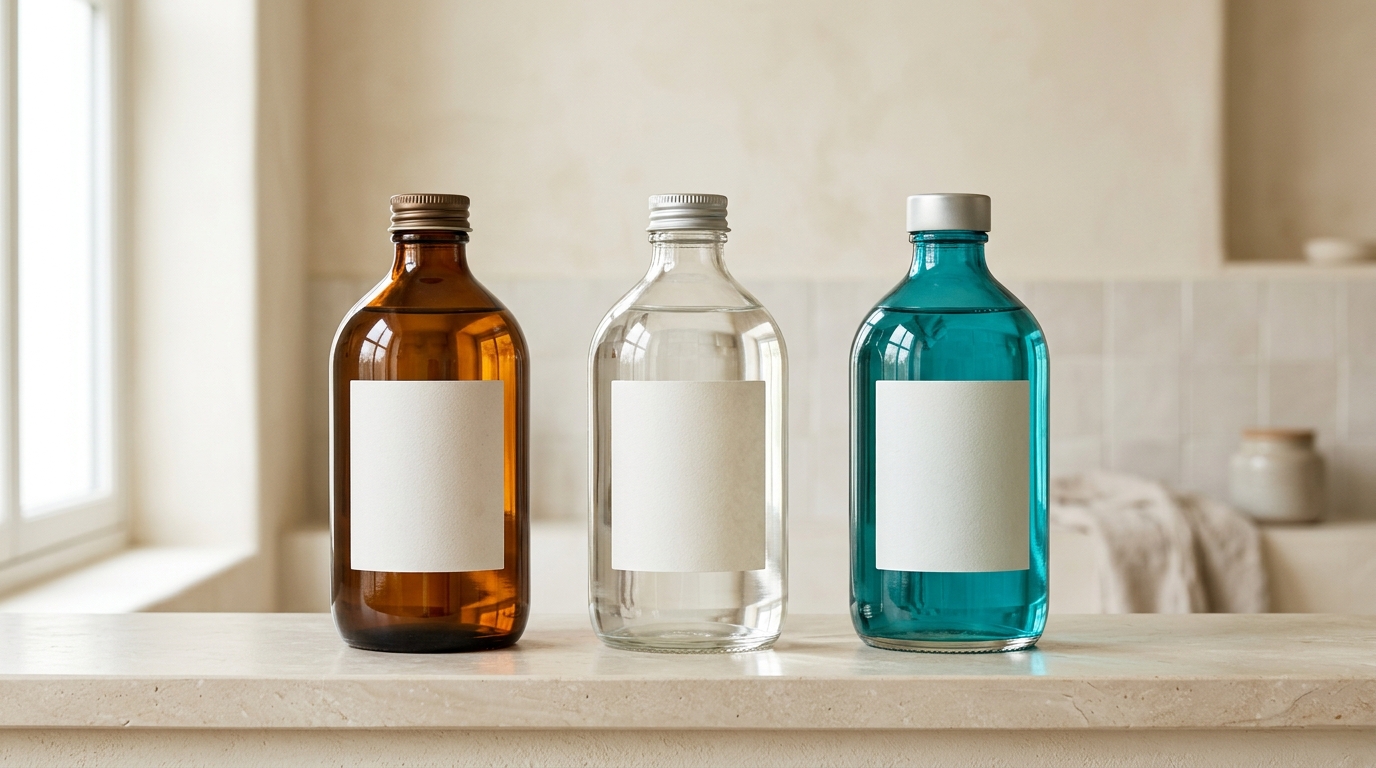
There are twenty bottles on the shelf in four colors, and the words on them are all some combination of total, complete, protect, and fresh. None of that tells you what is inside.
Or you have a bottle your dentist handed you after a procedure, with no clear instruction about how long to keep using it, and you have been using it for four months because nobody said to stop.
Mouthwash is a genuinely useful category with a small number of genuinely useful products in it. Most of the shelf is flavored water with a bit of alcohol. The trick is knowing which problem you are solving, because the right rinse for gum inflammation is not the right rinse for decay risk, and neither is the right rinse for breath.
Cosmetic or Therapeutic: the Distinction That Matters
Every mouthwash falls into one of two groups, and the label rarely says which.
A cosmetic rinse freshens breath and tastes pleasant. It has no active ingredient with a lasting effect on plaque, gums, or decay. It buys you somewhere between twenty minutes and a couple of hours of better breath, and then things are exactly as they were.
A therapeutic rinse contains an active ingredient that changes something measurable: fluoride for decay resistance, an antiseptic for the bacteria that inflame gums, or a compound aimed at odor at the source. It is doing pharmacology, not perfume.
To tell them apart, turn the bottle around and read the active ingredients. If it lists sodium fluoride, chlorhexidine gluconate, cetylpyridinium chloride, stannous fluoride, hydrogen peroxide, or a set of essential oils such as eucalyptol, thymol, menthol, and methyl salicylate, it is therapeutic. If the list is water, alcohol, sweetener, and flavor, it is cosmetic. Both are legitimate products. Just know which one you paid for.
The Rinse Types, Side by Side
| Type of rinse | Active ingredient | What it is genuinely for | How long to use it |
|---|---|---|---|
| Cosmetic breath rinse | Flavor, sometimes zinc | Short term freshening before a meeting or a date | As often as you like, no benefit beyond breath |
| Fluoride rinse | Sodium fluoride | Extra decay protection for higher risk mouths | Daily, long term, if you need it |
| Chlorhexidine | Chlorhexidine gluconate | Short bursts of strong plaque control after surgery or infection | Usually a couple of weeks, as directed |
| Essential oil rinse | Eucalyptol, thymol, menthol, methyl salicylate | Reducing plaque and gum inflammation alongside brushing | Daily, long term |
| CPC rinse | Cetylpyridinium chloride | Plaque, gum inflammation, and odor causing bacteria | Daily, long term |
| Hydrogen peroxide rinse | Dilute hydrogen peroxide | Short courses for irritated or infected gum tissue | Short term only, as directed |
| Salt water | Salt | Soothing sore tissue and gentle cleaning after an extraction | Days, as needed |
| Alcohol free versions | Same actives, no ethanol | Anyone with a dry, sore, or sensitive mouth | Same as the version with alcohol |
Rinses generally run from roughly $4 to $12 for a supermarket bottle, with prescription chlorhexidine typically in the range of about $10 to $30 depending on your coverage. These are ranges rather than quotes, and location, pharmacy, bottle size, and insurance move them.
Fluoride Rinses: Who Actually Needs One
A fluoride rinse is a low concentration fluoride solution, usually sodium fluoride, that adds one more daily exposure on top of your toothpaste. The daily versions are weaker and used every day. Stronger versions exist for weekly use, and your dentist will tell you which pattern suits you.
It is not for everyone. Most people with sound teeth get everything they need from fluoride toothpaste. It earns its place if you are getting cavities repeatedly, have a dry mouth from medication or medical treatment, have gum recession that leaves root surfaces exposed, wear braces, have a lot of crowns and fillings with margins to protect, or graze on sugary or acidic drinks through the day.
The one rule that makes the difference: use it at a separate time from brushing. Rinsing straight after you brush washes away the more concentrated fluoride you have just applied. Pick a different moment, after lunch or in the afternoon, and do not eat or drink for about half an hour afterward. And rinses are generally not recommended for children under six, who are likely to swallow them.
Chlorhexidine: Strong, Useful, and Deliberately Short Term
Chlorhexidine gluconate is an antiseptic that is very effective at suppressing the bacteria in dental plaque. What sets it apart from other rinses is that it sticks to the surfaces of your mouth and keeps releasing slowly for hours after you spit, which is why it does more than a rinse that simply washes past.
It is the right tool in specific circumstances: after gum surgery or an extraction, during an acute gum infection, around an inflamed flap of gum over a partly erupted wisdom tooth, when a jaw injury or a hand injury makes ordinary brushing impossible for a while, or as support during treatment for advanced gum disease.
It is deliberately not a long term product, and this is where people go wrong with it. Extended use causes brown staining on teeth, tongue, and the edges of fillings, and although a hygienist can polish that off, it is unpleasant to live with. It also alters taste, sometimes for the duration of the course, and it can increase the rate at which tartar builds up. Some people get irritation of the soft tissue, and allergic reactions, though rare, do happen.
Two practical points. First, chlorhexidine is inactivated by the detergent in most toothpaste, so leave about thirty minutes between brushing and rinsing rather than using them back to back. Second, it suppresses bacteria, it does not remove the film they live in. It supports mechanical cleaning during a difficult period. It never replaces it.
If you were given a bottle and nobody told you when to stop, that is worth a phone call rather than an indefinite habit.
Alcohol or Alcohol Free?
Alcohol in mouthwash is mostly there as a solvent to hold the other ingredients in solution and as a preservative. It also produces the sting that many people read as proof the product is working. It is not proof of anything. Alcohol free formulations with the same actives do the same job.
Choose an alcohol free version if your mouth is dry, if you get recurrent mouth ulcers or have sensitive oral tissue, if you take medication that dries the mouth, if you are recovering from a procedure, if you are in recovery from alcohol dependence, or simply if the burn puts you off using it at all.
On the question of whether alcohol containing mouthwash raises the risk of oral cancer: this has been looked at for decades, the findings are mixed, and the studies are difficult to untangle because heavy mouthwash users are more likely to also smoke and drink. There is no settled consensus that ordinary use causes harm. There is also no benefit you would lose by switching, so if the question bothers you, buy the alcohol free bottle and stop thinking about it.
Do not use alcohol containing rinses with young children, who may swallow them.
When a Rinse Is Not the Answer
This is the section most bottles would prefer you skipped.
- Straight after brushing. Rinsing with anything, including water, washes off the fluoride your toothpaste just deposited. Spit and stop. Use a rinse at another time of day.
- Instead of cleaning between your teeth. Liquid does not disrupt a sticky bacterial film at the contact point between two teeth. Nothing you swish will do the job of floss, interdental brushes, or a water flosser.
- For gums that bleed every time. A rinse can reduce inflammation enough to hide the bleeding while the tartar under the gum stays exactly where it was. If your gums bleed, you need a clean and an assessment, not a stronger bottle.
- For persistent bad breath. Odor mostly comes from bacteria on the back of the tongue and in gum pockets. Rinsing masks it, and masking is a timer, not a fix. The causes of bad breath are worth reading about separately.
- To whiten teeth. Whitening rinses have brief contact with the tooth. Expect very little.
- For a taste that keeps coming back, a sore spot, or an ulcer that has not healed in a couple of weeks. Those want examining, not covering.
How to Use a Mouthwash So It Does Something
Measure it with the cap rather than guessing, and do not dilute it unless the label tells you to. Swish for the time on the label, usually thirty seconds to a minute, which is longer than it sounds. Spit it out, do not swallow, and then leave your mouth alone for about half an hour so the active ingredient has contact time.
Use one rinse at a time rather than layering two, since some of them interfere with each other. Fit it into a gap in your day rather than immediately after brushing. And if the rinse stings, dries your mouth, or stains, that is information: change product rather than pushing through.
Frequently Asked Questions
Do I actually need to use mouthwash?
Most people with healthy teeth and gums do not. Brushing with fluoride toothpaste twice a day and cleaning between your teeth once a day covers the fundamentals. A rinse is worth adding when there is a specific reason: high decay risk, gum inflammation, braces, dry mouth, or a period when normal cleaning is difficult.
Why did my dentist tell me to stop the mouthwash they prescribed?
Almost certainly chlorhexidine, which is meant for short courses. Beyond a couple of weeks it starts staining teeth brown, dulling taste, and encouraging tartar, and the benefit no longer justifies that. It is a treatment for a defined period, not a daily habit.
Is alcohol free mouthwash less effective?
No, provided the active ingredients are the same. The alcohol is largely a solvent and preservative, and the burning sensation is not a measure of anything. For a dry or sore mouth, alcohol free is the better choice.
Can mouthwash replace brushing or flossing?
No. Plaque is a film attached to the tooth, and removing it takes physical contact from bristles, floss, or an interdental brush. Rinses reduce the bacteria around that film and can calm inflamed gums, but a mouth that is only rinsed is not a clean mouth.
Is it bad to use mouthwash every day?
Daily use of a fluoride, essential oil, or CPC rinse is fine for most people, as long as it is not replacing brushing and not being used immediately after it. Daily long term chlorhexidine is the exception, and that one needs a dentist's direction.
Which mouthwash is best for gum disease?
For active disease, none of them on their own. Professional cleaning removes what causes it, and an antiseptic rinse supports the healing period afterward. Chlorhexidine is typically used short term around treatment, with an essential oil or CPC rinse for longer term daily support. Which one suits you depends on how advanced things are, so ask at your appointment.
What to Do Next
Pick up the bottle you own and read the active ingredients. If there are none, you have bought breath freshener, which is fine as long as you know that is what it is.
Then match the rinse to the actual problem. Repeated cavities, ask about a daily fluoride rinse and use it away from brushing. Inflamed gums, book a clean first and treat the rinse as support. Bad breath, start with the back of your tongue rather than the bottle. Recovering from a procedure, follow the instructions you were given, including the stop date.
And if you have been on chlorhexidine for longer than a couple of weeks without anyone reviewing it, call the office that gave it to you. That is a two minute conversation that saves you a set of stained teeth.
This article is for general information only and is not a substitute for professional dental advice. Always consult your dentist about your individual needs.