Oil Pulling: What the Evidence Actually Says
Oil pulling is not dangerous for most people, but the strong claims made for it are not supported. Here is what the research shows, what it cannot do, and how to try it safely.
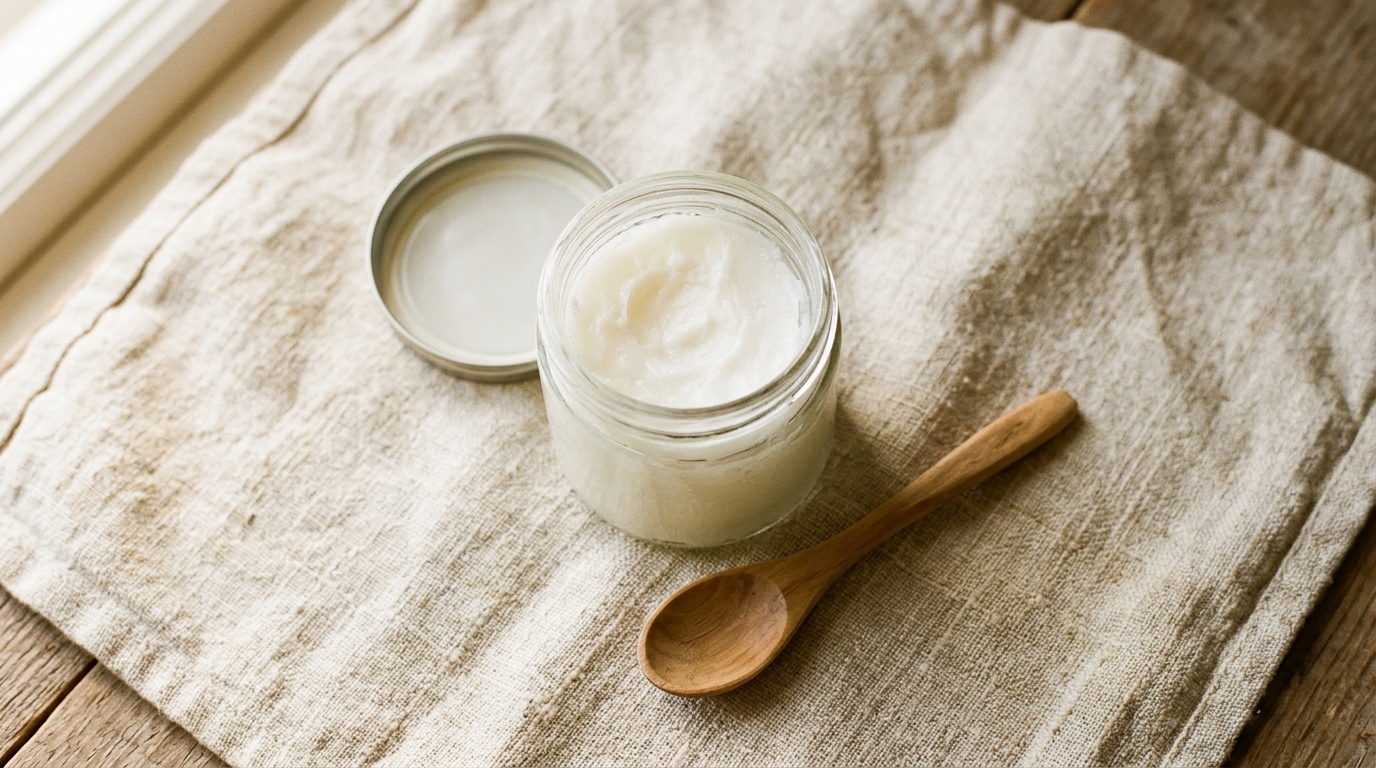
Someone you trust swears by it. A tablespoon of coconut oil, fifteen or twenty minutes of swishing while you get ready in the morning, and the claims that follow range from reasonable to remarkable: fresher breath, whiter teeth, healed cavities, toxins drawn out of the body.
You want to know which parts of that are real before you spend twenty minutes a day on it.
Here is the fair version. Oil pulling is an old practice, it is unlikely to hurt you if you do it sensibly, and the mildest claims made for it are at least plausible. The strong claims are not supported, and treating it as a substitute for brushing or for dental treatment is where people genuinely get into trouble.
What Oil Pulling Actually Is
Oil pulling comes from traditional Ayurvedic medicine, where holding or swishing oil in the mouth is a long standing practice. The modern version is simple: put a teaspoon or tablespoon of edible oil in your mouth, swish it between your teeth for somewhere between five and twenty minutes, then spit it out.
Coconut oil is the most popular choice now, largely because of its taste and its lauric acid content, a fatty acid with some antimicrobial activity. Sesame oil is the traditional choice. Sunflower and olive oil also get used.
That is the whole technique. There is nothing to buy beyond oil, which is part of the appeal.
The Theory, and Which Parts of It Hold Up
Three explanations get offered for how it works, and they are not equally sound.
The mechanical explanation is the most defensible. Swishing any liquid vigorously for a long time dislodges food debris and loose material. Fifteen minutes of active swishing is a lot of movement in a mouth that usually gets two minutes of attention.
The antimicrobial explanation is partly reasonable. Components of coconut oil, lauric acid in particular, do show activity against certain bacteria in laboratory conditions. The gap between a dish in a lab and a living mouth full of established bacterial films is large, though, and results in one do not transfer automatically to the other.
The third explanation, that oil pulls toxins out of your body through your mouth, has no mechanism behind it. Your mouth is not an organ of excretion. Nothing you swish will draw substances out of your bloodstream, and the cloudy white appearance of the oil when you spit it out is simply oil emulsified with saliva, not evidence of anything leaving your body.
What the Research Actually Shows
The research on oil pulling exists, and it is thin.
Most of the studies are small, short, and conducted in ways that make firm conclusions difficult: few participants, brief periods, no blinding, and comparison groups that are not always well matched. Several suggest modest improvements in plaque scores and gum inflammation compared with doing nothing extra. Where oil pulling has been compared with an established antiseptic mouthwash, it has not established itself as the better option.
Major dental organizations that have reviewed the evidence do not recommend oil pulling, on the grounds that the studies are too limited to support the claims made for it. That is a statement about the quality of the evidence rather than a claim that the practice is harmful.
What none of the research supports is the interesting part: whitening, reversing decay, curing gum disease, or treating conditions elsewhere in the body.
Claim by Claim
| The claim | What is actually known |
|---|---|
| Freshens breath | The most defensible claim. Swishing dislodges debris and the oil coats the mouth. The effect is short lived and it does not touch the tongue coating or gum pockets behind persistent odor |
| Reduces plaque and gum inflammation | Some small studies suggest a modest effect compared with doing nothing extra. It has not been shown to beat brushing or a therapeutic rinse |
| Kills bacteria | Coconut oil components show antimicrobial activity in laboratory conditions. That is not the same as clearing an established bacterial film on a tooth |
| Whitens teeth | No good evidence. Oil does not bleach. Any difference people notice is likely to be surface debris coming off |
| Heals or reverses cavities | No. Very early enamel damage can remineralize with fluoride and saliva. Once a cavity has formed a hole, nothing you swish rebuilds it |
| Cures gum disease | No. Tartar below the gumline has to be physically removed by a professional |
| Pulls toxins out of the body | No mechanism exists for this. The cloudy appearance is oil mixed with saliva |
| Treats headaches, skin conditions, diabetes, arthritis | No credible evidence supports any of this |
| Can replace brushing | No, and this is the claim with real potential for harm |
| Soothes a dry mouth | The coating may feel pleasant temporarily. It is not a treatment for dry mouth |
Where the Real Risks Are
Oil pulling is low risk for most healthy adults, and it is worth being straight about the risks that do exist rather than inflating them.
The most serious is rare but documented: lipoid pneumonia, a lung inflammation caused by inhaling oil. It becomes a genuine concern if you swish while lying down, while distracted, while talking, or if you have swallowing difficulties. It is a reason to be careful, not a reason for panic.
More ordinary problems are commoner. Swallowing a mouthful of oil can cause stomach upset. Twenty minutes of continuous swishing works the jaw muscles hard, and people with jaw joint pain or a clenching habit often find it aggravates things. Coconut oil solidifies in cold pipes, so spitting it down the sink repeatedly will eventually cost you a plumber. And a small number of people are allergic to coconut or sesame.
The largest risk is none of those. It is delay. Oil pulling feels productive, and feeling productive about a tooth that needs a filling, or gums that need a professional clean, is how a small problem becomes an expensive one. Nothing in the practice removes tartar, seals a cavity, or drains an infection.
Why It Feels Like It Works
People are not imagining the improvement they notice, and it is worth understanding what they are noticing.
The mouth genuinely feels smooth afterward, because the oil leaves a thin film on the teeth. Fifteen minutes of swishing does dislodge debris that has been sitting between teeth. And there is a quieter effect that applies to almost every new oral health routine: someone who takes up oil pulling is paying attention to their mouth in a way they were not last month, and usually brushing more carefully at the same time.
That combination produces a real change. It just does not tell you which part of it did the work.
If You Want to Try It, Do It This Way
There is no strong reason to talk you out of it, provided it is an addition rather than a replacement.
- Use about a teaspoon to a tablespoon of edible oil. Coconut and sesame are the usual choices.
- Start with five minutes rather than twenty. Build up only if your jaw is comfortable.
- Swish gently. Pushing hard through the teeth for twenty minutes is what makes jaws ache.
- Stay upright and stay focused. Do not do it lying down or while walking around distracted.
- Do not swallow it. Spit it into the trash, not the sink.
- Rinse with water afterward, then brush normally with fluoride toothpaste.
- Stop if your jaw hurts, and skip it entirely if you have a strong gag reflex or difficulty swallowing.
- Do not give it to young children, who are likely to swallow or inhale the oil.
- Keep your check-ups. Mention that you are doing it, so your dentist can tell you whether anything visible has changed.
The order matters in one specific way: brushing last means fluoride is the final thing that touches your teeth, which is where the protective benefit comes from.
Frequently Asked Questions
Is oil pulling bad for my teeth?
Not directly. Oil is not acidic or abrasive, and it will not damage enamel. The harm comes indirectly, when it displaces brushing, cleaning between teeth, or a dental appointment that was needed. As an addition to a normal routine, it is unlikely to cause a problem.
How long do I actually need to swish?
The traditional instruction is fifteen to twenty minutes, though there is no reliable evidence pinning down an optimal time. If you enjoy it, five to ten minutes is a sensible place to be, and it is far more comfortable for your jaw than twenty.
Coconut or sesame oil, and does it matter?
Sesame is traditional, coconut is more popular now and tastes better to most people. The evidence does not clearly favor one, so use whichever you will tolerate. If you have an allergy to either, use neither.
Will oil pulling whiten my teeth?
There is no good evidence that it does. Oil has no bleaching action. If your teeth look slightly brighter, that is loose surface debris being removed, which a proper brushing would also do. Real color change is the territory of professional whitening.
Can oil pulling get rid of a cavity or stop a toothache?
No. A cavity is lost tooth structure and it needs restoring. A toothache is a symptom of something specific, often an inflamed nerve or an infection, and swishing does not reach it. Pain that wakes you at night or that comes with swelling needs seeing quickly, not managing at home.
My gums stopped bleeding after I started. Does that prove it worked?
Possibly, but gum inflammation fluctuates, and most people who start oil pulling also start being more careful about brushing. If bleeding has genuinely settled, that is good news either way. If it returns, the cause is likely tartar under the gumline, which needs a hygienist rather than more oil.
What to Do Next
If oil pulling appeals to you, treat it as a pleasant addition to a routine that already works: fluoride toothpaste twice a day, cleaning between your teeth daily, and regular check-ups. Do it sitting up, keep it short, spit it in the bin, and brush afterward.
What matters far more is what you would otherwise be neglecting. If your gums bleed, if a tooth is sensitive to cold for more than a few seconds, if you can see a dark spot on a tooth, or if you have not had a check-up in a couple of years, that is where twenty minutes a day would be better spent.
And if someone is selling you oil pulling as a way to avoid a filling, a cleaning, or a dentist, that is the point to be skeptical. The practice itself is harmless enough. The advice wrapped around it sometimes is not.
This article is for general information only and is not a substitute for professional dental advice. Always consult your dentist about your individual needs.