Knocked Out Tooth: What to Do in the First Hour
An adult tooth knocked out is a race against the clock. Handle it by the crown, never scrub the root, put it back or store it in milk, and get to a dentist within the hour.
A tooth has just been knocked completely out. Read the numbered list first and come back for the explanation afterward, because with an adult tooth the next hour genuinely decides whether it can be saved.
If the tooth belongs to a young child and it is a baby tooth, the advice is the opposite. Skip to the baby tooth section below and do not put it back.
This assumes the injured person is breathing normally and was not knocked unconscious. If they were, or the jaw no longer closes properly, go to a hospital emergency department first and take the tooth in a cup of milk.
Do These Things Right Now: Adult Tooth
- Find the tooth and pick it up by the crown. The crown is the white chewing part you normally see in the mouth. Never touch the root, the tapered part that was buried in the gum. The root is coated in living cells that are the only reason a knocked out tooth can reattach at all, and rubbing them off is the most common way a savable tooth gets lost.
- Do not scrub it, wipe it, or disinfect it. No soap, no alcohol, no mouthwash, no toothbrush, no drying it on a shirt. If it is visibly dirty, rinse it for a few seconds in cold milk or sterile saline, or briefly under cool running water. Ten seconds under a tap is a rinse. A minute under a tap is damage.
- Put it back in the socket if you can. Line it up the way the neighboring teeth are facing, press it in gently but firmly until the biting edge is level with the teeth beside it, then bite on a clean handkerchief or a folded piece of gauze to hold it steady. It will feel wrong. Do it anyway. The socket is the best storage there is.
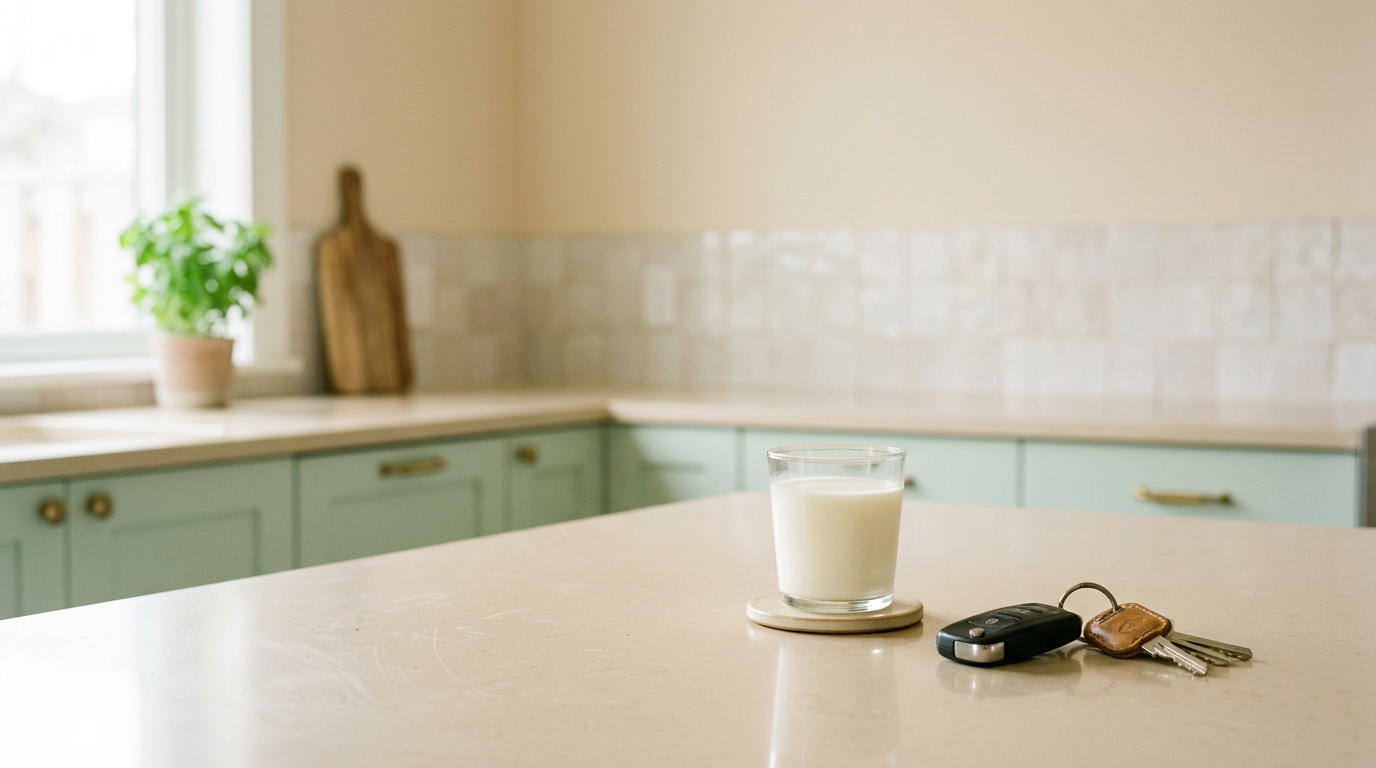
- If you cannot get it back in, put it in milk. Any ordinary cow's milk, cold, in a small cup or a sealed bag. If there is no milk, an adult or older child can hold the tooth inside the cheek, between the gum and the inside of the lip. If neither is possible, spit into a cup and cover the tooth in your own saliva. Never store it in plain water. Never let it sit dry on a napkin.
- Control the bleeding and the swelling. Bite firmly on gauze or a clean cloth over the socket for ten to fifteen minutes without lifting it to look. Hold a cold pack against the outside of the lip or cheek. Take an ordinary over the counter painkiller as directed on the packet.
- Get to a dentist within the hour. Phone ahead and say exactly this: "An adult tooth has been knocked out, I have the tooth, I am on my way." That sentence gets you seen. Out of hours, search for an emergency dental clinic or call the out of hours number on your own practice's voicemail.
The single biggest mistake people make is spending twenty minutes cleaning the tooth carefully and gently. Speed and moisture beat cleanliness here, every time.
If It Is a Baby Tooth, Do Not Put It Back
A knocked out baby tooth should never be reimplanted. Sitting directly above the root of every baby tooth is the developing permanent tooth, and pushing the baby tooth back into that space risks damaging the tooth that has to last a lifetime. The permanent tooth can come through discolored, malformed, or in the wrong position.
So for a young child: find the tooth, keep it, stop the bleeding with gentle pressure from a clean cloth, use a cold pack for comfort, and still see a dentist the same day. The visit is not to replace the tooth. It is to check that no root fragment has been left behind, that the neighboring teeth and the jaw are not fractured, and to talk about whether the gap needs anything doing. Front baby teeth lost early usually cause no long term problem, though back ones sometimes need a space maintainer, a small appliance that holds the gap open so the permanent tooth has room to arrive.
Not sure which kind of tooth it is? Baby teeth are smaller, whiter, and have short roots that often look partly dissolved. Front baby teeth are usually gone by around age seven or eight, and the rest by around twelve. If you genuinely cannot tell, do not reimplant. Put it in milk, get to a dentist quickly, and let them decide.
Why the First Hour Matters So Much
Wrapped around the root of every tooth is the periodontal ligament, a thin layer of living fibers that anchors the tooth into the bone and cushions it when you bite. When a tooth is knocked out, some of those cells stay attached to the root, and they are what allows the tooth to knit back into the socket.
They are fragile in two ways. They die quickly once the root dries out, which is why a tooth carried in a pocket is usually beyond saving. And they scrape off easily, which is why wiping the root does more harm than the dirt on it.
Keep them alive and the tooth can reattach and function for years. Let them die and the body tends to treat the root as foreign material, slowly replacing it with bone in a process that eventually loosens or dissolves the tooth. That is why the guidance is so blunt about milk and about the clock.
Where to Keep the Tooth: Best to Worst
| Storage option | What it does to the root cells | Verdict |
|---|---|---|
| Back in the socket | Correct temperature, moisture, and position. Nothing beats it | First choice whenever possible |
| A tooth preservation kit | A balanced salt solution made for exactly this, found in some sports first aid kits | Excellent if you have one |
| Cold cow's milk | Close enough to the cells' own fluid balance to keep them alive, and low in bacteria | The best everyday backup |
| Sterile saline | Keeps the root wet and is gentler than water | Fine for a short trip |
| Inside the cheek | Warm, wet, and always available. Not for young children, who may swallow it | Acceptable when nothing else is at hand |
| A cup of the person's own saliva | Keeps it wet, less protective than milk | Acceptable backup |
| Plain tap or bottled water | Wrong salt balance, so the cells swell and burst quickly | No |
| A dry tissue, napkin, or pocket | Dries the root within minutes | No |
| Ice or ice water directly on the tooth | Freezing damages the cells | No |
| Mouthwash, alcohol, or disinfectant | Kills the cells outright | No |
Milk is the answer to remember, because there is milk in most kitchens, most staff rooms, and most gas stations. Plant milks are not a substitute.
How to Put the Tooth Back In Yourself
If the person is calm enough and the tooth is intact, reimplanting on the spot is the best thing you can do. It is not delicate surgery.
Hold the crown between finger and thumb. Check the orientation against the tooth on the other side of the mouth, since the flat front surface faces out and the curved back surface faces the tongue. If the socket has filled with a clot, ask the person to rinse gently once with milk or saline. Then push the tooth in with steady pressure until it sits level with its neighbors, and have them bite gently on gauze to hold it there while you travel.
If it will not seat with reasonable pressure, stop. Forcing it can fracture the socket wall. Put it in milk and go.
What the Dentist Will Do
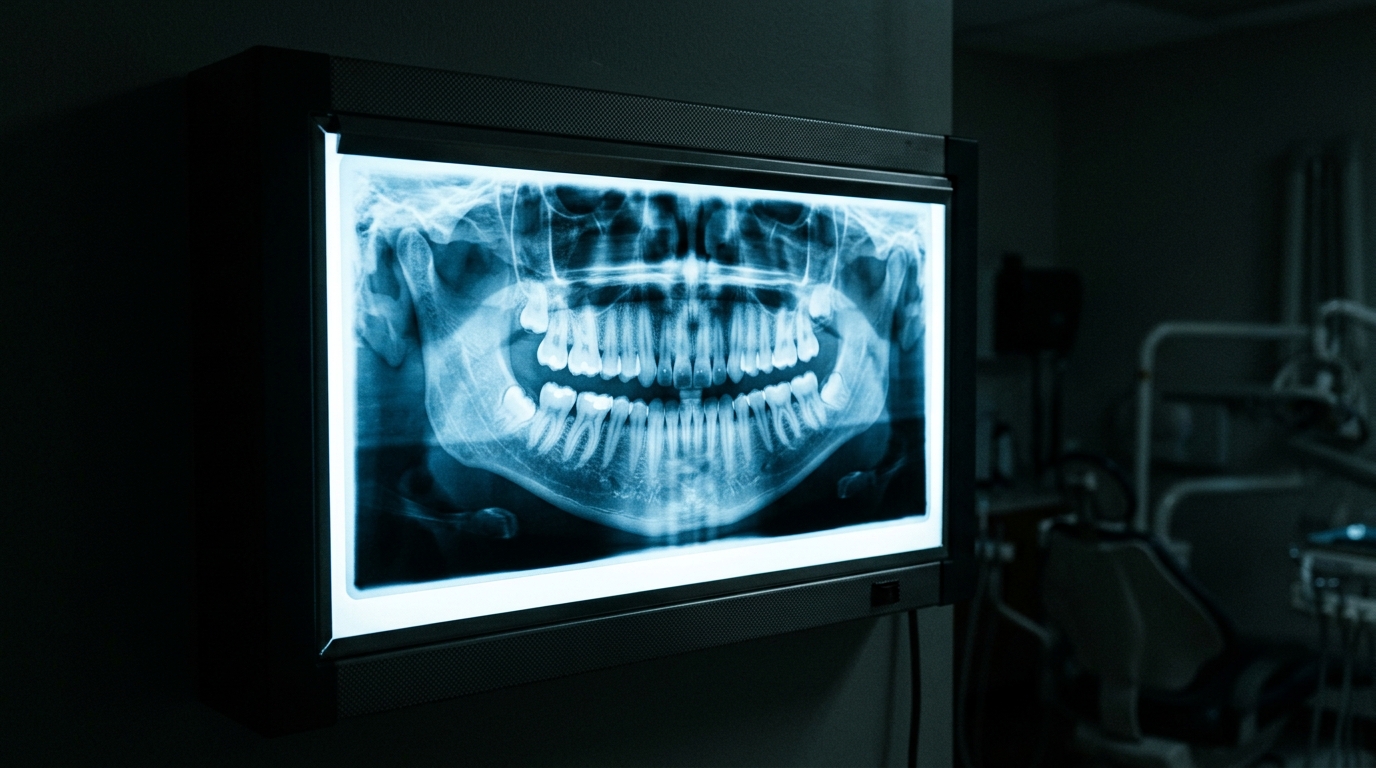
Expect an x-ray first, to check the socket, the root, and the bone around it. If the tooth is in, it gets repositioned precisely. If you brought it in milk, it gets reimplanted then.
The tooth is then held with a splint, a thin flexible wire or a strip of composite bonded across the front of the neighboring teeth, usually for a couple of weeks. Longer if the bone around the socket was fractured. You will likely be advised on a soft diet, an antiseptic mouth rinse, meticulous cleaning around the splint, and possibly antibiotics. If the injury happened somewhere dirty, expect to be asked when you last had a tetanus shot.
In a fully formed adult tooth, the nerve inside almost never survives being torn out, so a root canal is usually started within one to two weeks of reimplantation, before the dying pulp can cause the root to break down. In children whose roots are still forming, the blood supply can sometimes reestablish itself, so those teeth are often monitored instead. Either way, expect follow up checks over the following months and years rather than one visit and done.
Be prepared for an honest answer about odds. A reimplanted tooth is not guaranteed for life. Even so, keeping your own tooth for several more years preserves bone and gum shape, which makes whatever comes afterward easier.
If the Tooth Cannot Be Saved
Sometimes the tooth is shattered, lost at the scene, or dried out for too long. The gap can be filled with a dental implant, roughly $3,000 to $6,000 for the whole thing in most places, a fixed bridge at roughly $1,500 to $4,500, or a removable partial denture at roughly $500 to $2,000. Those are ranges rather than quotes, and your location, the materials, and how much bone is left all move them significantly. Our separate guides cover implant cost and the implant procedure in detail.
One thing worth knowing early: implants are not usually placed in teenagers, because the jaw is still growing and an implant does not move with it. A temporary replacement tooth on a retainer or a bonded bridge holds the space until growth finishes.
Preventing the Next One
Most knocked out adult teeth come from sport, bikes, and falls. A mouthguard is unglamorous and it works. A custom guard made from a mold of your teeth costs roughly $200 to $600 and is far more comfortable, and therefore far more likely to actually be worn, than a boil and bite guard at roughly $15 to $50. Again, ranges rather than quotes.
If you coach, run a club, or manage a school team, keep milk in the fridge and a tooth preservation kit in the first aid box, and make sure more than one person knows the rule about handling the crown.
Frequently Asked Questions
The tooth has been out for three hours. Is there any point?
Yes, take it in anyway. The chance of the ligament surviving falls sharply after the first hour of dry storage, but reimplantation can still be worthwhile to hold the space and the bone, particularly in a young person. That decision belongs to the dentist, not to a web page, so bring the tooth in milk and let them look.
Someone rinsed it under the tap and wrapped it in a tissue. Have they ruined it?
Not necessarily, and there is nothing to gain from saying so to them. Put it in milk now and get seen. Plenty of teeth arrive at the emergency chair having been handled imperfectly, and the dentist will still assess it properly.
Should I go to the emergency room or a dentist?
A dentist, unless there is a head injury, a suspected broken jaw, uncontrolled bleeding, or other significant trauma. Hospital emergency departments rarely have a dentist on site and usually cannot reimplant and splint a tooth. If you do need the hospital for the wider injury, take the tooth in milk and say you have it.
The tooth went back in but it has turned gray. Is it failing?
Gray or darkened color after trauma usually means the nerve inside has died, which is common and expected after an avulsion. It is a reason to have the root canal done rather than a sign the tooth is lost. Discoloration can often be improved afterward with internal whitening.
What to Do Next
If you are dealing with this right now: crown not root, no scrubbing, back in the socket or into milk, and a dentist within the hour. If the tooth broke rather than came out, that is a different situation with a different clock, and our guide on a cracked or chipped tooth covers it.
If you are reading this in advance, which is the better time to read it, do two things. Save an emergency dental number in your phone now, before you need it at nine on a Saturday night. And if anyone in your house plays a contact sport, book a custom mouthguard. The whole of this article becomes unnecessary if the tooth never leaves the socket.
This article is for general information only and is not a substitute for professional dental advice. Always consult your dentist about your individual needs.