Whitening Strips: Do They Work and Are They Safe
What whitening strips can and cannot do, how they compare with custom trays and in-office whitening, how to use them without sensitivity, and who should skip them.
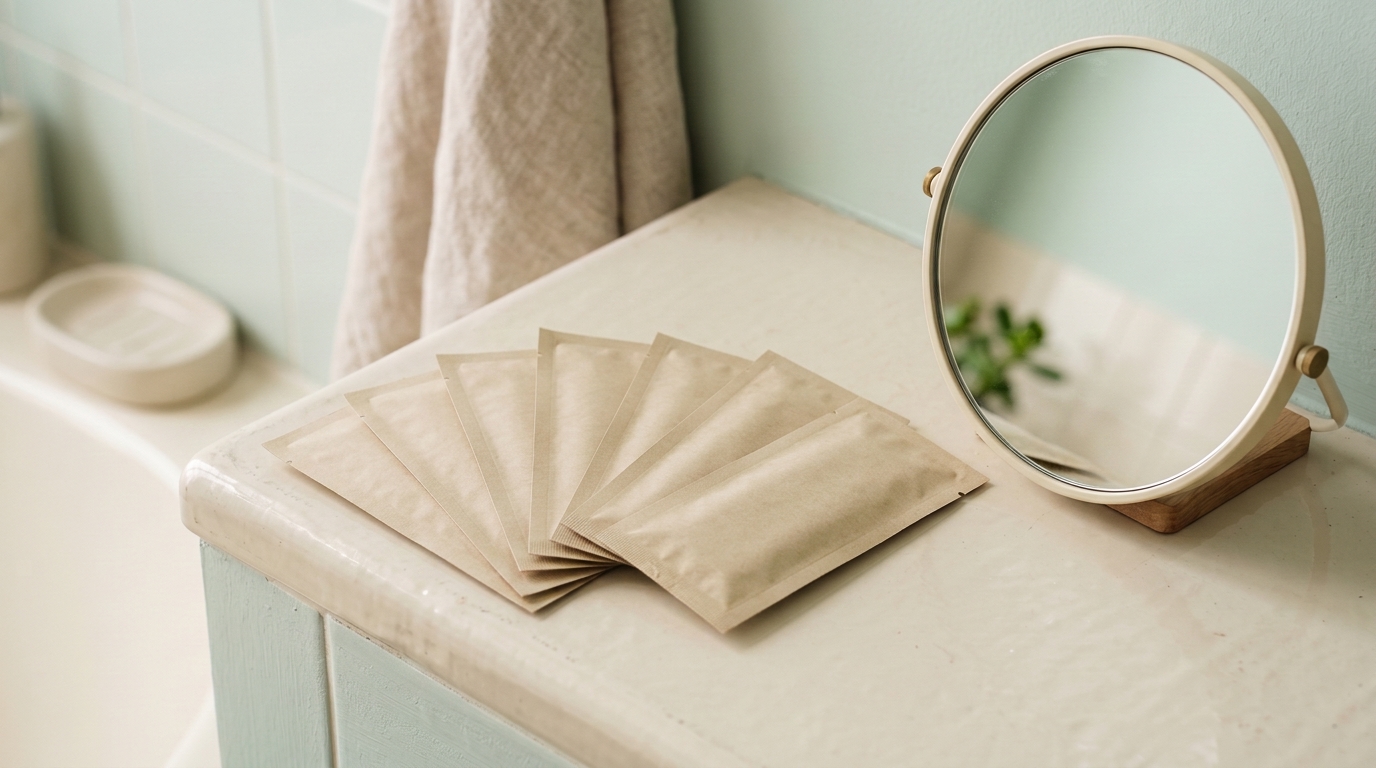
You are standing in the pharmacy aisle looking at a wall of whitening strip boxes, each promising a brighter smile in days. They cost far less than anything a dentist offers, and you want to know whether they are worth it or just expensive pieces of tape.
The short answer is yes, whitening strips do work for many people, as long as the active ingredient is right, your teeth are suited to bleaching, and your expectations are realistic. They are slower and less even than professional options, and they will not change crowns, fillings or veneers at all.
Here is how strips work, how they compare with other methods, and how to use them without ending up with sore, sensitive teeth.
How Whitening Strips Actually Work
Whitening strips are thin flexible plastic strips coated with a gel containing a peroxide, either hydrogen peroxide or carbamide peroxide, which breaks down into hydrogen peroxide in the mouth. Peroxide soaks into the enamel and the layer beneath it, called dentin, and breaks apart the colored molecules that cause staining.
This is real bleaching, not a surface polish. That is the key difference between strips and whitening toothpastes, which mostly remove surface stains by mild abrasion. It is also why strips can cause sensitivity: the peroxide reaches deeper into the tooth.
What Strips Can and Cannot Change
Strips work best on:
- Yellowish discoloration, the most common kind, often from age, coffee, tea or red wine.
- General dullness across the front teeth.
Strips work poorly or not at all on:
- Gray or brownish staining from inside the tooth, for example from certain antibiotics taken in childhood, or a tooth that darkened after an injury.
- White spots, which can look more obvious after whitening, at least at first.
- Crowns, veneers, bonding and tooth-colored fillings. These materials do not respond to peroxide. If you whiten the teeth around them, the dental work can end up looking darker by comparison.
- Teeth that are not reached by the strip. Strips usually cover the front six to eight teeth, and they struggle with crowded or overlapping teeth where the gel cannot sit evenly.
Our guide to why teeth turn yellow with age explains which kinds of discoloration respond best to bleaching.
Strips vs Trays vs In-Office Whitening
| Method | Typical US cost | How fast | Evenness | Main drawbacks |
|---|---|---|---|---|
| Store-bought kit, such as strips | $20 to $70 | Gradual, usually over a couple of weeks | Can be patchy on crowded teeth or near the gums | Lower strength, no professional check first |
| Custom trays from your dentist | $200 to $600 | Gradual, usually over one to two weeks | Even, because trays fit your exact teeth | Takes a dental visit to get the trays |
| In-office whitening | $400 to $1,000 | Noticeable change in one visit | Even, applied by a professional | Highest cost, sensitivity can be stronger short term |
These are price ranges, not quotes, and your location and the product or clinic you choose move them. For a quick estimate based on your own circumstances, try the dental cost calculator. For a deeper comparison of the professional routes, see at-home vs in-office whitening.
How to Use Strips for the Best Results
Most problems with strips come from using them wrong. A few habits make a large difference:
- Get a checkup first if you can. Bleaching over an untreated cavity, cracked tooth or exposed root can be very painful. A dentist can also tell you whether your type of staining is likely to respond.
- Brush gently beforehand, then wait. Brushing removes plaque so the gel can reach the enamel, but brushing hard right before can make gums more sensitive. Many people brush, wait a little while, then apply.
- Dry your teeth. A quick wipe with a tissue helps the strip stick and stay in place.
- Follow the time on the box exactly. Leaving strips on longer does not whiten faster. It increases sensitivity and gum irritation.
- Keep the gel off your gums. Press the strip onto the teeth and fold excess onto the back rather than leaving it pressed against the gum.
- Finish the full course. Results build gradually. Stopping after a few days leaves you with a modest change at best.
Managing Sensitivity
Temporary sensitivity is the most common side effect of any peroxide whitening. It usually feels like a short zing with cold drinks or air, and it fades within a day or two of stopping. To reduce it:
- Use a toothpaste for sensitive teeth for a couple of weeks before and during the course.
- Whiten every other day rather than every day.
- Choose a lower strength product.
- Stop for a few days if it becomes uncomfortable.
If sensitivity is severe, or one tooth hurts much more than the others, stop and see a dentist. That pattern can point to a crack or cavity. Our guide on whitening sensitivity causes and prevention goes into more detail.
Are Whitening Strips Safe?
Used as directed, peroxide whitening strips are generally considered safe for adults with healthy teeth and gums. The main risks are sensitivity and gum irritation, both of which are usually temporary.
Where people run into trouble:
- Overuse. Repeating courses back to back, or wearing strips longer than directed, can make teeth persistently sensitive.
- Products with unclear ingredients. Some cheap imports either contain very little active ingredient or use other chemicals entirely. Stick to well-known brands with clear labeling.
- Untreated dental problems. Cavities, cracks and gum recession let peroxide reach sensitive parts of the tooth.
Strips are usually not recommended for children and teens with still-developing teeth unless a dentist suggests otherwise, or during pregnancy and breastfeeding, simply because there is little research to reassure.
Who Should Skip Strips or Talk to a Dentist First
Strips are a reasonable first try for many adults, but a few situations call for a conversation before you open the box:
- You have visible dental work on your front teeth. Crowns, veneers, bonding and tooth-colored fillings will stay the same color while the teeth around them lighten. Plan the order of treatment first.
- Your teeth are already sensitive. Whitening tends to make sensitivity worse for a while. A dentist can check whether there is a cause, such as gum recession or worn enamel, and suggest a gentler approach.
- Your gums have receded. Exposed root surfaces do not whiten the way enamel does and can be very sensitive to peroxide.
- One tooth is much darker than the rest. A single dark tooth, especially after an injury, can mean the nerve inside has been damaged. That needs to be checked, and it usually needs a different kind of whitening done from inside the tooth.
- Your teeth are crowded or overlapping. Strips sit unevenly over crowded teeth, which can leave a patchy result. Custom trays usually do better.
- You want a large change quickly, for example before an event. Strips are gradual. In-office whitening or custom trays with stronger gel may suit better.
Getting the Most Out of the Result
The way you live with your teeth after whitening matters as much as the strips themselves. For the first day or two, teeth are slightly more porous and pick up stain more easily, so it helps to go easy on coffee, tea, red wine, curry and other strongly colored foods. Drinking through a straw and rinsing with water after dark drinks both help over the long term.
Keep realistic expectations too. Natural teeth have a range of shades, and the brightest possible result is not always the most natural looking. Many people are happiest with a change of a few shades rather than chasing the whitest tooth they can reach, which also keeps sensitivity in check.
How Long Do Results Last?
Bleached teeth slowly pick up color again. How quickly depends on what you eat and drink. Coffee, tea, red wine, cola and smoking all speed it up. Many people do a short top-up course every several months. Drinking dark beverages through a straw, rinsing with water afterward, and keeping up with professional cleanings all help the result last longer.
Strips are also a sensible way to find out how your teeth respond to whitening before spending more. If a store-bought kit gives you a result you like, you may never need anything else. If it barely changes the shade, that tells your dentist something useful about the type of staining you have.
Frequently Asked Questions
How long do whitening strips take to work? Many people notice a change within a few days, with the full result after completing the course on the box, usually around two weeks. Very stained teeth may need a second course after a break. Results vary with the type of staining.
Can whitening strips damage enamel? Used as directed, peroxide strips are not thought to cause meaningful enamel damage. Overuse can cause lasting sensitivity, so stick to the recommended timing and take breaks between courses.
Do whitening strips work on crowns or veneers? No. Crowns, veneers, bonding and tooth-colored fillings do not change color with peroxide. Whitening the surrounding natural teeth can make that dental work look darker, so plan any whitening before new dental work is made.
Why do my teeth have white spots after using strips? Whitening can make existing white spots look more noticeable for a short time because the enamel is temporarily dehydrated. They often blend in more after a few days. If they do not, ask your dentist about options.
Are whitening strips better than whitening toothpaste? For actual color change, yes. Most whitening toothpastes mainly remove surface stains, while strips contain peroxide that bleaches the tooth. Toothpaste can help maintain results afterward.
What to Do Next
If you have not had a checkup recently, book one before starting so any cavities or cracks are dealt with first, and ask whether your staining is the kind that bleaches well. Then choose a reputable strip product, follow the timing on the box exactly, and use a sensitivity toothpaste alongside it. If you have visible crowns or veneers on your front teeth, or you want a faster, more even result, ask your dentist about custom trays or in-office whitening instead.
This article is for general information only and is not a substitute for professional dental advice. Always consult your dentist about your individual needs.